Last updated November 22, 2026
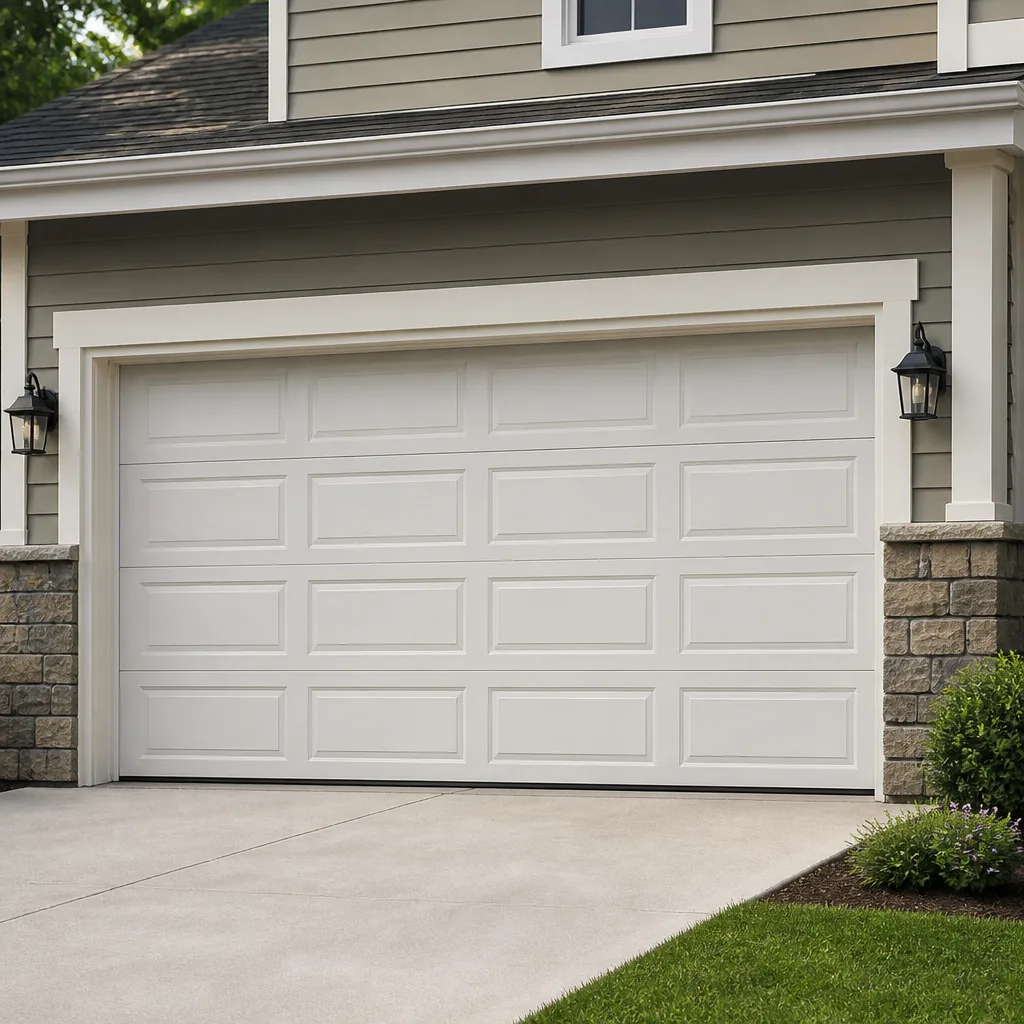 Raised-panel steel
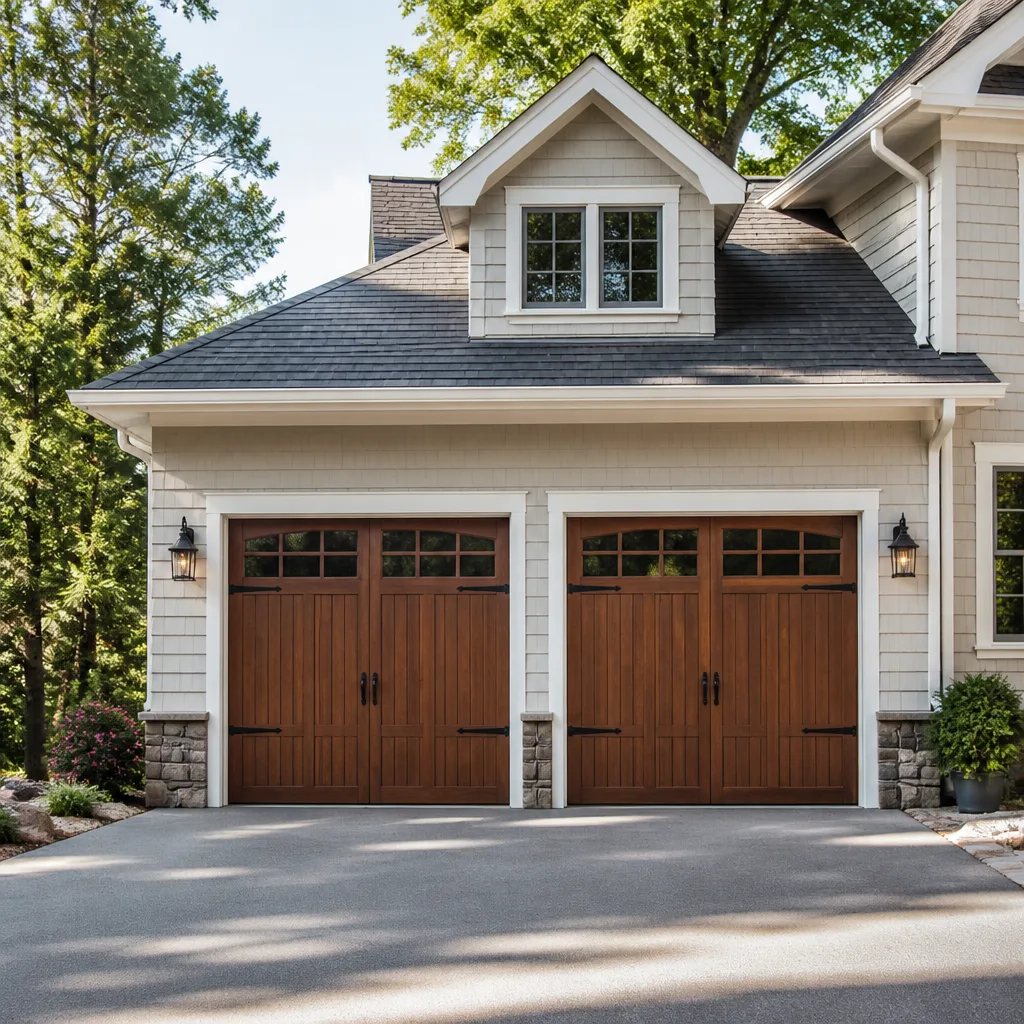 Carriage house
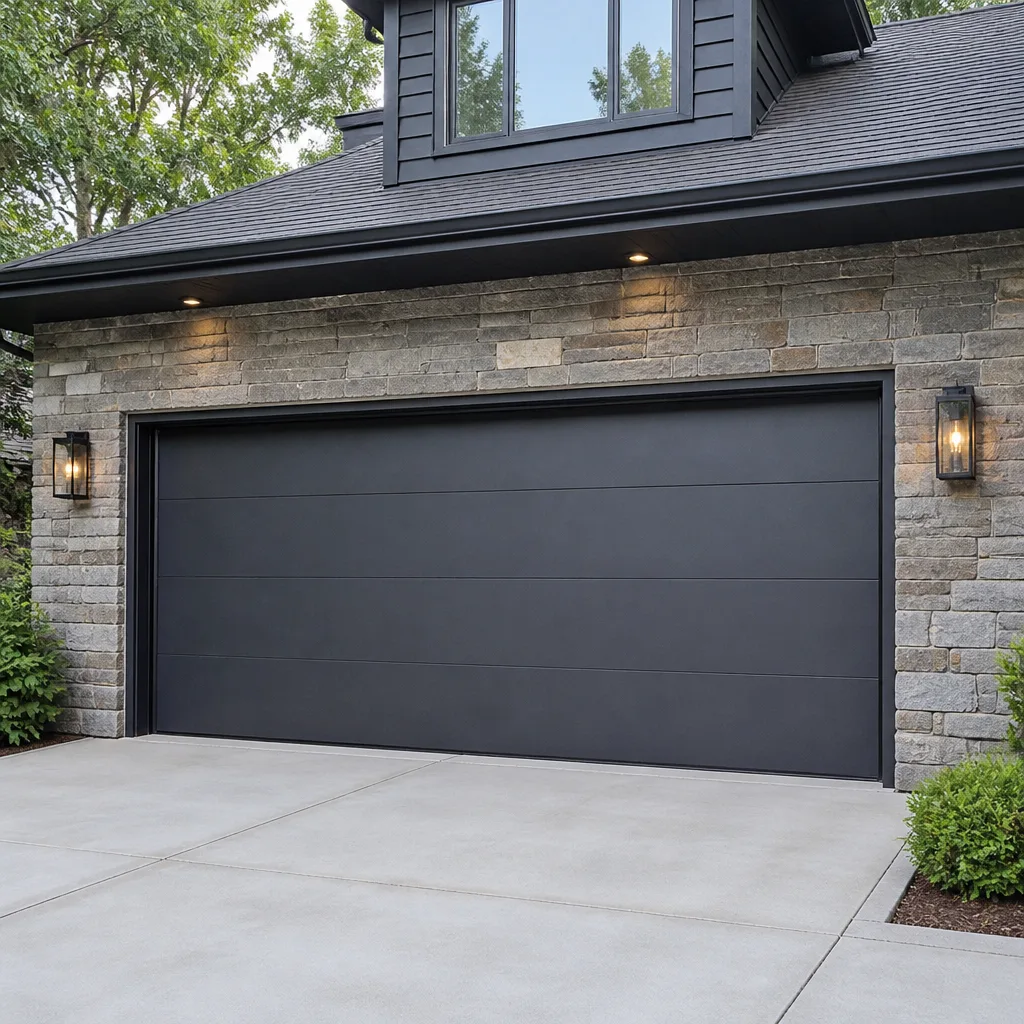 Modern flush
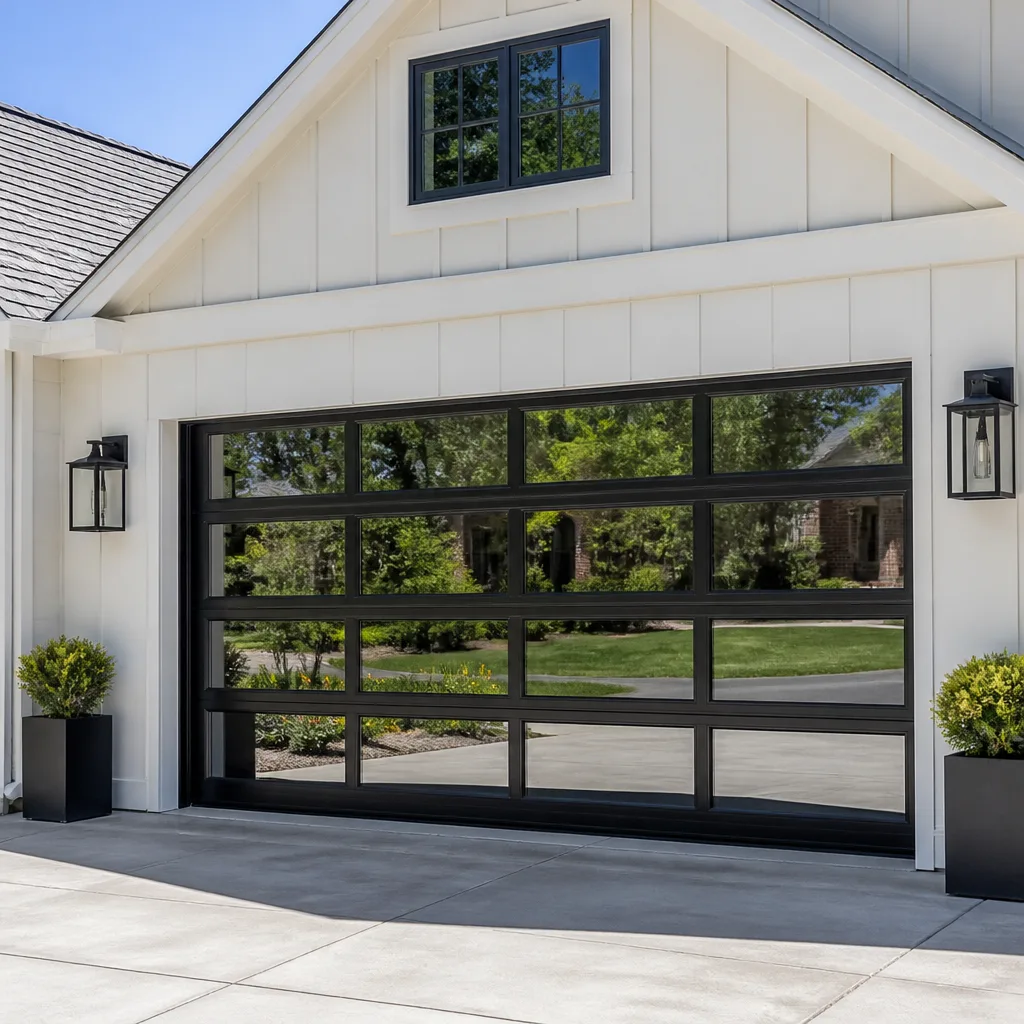 Full-view glass
 LiftMaster openers
 Chamberlain openers
Full 25-point door and opener safety check with every visit - springs, cables, rollers, tracks, and your LiftMaster or Chamberlain opener included
You get a price before we start. It does not change when the pro arrives.
Get your free estimateGarage Door Warning Signs: A Euclid Homeowner’s Reference Guide
That grinding noise your door makes on the way up isn’t the door “warming up” – it’s a roller on its last legs. Most garage doors don’t fail without warning. They telegraph the problem for weeks: a new squeal, a slight sag on one side, a door that takes a beat longer to open than it used to. In Euclid, where winter cold makes metal contract and stiffens every moving part, those small changes turn into a door that won’t budge at 7 AM while your car sits trapped inside. This guide walks you through the specific sounds, movements, and visual cues worth paying attention to, what each one points to, and which deserve a same-day call.
Quick Answer
The most reliable garage door warning signs are grinding or squealing that’s new, a door that moves unevenly or sags on one side, a visible droop in the cables, and an opener that responds slowly, reverses mid-travel, or runs without moving the door. In Euclid, treat popping sounds and a door that creeps open more slowly than it used to as spring-fatigue signals that need a professional look, not a wait-and-see. Any warning sign involving cables, springs, or a door stuck open is a same-day call.
Styles & brands we work with
- Raised-panel steel
- Carriage house
- Modern flush
- Full-view glass
- LiftMaster openers
- Chamberlain openers
Table of Contents
- Sound-to-Problem Diagnostics: What Grinding, Squealing, Popping, and Rattling Mean
- Visual Warning Signs Homeowners Overlook
- Opener Behavior Flags and What Each One Means
- The Slow Creep Problem: Why a Door That Opens Slower Is Signaling Spring Fatigue
- How Euclid Weather Accelerates Wear
- Which Signs Are Same-Day Calls vs. Same-Week Fixes
- A Seasonal Inspection Checklist
Sound-to-Problem Diagnostics: What Grinding, Squealing, Popping, and Rattling Mean
Every sound a garage door makes points to a specific component. The trick is knowing which. When a homeowner in Euclid calls and describes a noise, our technicians can usually narrow the fault to two or three candidates before we arrive, and that’s exactly how an experienced specialist thinks. Here’s how we decode the common ones.
Grinding. Grinding is almost always friction between metal parts that should be moving freely. The usual suspects are worn or seized rollers, a dry or failing bearing plate, or a torsion shaft rubbing where it shouldn’t. A grinding door during our cold Euclid months is especially telling: bearings that are already on the edge get sluggish when the temperature drops, and the noise goes from occasional to constant.
Squealing. A high-pitched squeal typically means metal-to-metal contact without lubrication – hinges, rollers, or the torsion shaft. Sometimes it’s a snapped torsion spring that’s still under residual tension. If the squeal is new and paired with a door that moves unevenly, treat it as a mechanical problem, not a maintenance nuisance.
Popping. A loud pop or bang, followed by the door suddenly becoming very easy to lift or refusing to open at all, is the classic signature of a broken torsion spring. This is the single most important sound to act on. Popping is not something to check yourself; high-tension springs are dangerous and a trained technician should handle the repair.
Rattling. Rattling usually points to loose hinges, a worn opener chain, or a track that’s come slightly out of alignment. It’s less urgent than a pop but signals fastening hardware that’s loosening and will eventually cause a door to bind.
Visual Warning Signs Homeowners Overlook
Not every warning is audible. Some of the most consequential garage door problems in Euclid are things you can see if you know where to look. A slow, regular visual check – once a season is enough – catches most of them long before they become a breakdown.
Here’s what to check and what each sign means:
- Cable droop. A cable that hangs slack or loose, or that has visibly slipped off a drum, means the cable has lost tension. This is a hazardous condition – the door can drop suddenly – and warrants a same-day call.
- Uneven gap at the floor. If one side of the door meets the floor and the other side leaves a visible gap, the door isn’t level. That’s a sign of a stretched or fatigued spring on one side, a bent track, or a warped panel. It also lets in cold Euclid air and small pests.
- One side sagging. A door that visibly droops on one edge when it’s fully closed has an unbalanced lifting system. This usually points to extension springs that have stretched unevenly or a torsion spring that’s weakening on one side of a matched set.
- Bent or misaligned track. Look along the track with the door closed. Any kink, dent, or section that’s pulled away from the wall causes binding and should be straightened or replaced.
- Worn or split hinges and rollers. Plastic rollers crack, metal rollers flatten, and hinges bend at the pivot. These are inexpensive parts that cause expensive problems if ignored.
- Rust on the springs or hardware. Early rust is normal; heavy corrosion on springs and bearings means they’re nearing failure.
The two visual signs that almost always mean “don’t run the door” are a dangling cable and a visibly sagging panel.
Opener Behavior Flags and What Each One Means
An opener is a motor and a logic board, and when it misbehaves, the “why” is often unrelated to the motor itself. In our experience working on LiftMaster, Chamberlain, Genie, and legacy Craftsman units, the same behaviors mean different things, and homeowners should know the difference before they assume the opener is dead. Our garage door opener repair calls start with exactly this kind of diagnosis.
Slow response. If the remote or wall button takes seconds to register, the issue is usually a weak battery, a signal problem, a worn capacitor, or a logic board that’s beginning to fail. It’s rarely the motor itself.
Reversing mid-cycle. A door that goes up and then comes right back down, or reverses before closing, is a safety feature doing its job. The opener’s force limit or safety sensors are tripping. This is often a misaligned sensor, dirt on the lens, a misadjusted force setting, or a bound door putting strain on the lift. It’s worth a call because a reversing door can be a symptom of a wider problem, not just a sensor glitch.
Motor runs but the door doesn’t move. When you hear the motor spinning but the door stays put, the drive has failed – a stripped gear, a snapped belt, or a broken chain. On many older units, that’s a specific gear that wears out with age. It’s a fixable repair in most cases; those openers don’t always need replacing.
Door moves a few inches then stops. Usually a force-limit or travel-limit issue, or a door that’s binding and needs more power than the opener’s setting allows. If the door moves easily by hand, suspect the opener. If it’s stiff, suspect the door – often the springs are the real culprit.
Modern smart openers – LiftMaster myQ, Chamberlain, Genie Aladdin Connect – add app connectivity and Wi-Fi modules to the picture. When those act up, it’s often a firmware or network issue rather than a mechanical failure. Our technicians work on all of those systems and legacy models alike.
The Slow Creep Problem: Why a Door That Opens Slower Is Signaling Spring Fatigue
This is the warning sign most Euclid homeowners dismiss, and it’s often the most reliable predictor of a coming failure. A torsion spring does the heavy lifting on a garage door; the opener just guides it. As the spring ages and the cycle count builds up, it loses lifting power. The door still opens, but it takes slightly more effort, and that shows up as a slower, “heavier” climb. Many homeowners only notice after the door stops opening a few weeks later.
Why it matters: the “slow creep” is a progressive problem. A door that opens 20% slower than it used to has springs that are deforming. Every cycle adds strain, and once a spring fails, the door is dead in the up or closed position until it’s repaired. That’s the difference between a scheduled spring replacement and an emergency call, and it’s why we recommend a spring check any time you notice a change in speed.
There’s an easy reason to look at the springs before assuming the opener. Springs are a visual and force signature problem; openters are a motor signature problem. If the door moves smoothly but slowly, and it takes a lot of force to lift by hand, the springs are the diagnosis. Our garage door spring repair work – torsion and extension alike – is one of the most technically demanding jobs we do. These are high-tension parts; a trained technician can replace a matched pair safely and to spec.
Two things worth remembering. First, springs are replaced as a matched pair in most cases, so if one is failing, budget for both. Second, spring work is not a DIY job. The tension stored in a torsion spring can cause serious injury, and we recommend leaving it to a professional every time.
How Euclid Weather Accelerates Wear
Euclid winters are tough on garage doors and the hardware they run on. The combination of sub-freezing temperatures, freeze-thaw cycling, and lake-effect moisture means metal parts contract, lubricants thicken, and the door’s seals take a beating. That’s why the same warning signs in Euclid should be treated with a shorter fuse than in a mild climate.
A few local realities:
- Cold thickens lubricant. A door that’s quiet in summer can grind in January because grease that was fine in warm weather is now too stiff to protect the bearings. A seasonal lube – specifically a cold-rated garage door lubricant – helps.
- Freeze-thaw shifts the concrete floor. An uneven gap at the floor in winter is often the concrete heaving, not a door problem, but it can also mean the bottom seal or the door’s level has changed. Check it each fall and again in spring.
- Ice buildup binds the door. A frozen bottom seal or iced track can make the opener work harder, which trips force limits and hides the true condition of the springs. If the door won’t close on a cold morning, check for ice before calling.
- Springs endure more cycles in cold weather. Cold makes steel more brittle. A worn spring is more likely to snap on a cold morning than a mild one, which is one reason January is our busiest month for spring repairs.
If you’re noticing grinding or squealing that’s worse in winter, it’s not your imagination – it’s the season doing what it does to mechanical parts. A fast response keeps a $200 repair from becoming a door replacement.
Which Signs Are Same-Day Calls vs. Same-Week Fixes
Not every warning needs a same-day response, and panicking over a squeak is as unhelpful as ignoring a popping spring. Here’s how we triage garage door issues in Euclid, from “call now” to “schedule this week.”
Call today (same-day):
- A loud pop or bang followed by the door not opening, or opening with almost no resistance – broken spring.
- A visibly slack or off-track cable.
- The door is stuck open, leaving your home unsecured.
- Your car is trapped inside and you need to get out.
- One side of the door is sagging markedly or the panel is buckling.
Schedule within a week:
- Grinding or squealing that’s new or getting worse.
- A door that moves slowly or feels heavy when you lift it by hand.
- An opener that runs but won’t move the door.
- A door reversing mid-cycle (if the sensors are clean and clear, still get it looked at).
- Uneven gap at the floor or a bent track that’s causing binding.
Routine maintenance:
- Occasional rattle from loose hinges.
- Light surface rust on springs or hardware.
- Seasonal lubrication and a once-a-year visual inspection.
The line between the first two tiers is danger. Anything involving cables, springs under tension, or an unsecured opening is a same-day call. Everything else benefits from a prompt appointment but can wait a few days if the door still operates safely.
A Seasonal Inspection Checklist
A 15-minute check at the change of seasons catches most of the warning signs in this guide before they cost you. Here’s what to walk through, in order, on a closed door first and then open.
- Look at the springs. With the door closed, check for rust, gaps in the coiled steel, or a spring that’s visibly bent. Do not touch or adjust them – just observe.
- Check the cables. Look for slack, fraying, or cable that’s off the drum. A loose cable means stop and call.
- Scan the track. Run your eye along both tracks for dents, kinks, or sections that have pulled away from the frame.
- Inspect the rollers and hinges. Check for cracks, flattening, or bent hinge pivots.
- Open and close the door. Listen for new sounds and watch for uneven movement or a gap at the floor.
- Test the safety reverse. Place a small object in the door’s path and confirm the door reverses when it contacts it. If it doesn’t, the opener needs attention.
- Lubricate. Apply a garage-door-specific lubricant to rollers, hinges, and the torsion shaft per the manufacturer’s recommendation.
If any step turns up a problem you can’t safely evaluate, that’s what we’re here for – our team can walk you through what a garage door repair call looks like and how the written estimate sets the final price. For a full rundown of our local services, see Garage Door Repair Euclid.
Common Mistakes to Avoid
- Assuming a new sound is “just the door warming up.” A new grind or squeal is a component telling you it’s worn. The first cold snap in Euclid is exactly when that worn part fails.
- Trying to fix springs or cables yourself. High-tension springs and cables store enough force to cause serious injury. A trained technician handles them to spec; a homeowner should never attempt it.
- Ignoring the slow creep. A door that’s gotten slower or heavier over a few weeks is signaling spring fatigue. Waiting for the door to stop opening turns a scheduled repair into an emergency call.
- Replacing an opener when the door is the problem. If the door binds or feels heavy, the springs are often the culprit, not the motor. Diagnose before you replace.
- Skipping the seasonal lube. Euclid winters are brutal on bearings; a cold-rated lubricant keeps parts moving and extends the life of rollers and hinges.
- Calling a generalist for a brand-specific repair. A LiftMaster or Genie system has its own quirks, and a handyman guessing at a repair often causes a second problem. Work with a specialist who knows the brand.
- Clearing the snow from the door but not from the tracks. Ice and packed snow in the track bind the door, strain the opener, and hide spring problems. Clear both, and check the bottom seal for freeze damage.
See the difference
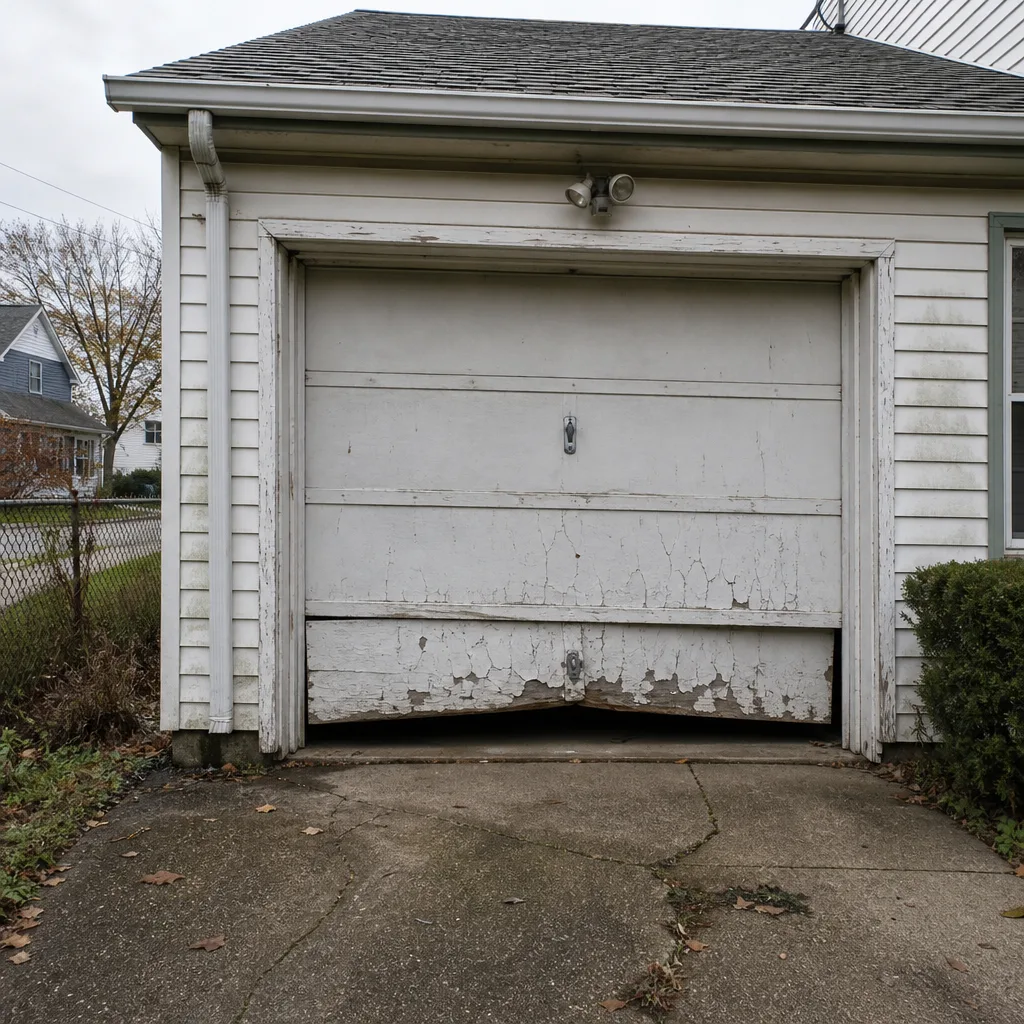 Before
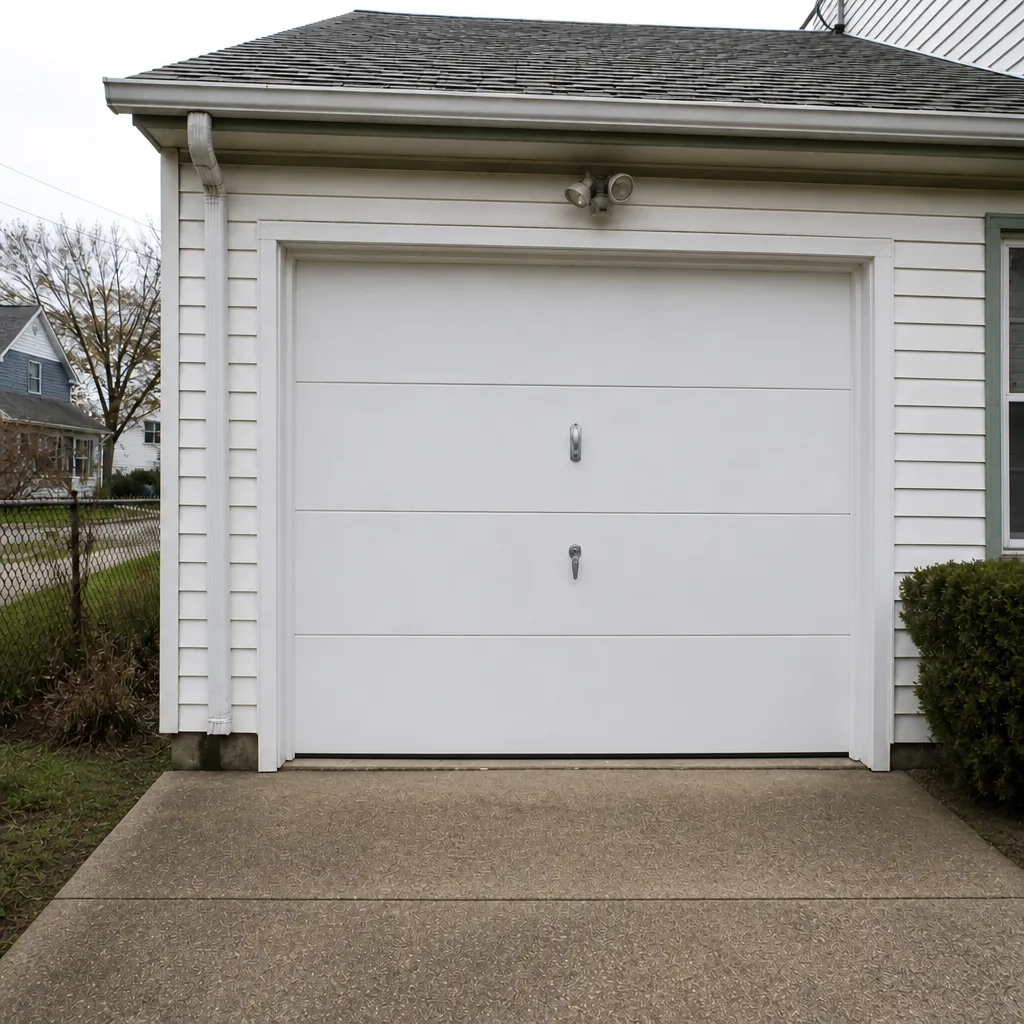 After
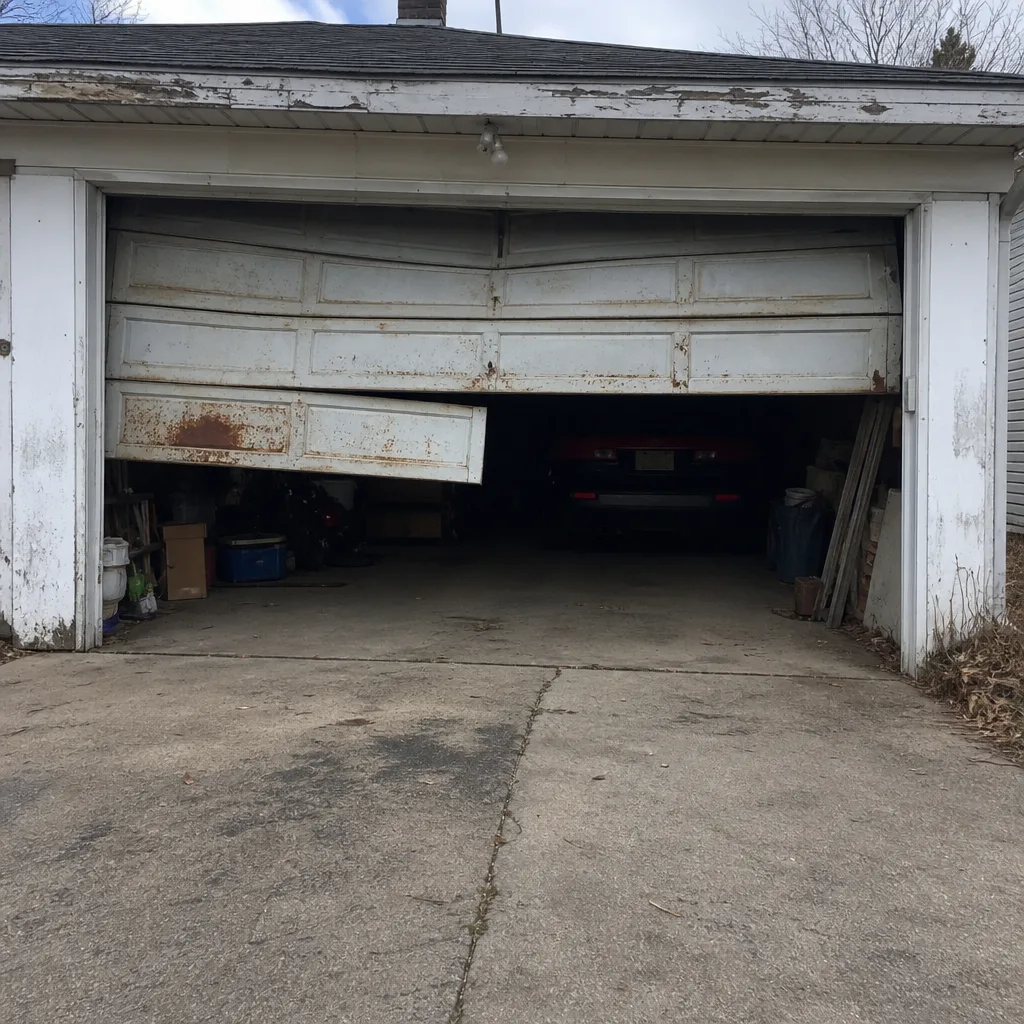 Before
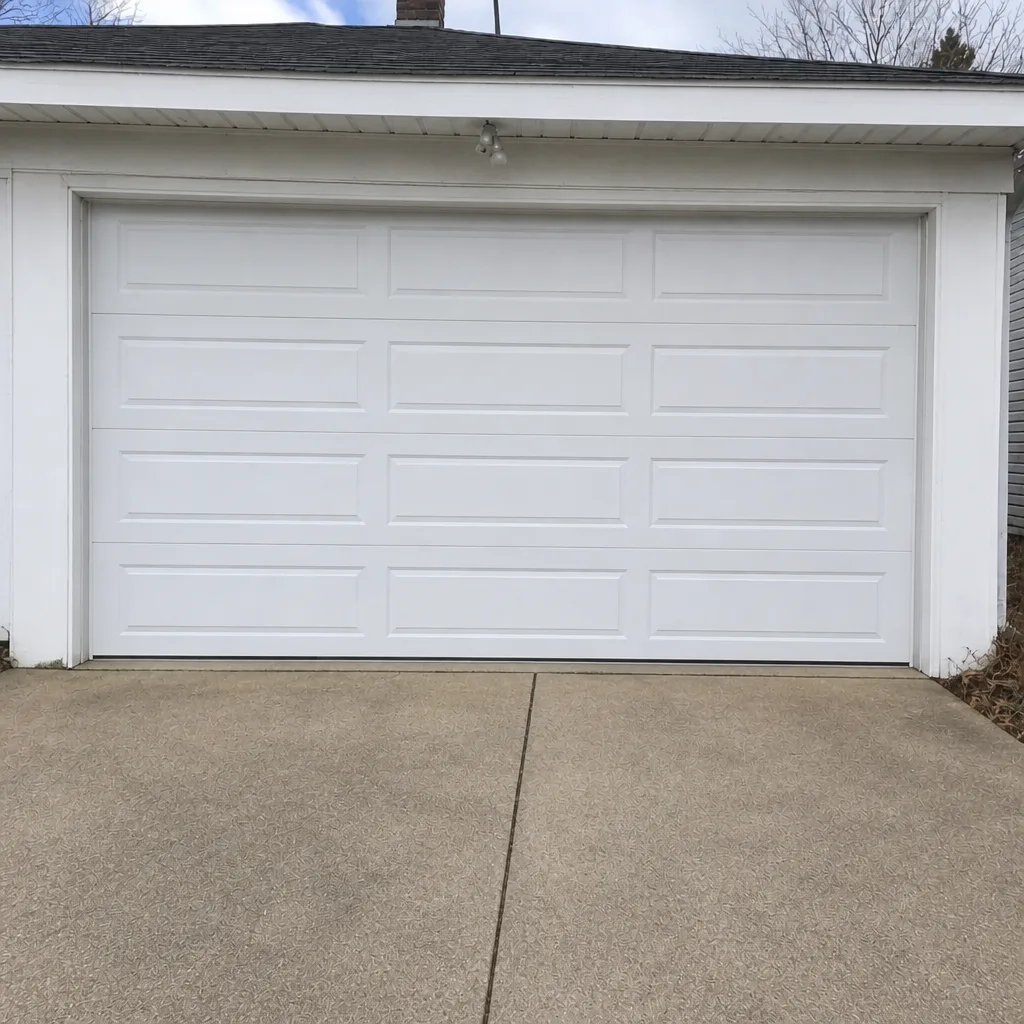 After
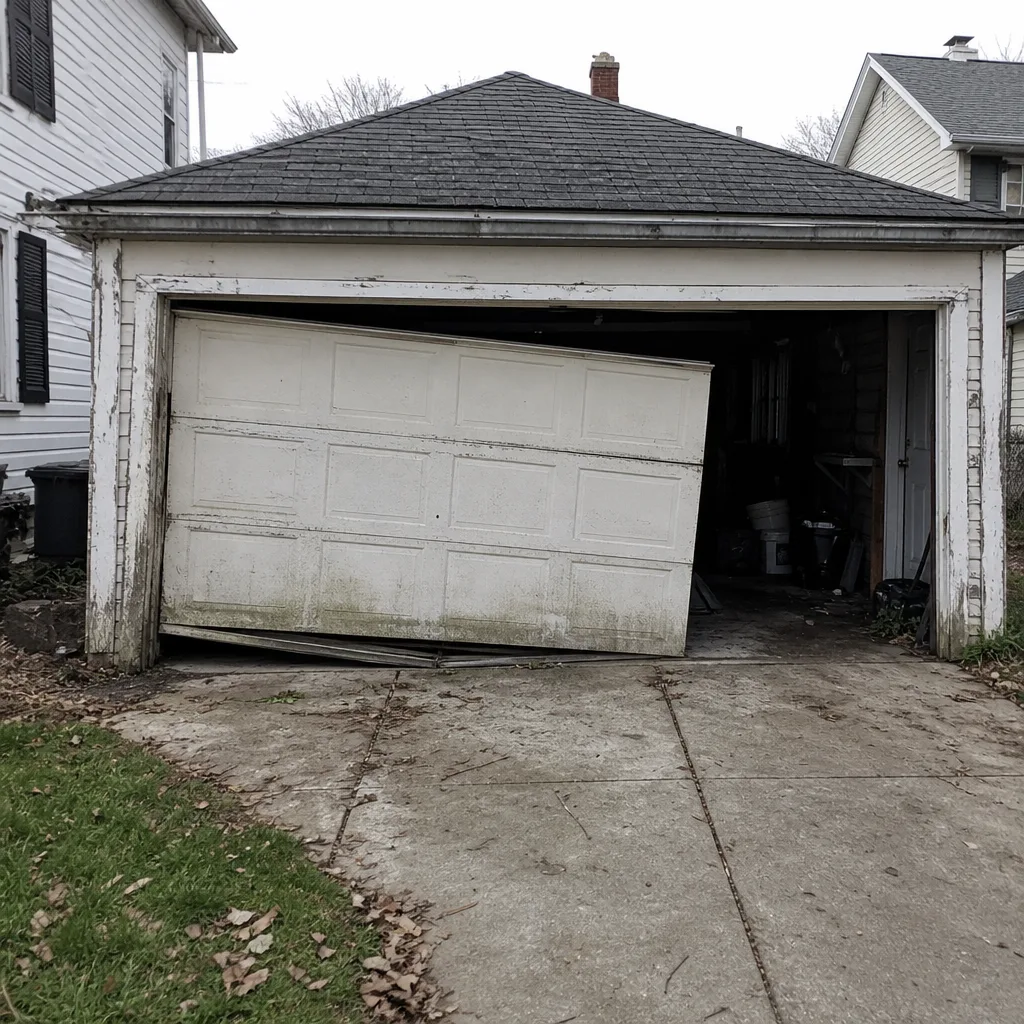 Before
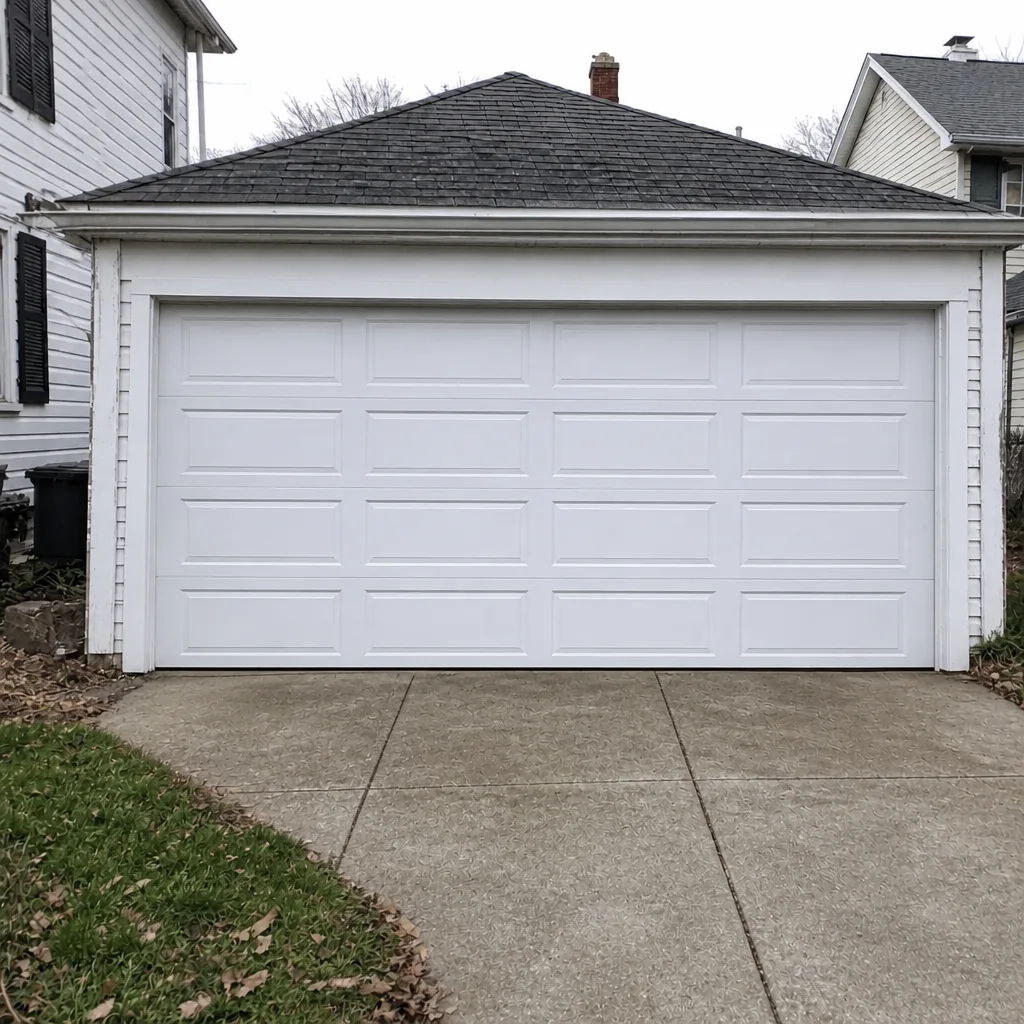 After
When to Call a Professional
Call a professional any time you hear a pop or bang, any time a cable hangs slack or a panel sags, and any time the door is stuck open and your home is unsecured. Those are same-day situations in Euclid, and fast, safe service matters. Get a professional involved when the door moves unevenly, when the opener runs without moving the door, when the door reverses mid-cycle, or when the slow creep has set in – those are same-week fixes, and a fast appointment keeps them small. Springs and cables always warrant a trained technician. We work on Clopay, Amarr, Wayne Dalton, LiftMaster, Genie, and the other major brands, and our technicians have up to 14 years of experience. Garage Door Repair Euclid offers free estimates in Euclid – call (833) 726-1387.
Frequently Asked Questions
A loud pop or bang followed by the door not opening, or opening with almost no resistance, points to a broken torsion spring and is a same-day call. A slack or off-track cable is equally serious and also deserves a same-day response. Call (833) 726-1387 for an exact quote – estimates are free.
Typical spring repair runs in a range that depends on whether you need one spring or a matched pair – matched sets are usually replaced together and cost roughly twice a single spring. The written estimate, given before any work begins, sets the final price. Call (833) 726-1387 for an exact quote – estimates are free.
Yes – a door that won’t open, whether it’s trapping your car or leaving your home unsecured, is exactly what our emergency service is for. We offer same-day service for time-sensitive failures, and we can give you an estimate before any work starts. Call (833) 726-1387 for an exact quote – estimates are free.
No. We quote the price and you agree to it before any work begins, and the written estimate is your price. If the actual scope turns out different from what we discussed, we come back to you before proceeding. Call (833) 726-1387 for an exact quote – estimates are free.
The local professionals we connect you with are licensed and insured as their state requires. We stand behind the quality of the work, and our technicians have up to 14 years of experience. Call (833) 726-1387 for an exact quote – estimates are free.
Yes – cold weather thickens lubricant and stiffens bearings, so a grind that appears in January is often a worn part that would otherwise stay quiet. Grinding is the first sign of a roller or bearing on its way out. If it’s new or getting worse, schedule a repair within the week. Call (833) 726-1387 for an exact quote – estimates are free.
Do a simple check: disconnect the opener (following the manufacturer’s instructions) and try lifting the door by hand. If it feels extremely heavy or won’t lift, the springs are the problem. If it lifts easily but the opener won’t run, the opener is the problem. When in doubt, call a professional. Call (833) 726-1387 for an exact quote – estimates are free.
The Bottom Line
Garage door failures are almost never sudden; they announce themselves in sounds, movement, and visible wear for weeks before something breaks. The key warning signs for Euclid homeowners are new grinding or squealing, popping that signals a broken spring, a cable or panel that’s visibly out of place, an opener that reverses or runs without moving the door, and the slow creep of a door that’s getting heavier or slower. Triage them: springs, cables, and a door stuck open are same-day calls; grinding, slow movement, and reversing are same-week fixes. Our technicians have up to 14 years of experience with the major brands. Keep an eye on the small things and they won’t become big ones.
Need a hand? Call (833) 726-1387 for a free estimate from Garage Door Repair Euclid. We’ll walk you through what you’re hearing and seeing, give you a written price before any work starts, and get your door closing safely again.
Written by the team at Garage Door Repair Euclid.