Last updated November 22, 2026
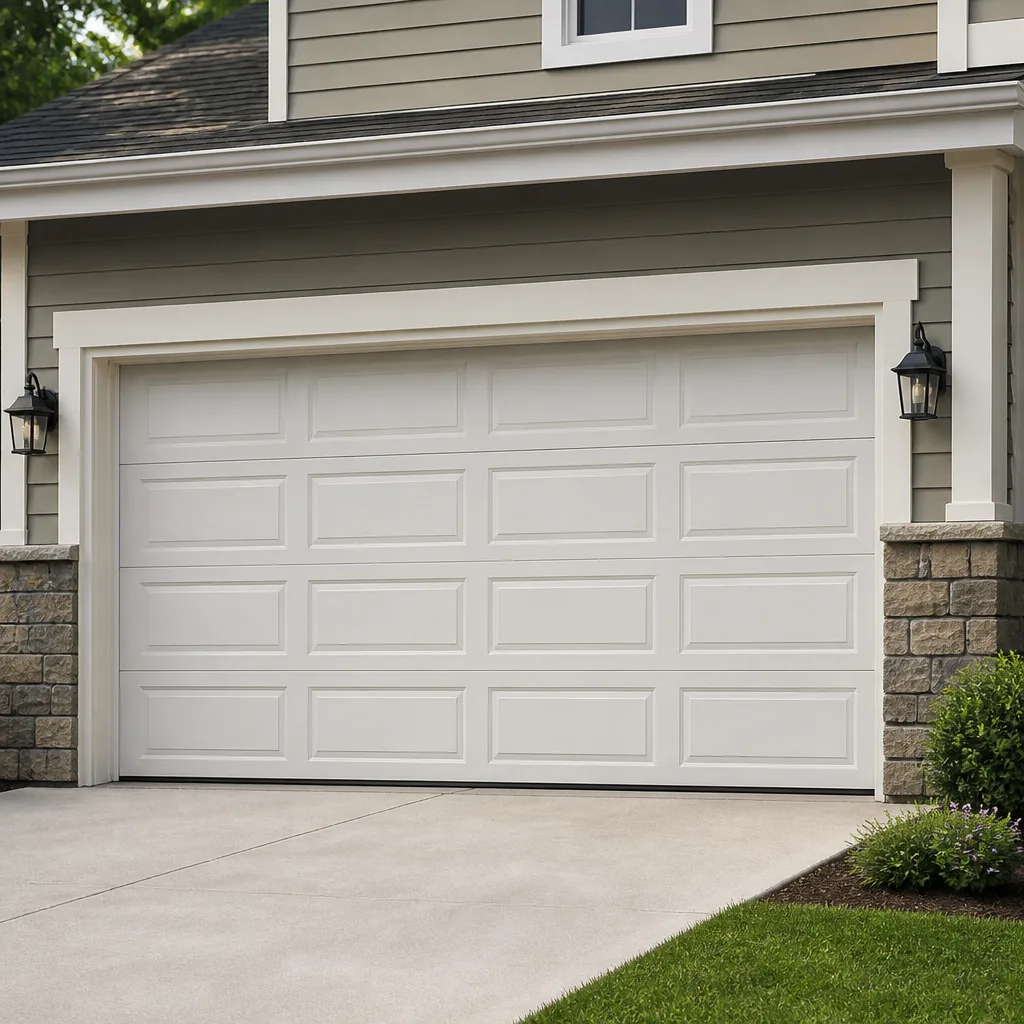 Raised-panel steel
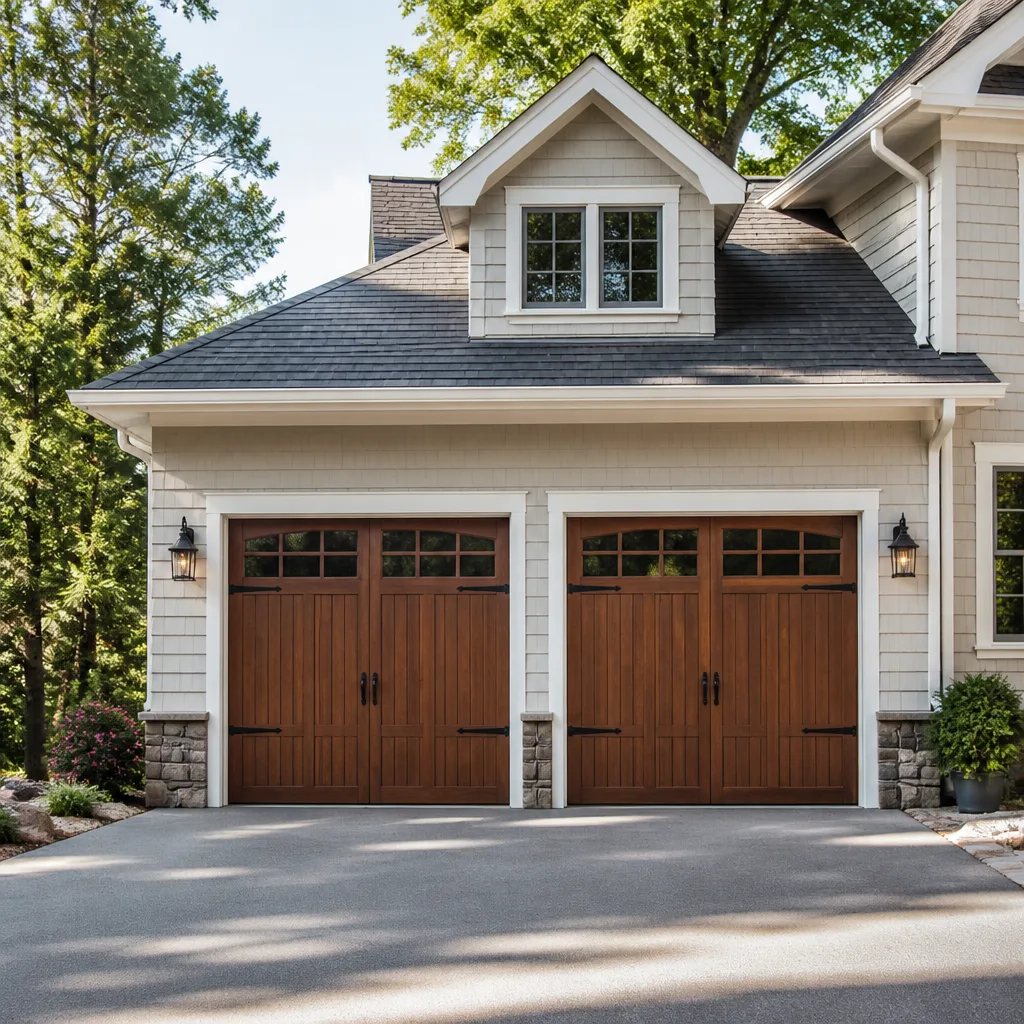 Carriage house
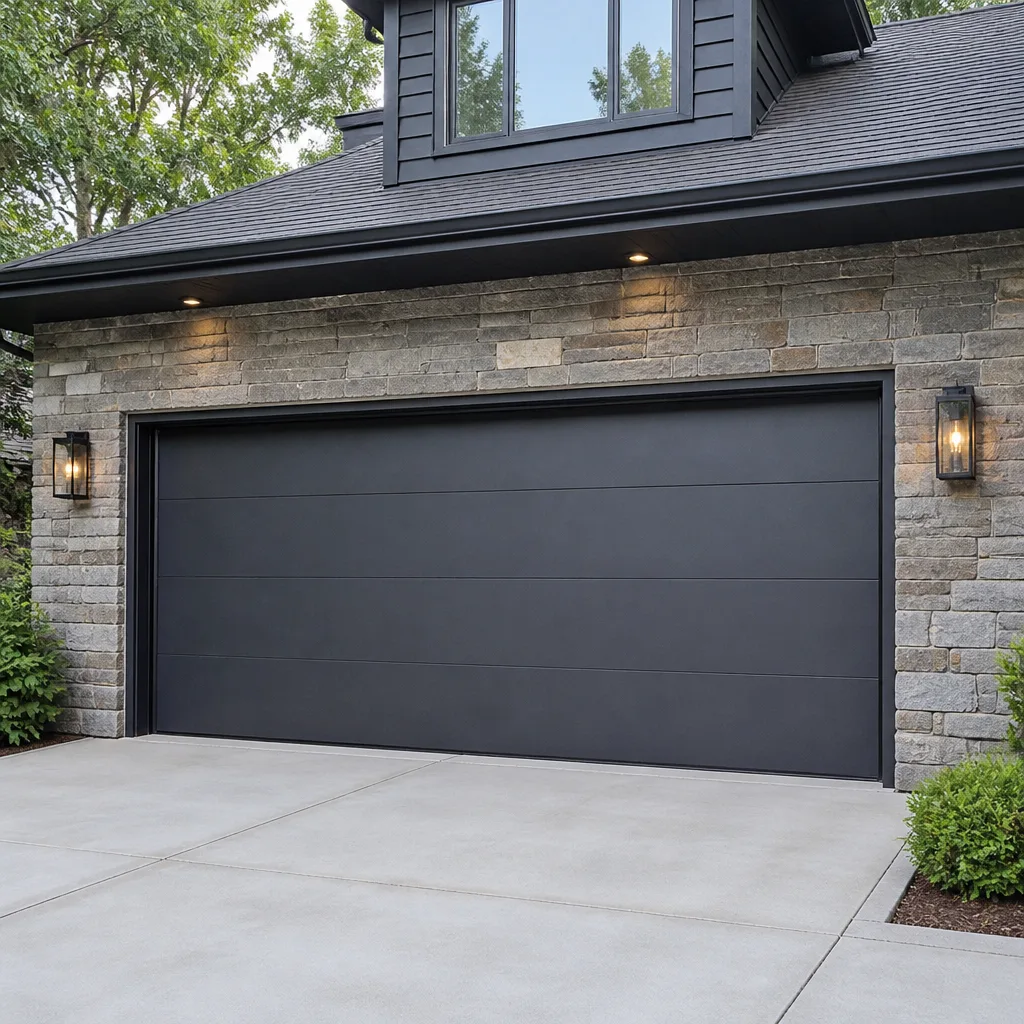 Modern flush
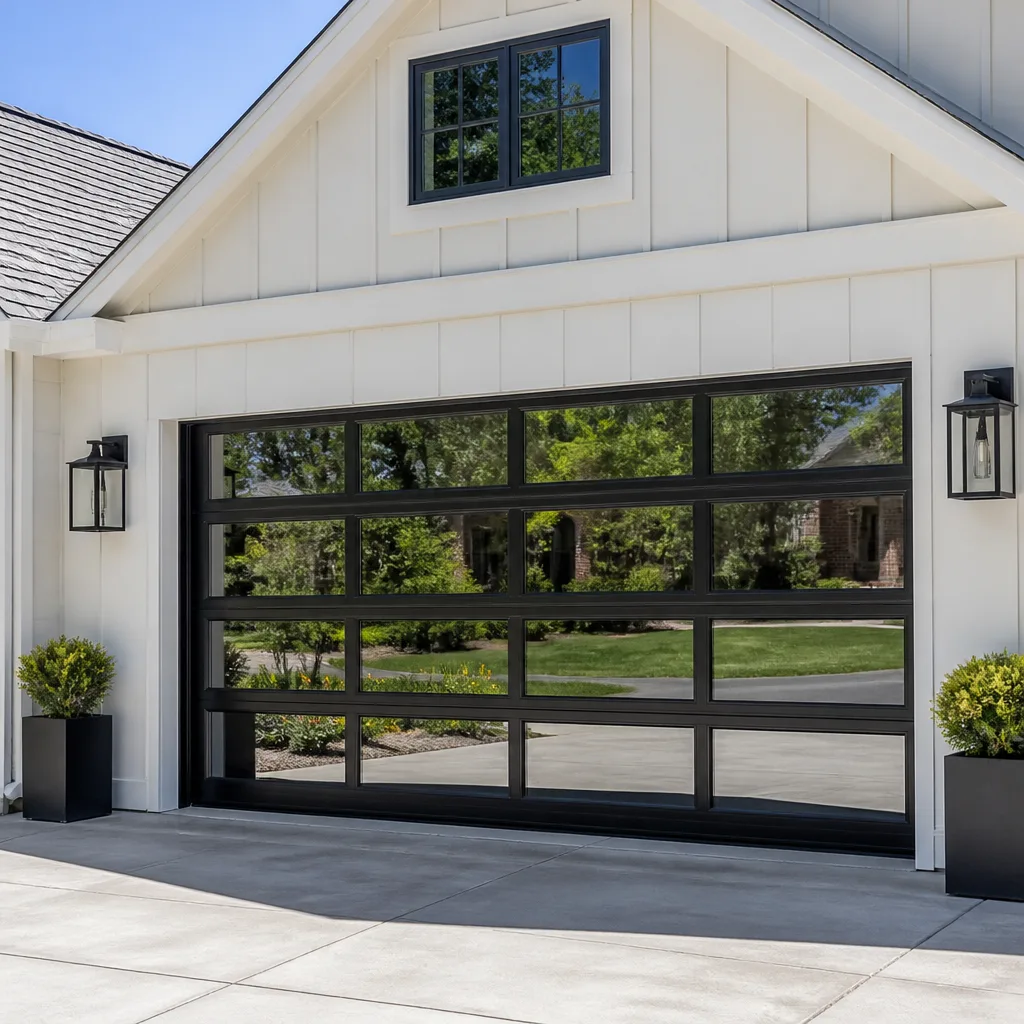 Full-view glass
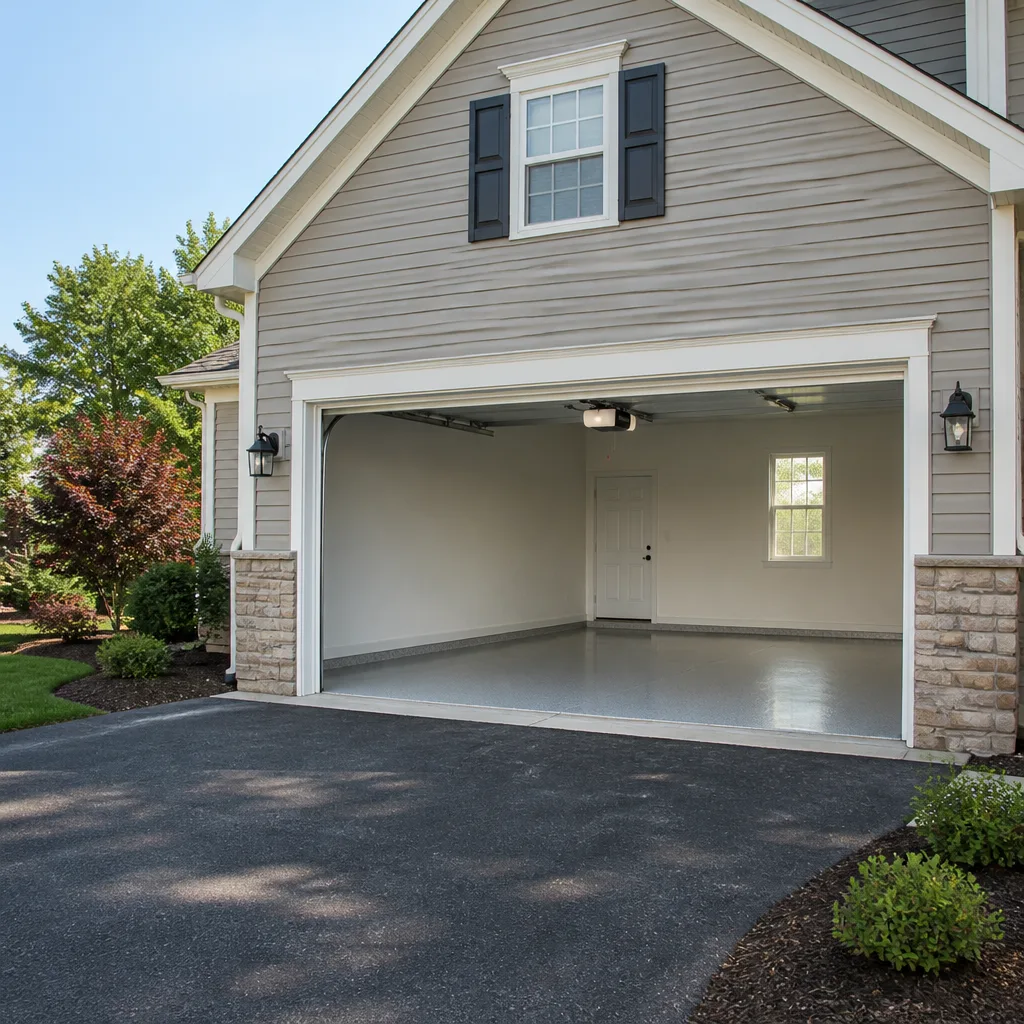 LiftMaster openers
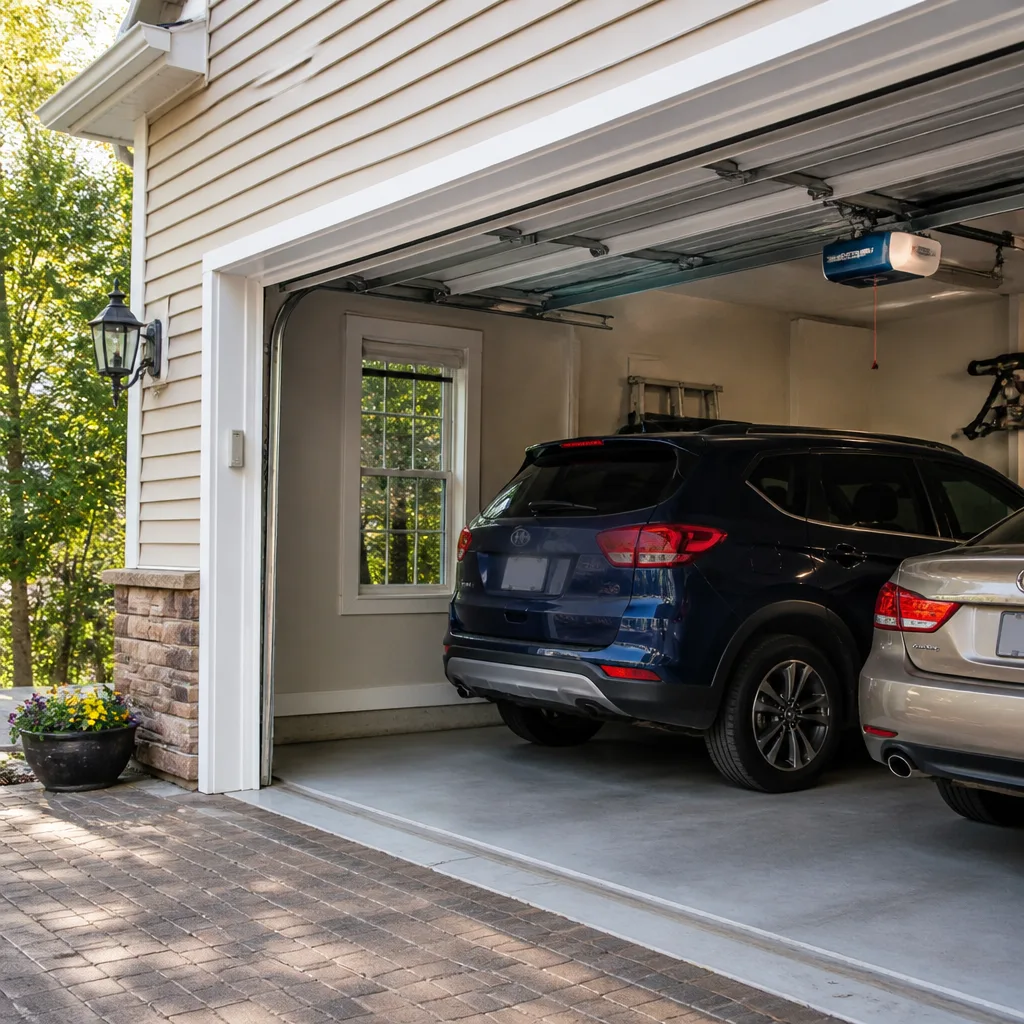 Chamberlain openers
Full 25-point door and opener safety check with every visit - springs, cables, rollers, tracks, and your LiftMaster or Chamberlain opener included
You get a price before we start. It does not change when the pro arrives.
Get your free estimateThe Complete Guide to Garage Doors in Euclid
Most garage doors we’re asked to look at in Euclid aren’t failing because someone bought a bad door. They’re failing because a door fitted for a suburban lot built in 1940 was never asked to carry the opener loads, insulation, and weather sealing that a Euclid homeowner now wants. That gap between original hardware and modern expectations is where nearly every repair call starts. This guide walks the full life of a door in this city: how post-war housing stock changes sizing and spring selection, which materials stand up to Lake Erie humidity and freeze-thaw cycles, how to decide between repair and replacement at different door ages, which brands local technicians actually keep parts for, and why bundling opener, spring, cable, and track work under one provider usually beats splitting the job. By the end you’ll know what to check before you call and what to ask when you do.
Quick Answer
Garage door work in Euclid usually comes down to age and configuration: doors from the 1940 – 1970 housing stock often need custom headroom and spring sizing checks before any repair, and repair is almost always the right call until the door reaches roughly 15 to 20 years or the panels are structurally compromised. Materials matter here – steel and aluminum hold up best against Lake Erie humidity and freeze-thaw cycling, while wood composite needs more upkeep. Typical repairs run from around $150 to $450 depending on the part, and full replacements are quoted per door after a measure.
Styles & brands we work with
- Raised-panel steel
- Carriage house
- Modern flush
- Full-view glass
- LiftMaster openers
- Chamberlain openers
Table of Contents
- How Euclid’s Post-War Housing Stock Shapes Every Door
- Which Materials Hold Up in Euclid’s Climate
- Repair or Replace: A Decision Tree for Euclid Doors
- Brand Availability and Parts Coverage Around Euclid
- What “Full-Service” Actually Means
- What Garage Door Work Costs in Euclid
- Keeping a Door Alive Through Ohio Winters
- Safety: The Parts You Shouldn’t Touch
How Euclid’s Post-War Housing Stock Shapes Every Door
Euclid grew fast in the decades after World War II, and most of its detached housing dates from 1940 to 1970. That single fact changes the diagnosis on almost every job. Doors built in that window were sized for a standard single-car opening, but the ceiling heights, header depths, and framing vary far more than they do in a subdivision built in the 1990s or later. Walk into a 1950s Euclid garage and you may find a low headroom setup with a rear torsion spring where modern suburban homes would have a standard lift with high headroom. That’s a different spring, a different mount, and a different repair procedure.
Here’s what that means when you call for emergency garage door service or regular repair:
- Door sizing: Openings aren’t always the nominal 8-foot or 9-foot width. Panels can be undersized from factory wear or older custom cuts, so a straight replacement panel may need trimming or a custom build.
- Headroom clearance: Low-headroom garages need low-headroom spring kits and specific track radius. Order a standard kit and it won’t fit.
- Spring sizing: Springs are matched to door weight and balance, not door width. Old Euclid doors often run heavier than modern insulated replacements, so the spring size has to be recalculated whenever a door is swapped.
- Framing and header depth: Additions and garage conversions from that era frequently have altered framing behind the door tracks, which changes how a new door anchors.
We measure before we quote, always. A written price for a Euclid garage door means someone looked at the actual opening, the ceiling, and the springs, not a rough number read off the internet. Our Garage Door Repair Euclid team does that measure before any work starts.
Which Materials Hold Up in Euclid’s Climate
A garage door in Euclid faces two things that eat hardware quietly. First, the humidity off Lake Erie across the warmer months – doors that sit on a north-facing garage with poor ventilation see condensation on the inside of steel every morning for weeks. Second, freeze-thaw cycling through winter, which works rollers, hinges, and weatherstripping harder than a steady cold snap would. Neither of those destroys a door overnight, but they decide which material survives fifteen years versus twenty-five.
Steel
The default, and usually the right answer. Modern insulated steel doors handle humidity well as long as the paint and seal are intact, and they’re easy to replace panels on. Watch for rust at the bottom edge and near the hinges – that’s the weak spot in a Euclid garage that doesn’t ventilate well.
Aluminum
Lighter and rust-resistant, good for single-car doors and low-headroom setups. Aluminum dents more easily than steel and can be less forgiving on a door that’s frequently bumped, but it won’t rot and it holds paint well.
Wood composite
Good-looking and stable through moisture swings, and it holds its shape better than solid wood in a Euclid garage that sees wide humidity variation. It still needs periodic finishing to stay sealed, and it costs more upfront than steel.
Wood
Solid wood looks right on some older Euclid homes but demands the most upkeep here. Without a sealed finish, humidity swings cause the panels to swell and the seals to pull. If you go wood, plan on refinishing more often than a newer build would need.
Whichever you pick, the material matters less than the finish and the sealing. A steel door with weatherstripping in good shape outlasts a wood door with cracked seals any day.
Repair or Replace: A Decision Tree for Euclid Doors
The right call depends on age, structural condition, and what’s actually failed. Most Euclid doors under 15 years old with a functional panel structure get repaired. Doors past 20 years, or ones where panels have rusted through or the framing has shifted, usually justify replacement once you add up the cost of multiple repairs.
Walk the decision in this order:
- Is the failure mechanical? A broken spring, a snapped cable, a failed hinge, or an opener that won’t respond – all of these are repair jobs, not replacement jobs. A door that’s physically sound gets a part, not a whole new door.
- Is the door structurally compromised? Rusted-through panels, separations at the seams, sagging in the middle, or a door that no longer sits level with the frame means the panel set is the problem, and that’s a replacement decision.
- How many systems have failed at once? If a door over 15 years old has a broken spring, a worn track, and an opener that’s struggling, the sum of parts and labor can approach the value of a new measured door. We quote both so you can compare.
- Is the opener the original from the build era? A Craftsman unit from the 1990s that still works is fine; the same unit with a stripped gear and no safety sensors is a liability. Opener replacement is often the cheapest way to extend an otherwise healthy door.
- Has the door ever been re-sprung? Springs wear out, and if a Euclid door is still on its original spring from a build decades ago, plan on a spring replacement even if everything else is fine.
For a pure mechanical failure, garage door repair is the straightforward answer. When the panel structure is gone, a measured replacement is the honest recommendation.
Brand Availability and Parts Coverage Around Euclid
Brand matters more than most homeowners expect, because the right part is the part that fits. We work on eight of the brands most commonly installed in Euclid garages: LiftMaster, Chamberlain, Genie, Clopay, Amarr, Wayne Dalton, Craftsman, and Raynor. That’s not a marketing list. It’s a practical one – these are what’s actually in your garage, what the local supply chain can source, and what our technicians know their way around without guesswork.
What that looks like in practice:
- Wayne Dalton doors show up on a lot of Euclid homes from the 1980s and 1990s, and the panel-lock systems and torsion setups are specific to that line.
- Craftsman openers are the most common legacy units we’re called out to, including the older chain-drive models where the gear kit is the usual failure point.
- Raynor commercial-grade doors are common on multi-unit and older commercial garages in the city, and they need the right commercial spring size.
- LiftMaster is the most common modern replacement opener, including the myQ smart lines – and those need a different diagnostic approach than a mechanical unit, because the problem can be the Wi-Fi connection, the safety sensor, or the belt, and it’s rarely all three.
When your opener is a smart-home system, diagnosing the right part matters more than swapping a whole unit. We handle garage door opener repair across these brands, including the older mechanical units that other shops turn away from.
Availability is the other half. A generic parts supplier may not carry the spring size or panel profile for a door from the 1950s, but the brands above all have parts networks that can source them. That’s why knowing which brand you have before you call saves everyone a trip.
What “Full-Service” Actually Means
A “full-service” garage door company has to mean one thing: the same provider can diagnose and fix the opener, the spring, the cables, the tracks, and the door itself without handing you off. Most repair calls touch more than one system, and the split between specialists is where customers lose time and money. A spring repair that ignores a worn track will fail again. A new opener installed on a worn door will strain the motor. An installation without a spring sizing check will be unbalanced from day one.
Here’s what the bundled approach actually looks like when it’s done right:
- Diagnose the whole door: opener, springs, cables, tracks, rollers, hinges, weatherstripping, and the door’s balance.
- Quote the systems that are actually failing, not just the visible symptom: a grinding opener that’s actually a seized roller gets the roller fixed, not the opener replaced.
- Quote the price in writing before any work starts. Every item, every part, the labor, and the total.
- Fix everything at once so you’re not calling a second company for the opener next week, or the cable the month after.
That’s the workflow we run on every Euclid job. One provider, one measure, one quote, one return visit if anything’s off. Where a specialist split would mean three calls and three diagnostics fees, the bundled approach is usually both faster and less expensive overall. If you want the shorter version of the same workflow, our garage door spring repair page walks it step by step.
What Garage Door Work Costs in Euclid
Euclid sits in a Cleveland-area market where labor and parts costs run a bit below the national average, and where older housing stock often means a custom sizing step. That last part is the piece most online price guides miss. A door from a 1955 Euclid garage may need a custom-sized panel or a re-sprung torsion bar, and both add cost. The table below gives typical ranges we see for the standard jobs; the written estimate you get after the measure is the actual price.
- Torsion spring replacement (one spring): typically $180 – $340
- Matched pair of torsion springs: typically about twice the single-spring range, since pairs are replaced together
- Extension spring replacement (one): typically $150 – $280
- Snapped cable replacement: typically $150 – $300
- Opener repair (belt, gear, sensor, or board): typically $150 – $400 depending on the part and brand
- Full opener replacement, standard unit: typically $350 – $650 installed
- Roller and hinge tune-up (full set): typically $150 – $250
- Full door replacement: quoted per door after measure, based on size, material, and insulation
Spring sizing and door weight determine the actual spring number, so the range moves once the door is measured. A single-car aluminum door takes a lighter spring than a double-car insulated steel door, and the spring cost follows the weight. For a full replacement, the quote depends on the panel profile, the material, the insulation level, and the frame condition – too many variables for a phone number. Call (833) 726-1387 and we’ll schedule a free measure and a written price. The written estimate is the price; there’s no moving number once the work starts.
Keeping a Door Alive Through Ohio Winters
The freeze-thaw cycle is the real enemy, not the cold. Water gets into weatherstripping and hinges, freezes, expands, and pushes the seal out a little further each winter. The doors that last longest in Euclid aren’t the most expensive ones – they’re the ones whose owners do a few small things every fall.
A basic autumn checklist:
- Test the balance. Pull the release handle and lift the door manually to waist height. If it stays put, the springs are doing their job. If it drops or rises on its own, the spring sizing is off and a professional should check it.
- Lubricate the moving parts. Rollers, hinges, and the torsion bar bearings need a proper garage door lubricant, not WD-40. A single application before the first cold snap saves a lot of noise and wear.
- Check the weatherstripping at the bottom edge. Any crack or gap lets water in that then freezes. Replace it before it fails.
- Listen to the opener. Grinding, straining, or a door that stutters at the start is a bearing or roller issue, and it’s cheaper to fix in October than in a January cold snap.
- Clear the tracks. A rag and a dry brush clean out grit that builds up faster in Euclid garages that see a lot of winter de-icing product tracked in.
None of that replaces a professional tune-up, but it does mean the tune-up is a small job every few years rather than an emergency call in the middle of winter.
Safety: The Parts You Shouldn’t Touch
Three parts of a garage door system are genuinely dangerous: the torsion and extension springs, the cables, and the electrical work at the opener and panel. Springs are under high tension and can cause serious injury if they release unexpectedly. Cables are under a similar load. The electrical side carries a shock risk, and a miswired opener with a bypassed safety sensor is a hazard for anyone in the path of the door.
What you can safely do yourself: test the balance, lubricate, replace the bottom weatherstripping, and clean the tracks. What you shouldn’t do yourself: adjust or replace springs, replace cables, or work on the wiring at the opener. If you’re not sure which part is failing, don’t guess. Call us and we’ll diagnose it without you putting your hands near the tensioned hardware.
One more: never disable the safety sensors or the auto-reverse function to get a door working. Those are there because a door that closes on a child or a pet is a genuine risk, and it’s the kind of problem that a professional fix solves in minutes.
Common Mistakes to Avoid
- Buying an off-the-shelf spring kit. Two doors that look identical can take different springs, and the wrong size either wears out fast or leaves the door unbalanced. Measure the actual door weight and get a matched spring, not a size that “looks right.”
- Replacing the opener when the door is the problem. A straining opener on a poorly balanced door burns out the gear. Diagnose the door first; replacing the opener alone usually buys you one working season before the new unit fails the same way.
- Ignoring a worn track. Euclid garages that shift slightly with the freeze-thaw cycle develop bent tracks faster than you’d expect. A door that tracks slightly off-center will chew through rollers and hinges until the track is straightened or replaced.
- Ordering a standard door without measuring headroom. A door from the 1940 – 1970 housing stock may be low-headroom or non-standard sized. Ordering a standard kit and trying to fit it is the most common source of extra labor cost on a Euclid installation.
- Skipping a full-system quote. A “spring fix” priced alone may ignore the worn cable or the struggling opener. Ask for the full-system quote and the itemized price, not a single line.
- Trying to lubricate or adjust a torsion spring yourself. Springs are the single most dangerous part of the door. A well-meaning homeowner with a wrench and a torsion bar has caused serious injuries more often than any other garage door DIY attempt.
- Waiting until the door is stuck to call. A door that’s gotten progressively harder to open is on a check engine light – it’s telling you something’s failing. Get it checked before it fails completely and traps a car.
See the difference
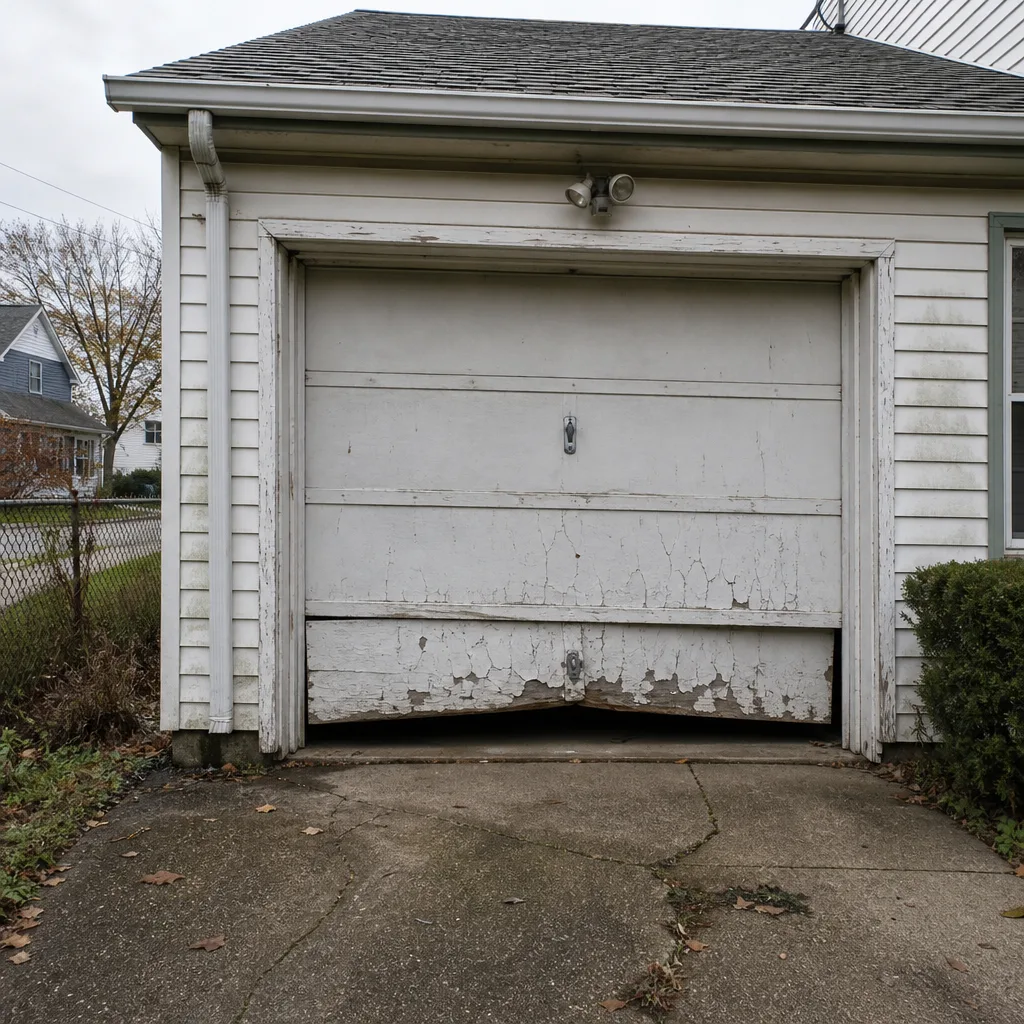 Before
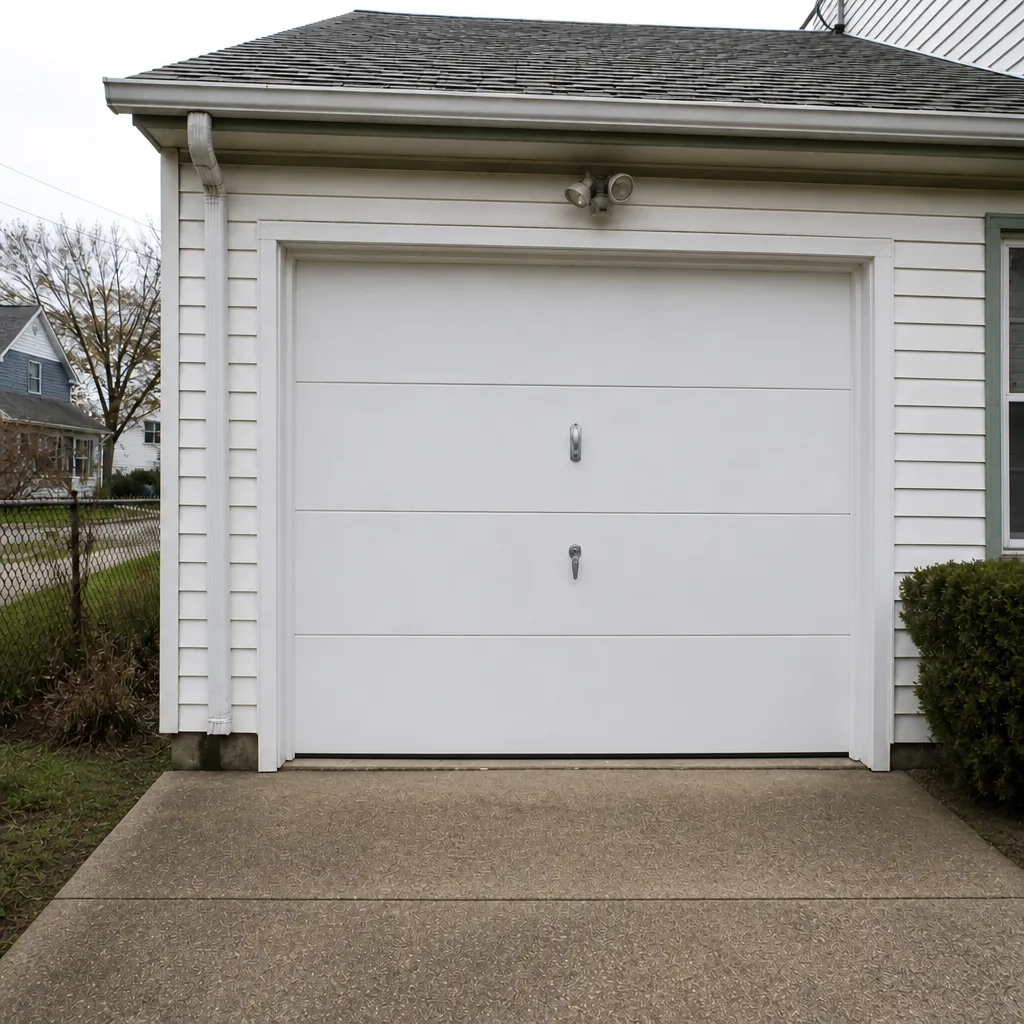 After
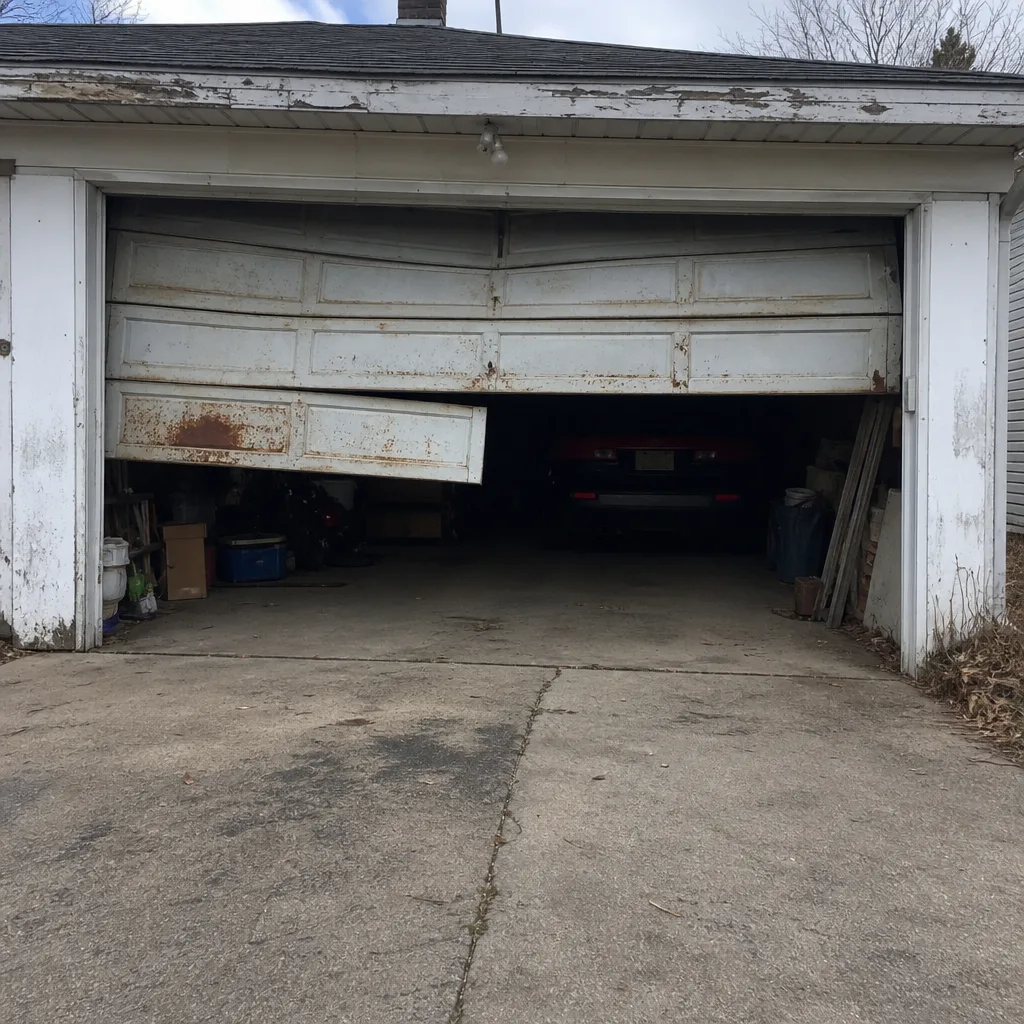 Before
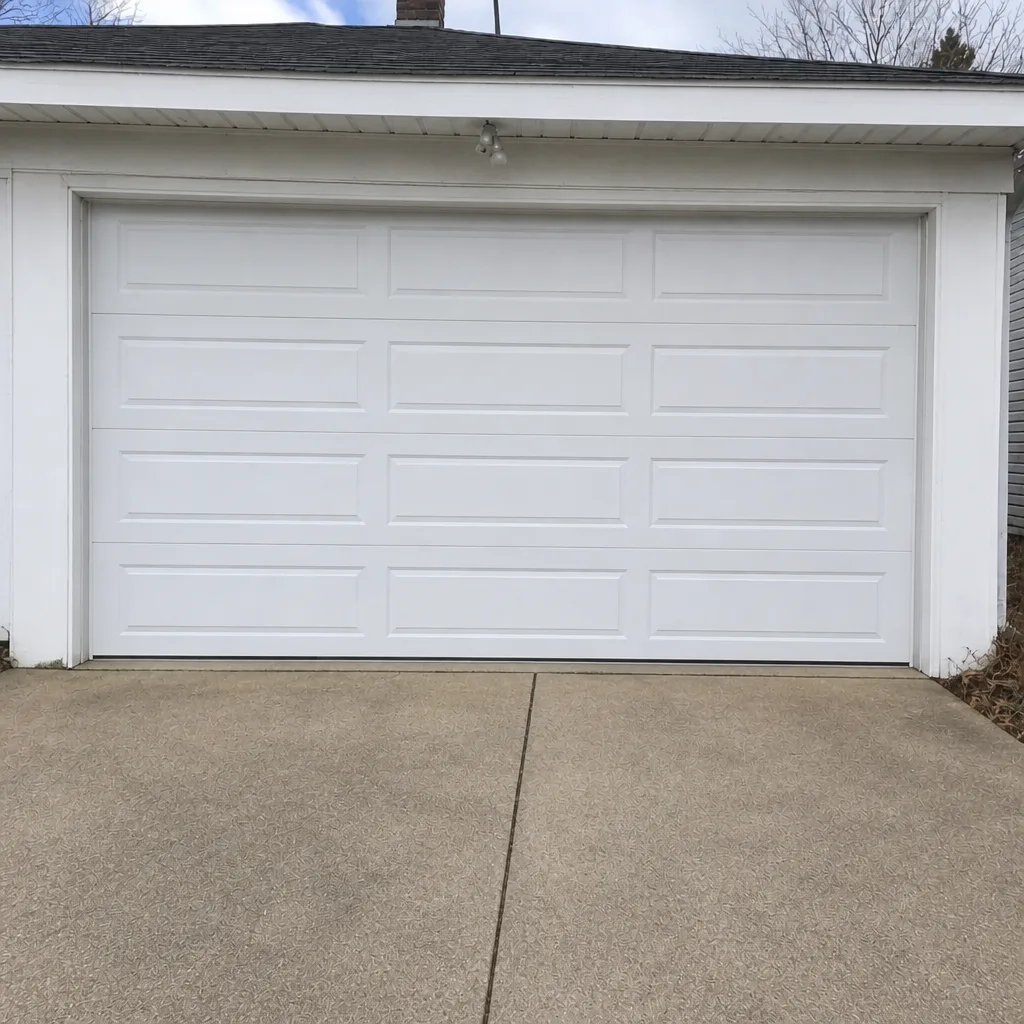 After
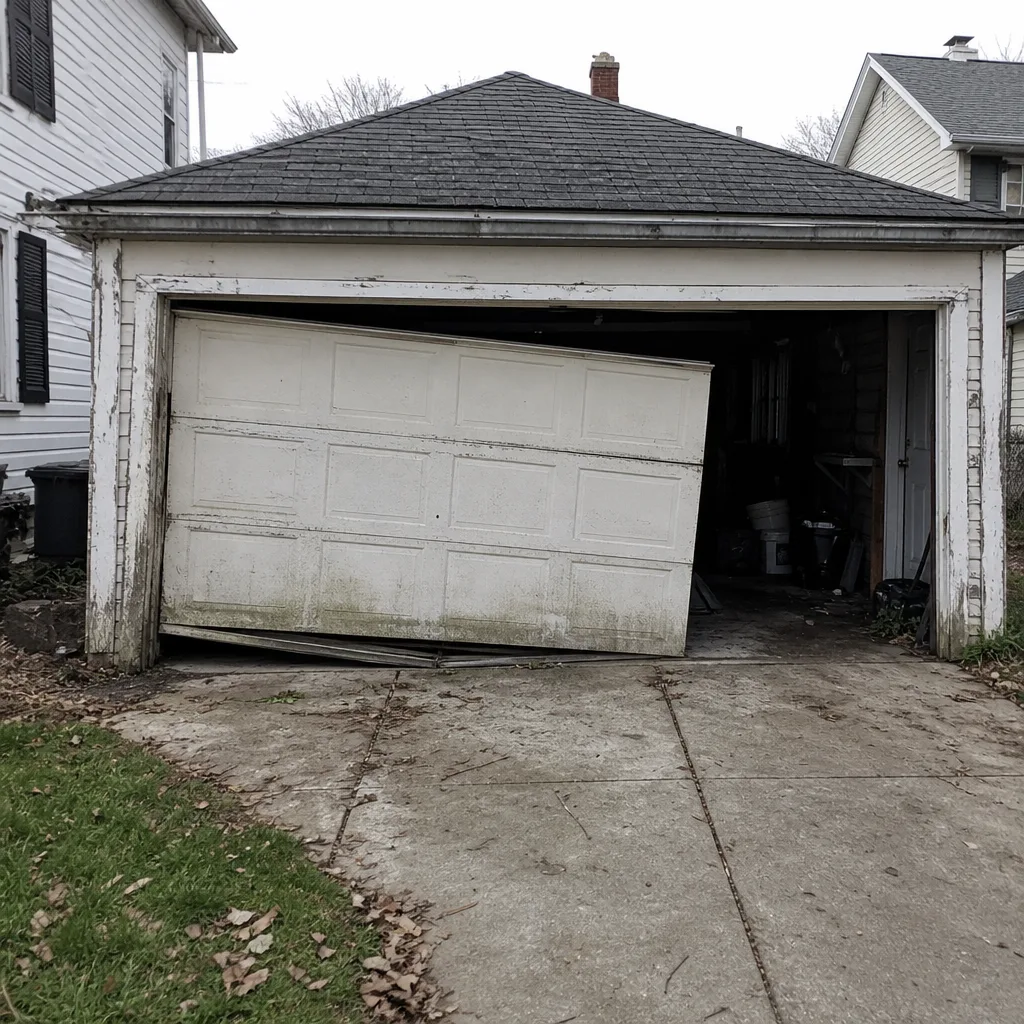 Before
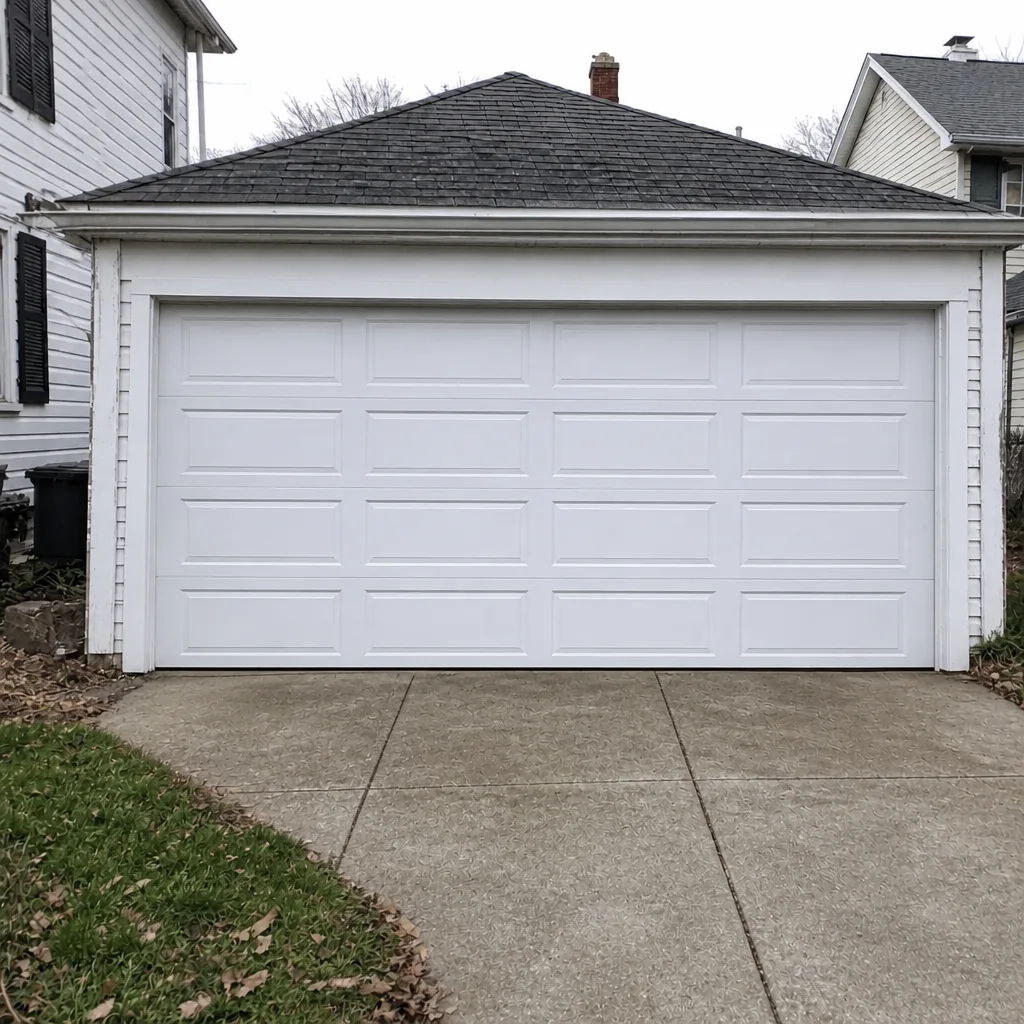 After
When to Call a Professional
Call when the door won’t lift, when a spring has visibly broken (a spring that’s snapped has a visible gap), when the door comes off the track or sits unevenly, when the opener won’t respond to the remote or the wall button, or when the door’s motion is loud, jerky, or strained. Call when a cable appears slack or frayed. Call when a sensor is misaligned or a door closes on its own. And call when a door is genuinely past repair: a rusted-through panel set, framing that’s shifted, or a door whose combined repair costs approach the price of a new measured door. If you’re not sure which category you’re in, describe the symptom and we’ll tell you whether it’s a repair or an installation. Garage Door Repair Euclid offers free estimates in Euclid – call (833) 726-1387.
Frequently Asked Questions
A single torsion spring replacement in Euclid typically runs $180 – $340, and a matched pair is usually about twice that because pairs are almost always replaced together. Extension springs run a bit less per spring. The exact price depends on the spring size and the door weight, and it’s given in writing after the measure. Call (833) 726-1387 for an exact quote – estimates are free.
Often, yes. Much of Euclid’s housing dates from 1940 to 1970, and openings in that era vary more than in later subdivisions – undersized panels, low-headroom setups, and altered framing are common. That’s why we measure before we quote, and why a door that “looks standard” can still need a custom size. If you’re replacing, have someone measure the opening and the headroom before you buy.
Insulated steel is the best balance of durability, cost, and weather resistance for most Euclid homes. Steel handles Lake Erie humidity well as long as the seals and finish are maintained, and it’s easy to replace individual panels. Aluminum is a good option for single-car and low-headroom doors; wood composite and solid wood look right on older Euclid homes but need more upkeep to stay sealed.
Yes – emergency garage door service is a real part of what we do, not a marketing line. A stuck door with a car inside, a snapped spring, or an opener that won’t respond is exactly the kind of call we handle in Euclid. Call (833) 726-1387 and describe what’s happening; we’ll arrange a visit. We’re not available on Saturdays, and we can book you for Sunday if a door fails on a Saturday.
No. The written estimate you get after the measure is the price, and we don’t add charges after the work starts. If a part turns out to be different than expected, we tell you before touching it and give you a revised quote to approve. You know the price before we begin, every time.
The independent local professionals we connect you with are licensed and insured as their state and local requirements specify. Our technicians have up to 14 years of experience, including on the most common Euclid brands: LiftMaster, Chamberlain, Genie, Clopay, Amarr, Wayne Dalton, Craftsman, and Raynor. Call (833) 726-1387 for a free estimate.
The Bottom Line
Euclid garage doors fail for predictable reasons, and almost all of them trace back to housing stock, climate, and hardware age rather than brand. A door from 1940 – 1970 likely needs a low-headroom-aware sizing check before a repair, and its springs need to be matched to the actual weight of the door. Insulated steel handles Lake Erie humidity better than wood; aluminum is a good fit for smaller and lower-clearance doors. Repair usually wins under 15 to 20 years; replacement wins past that or when panel structure is compromised. And bundling the opener, springs, cables, and tracks under one provider saves the second and third call. Call (833) 726-1387 for a free estimate.
Ready to get a written price on a repair, spring replacement, opener fix, or full installation? Call Garage Door Repair Euclid at (833) 726-1387 for a free estimate. We’ll measure, diagnose the whole system, and quote it before any work starts – so you know what you’re paying before we touch the door.
Written by the team at Garage Door Repair Euclid.