Last updated November 22, 2026
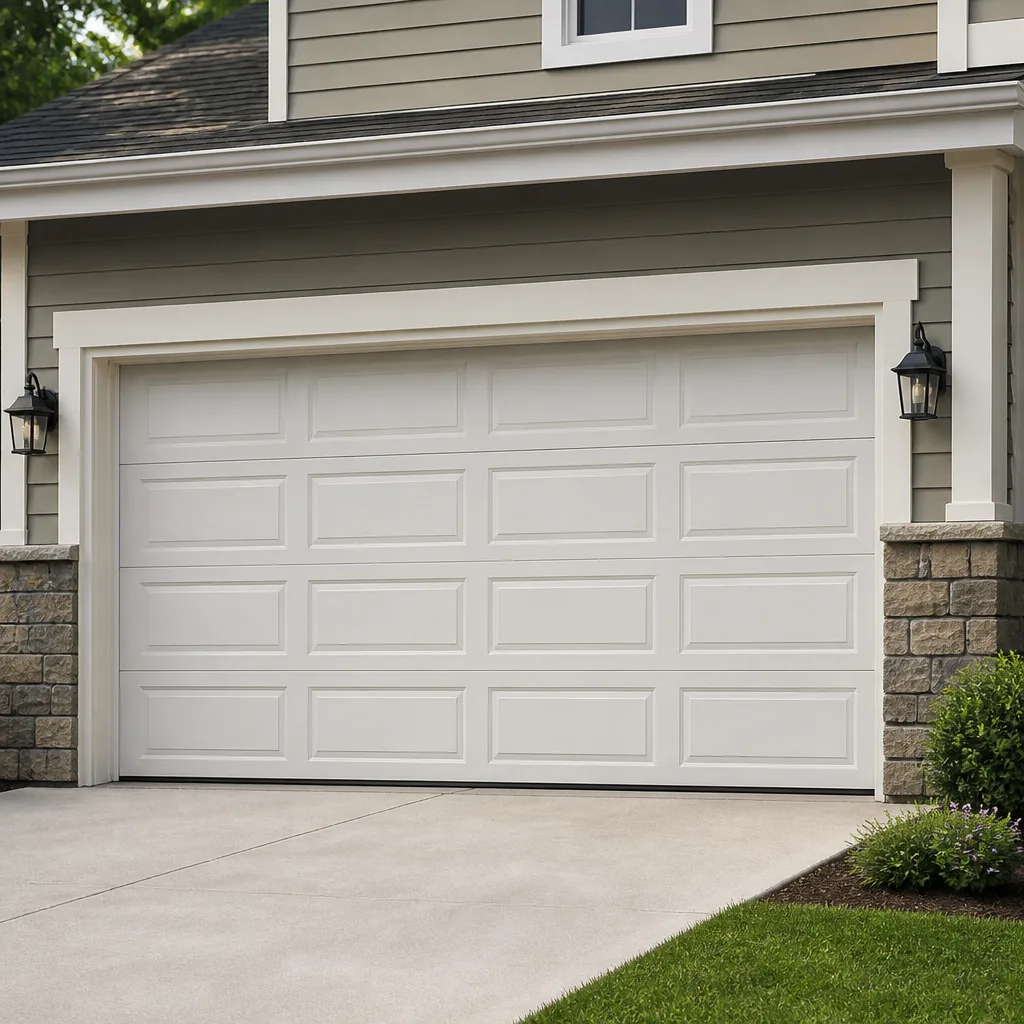 Raised-panel steel
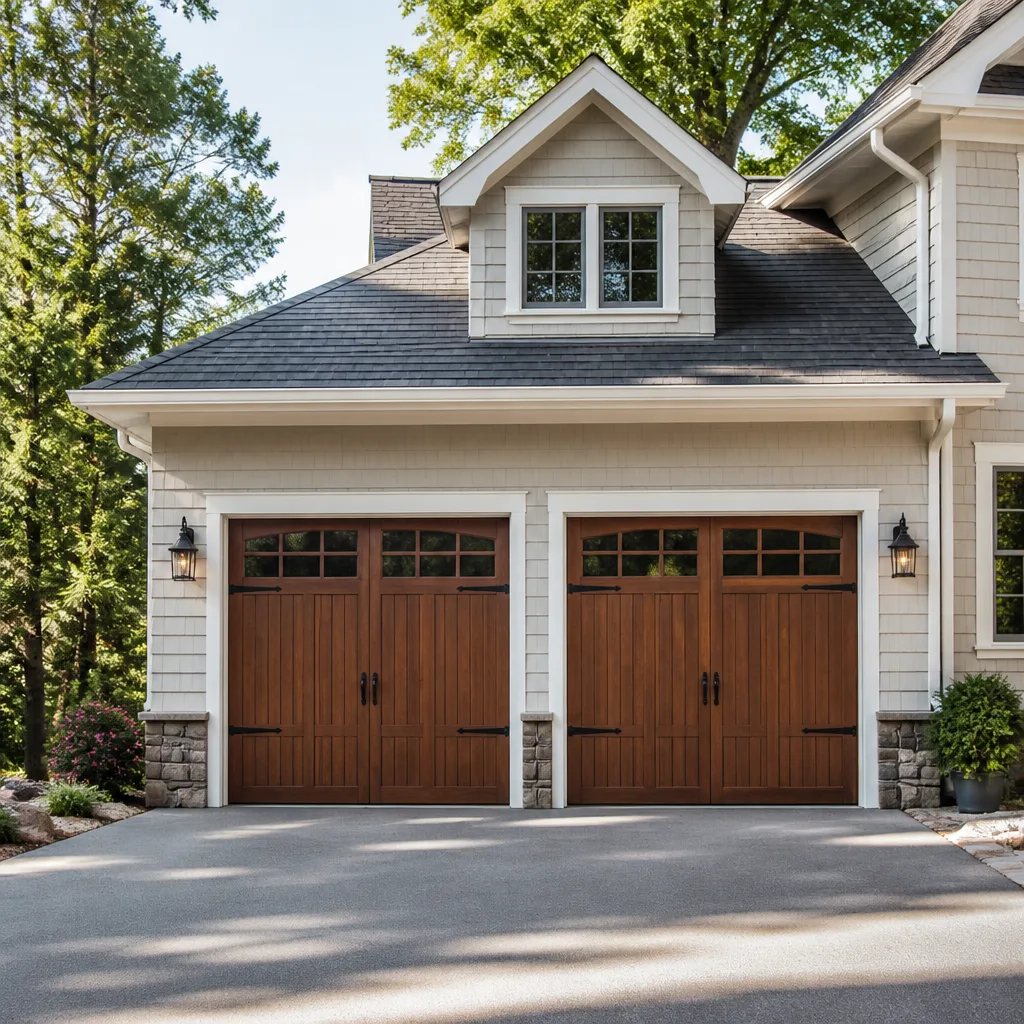 Carriage house
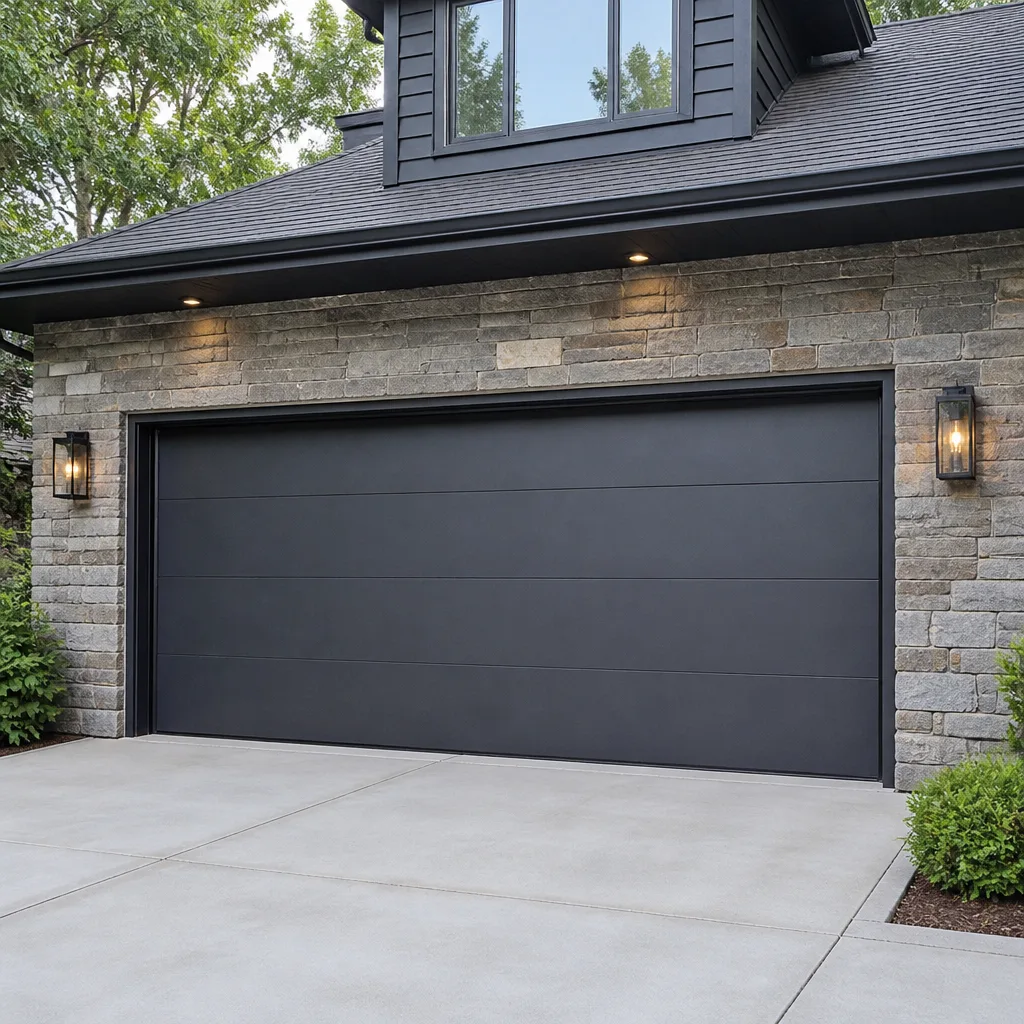 Modern flush
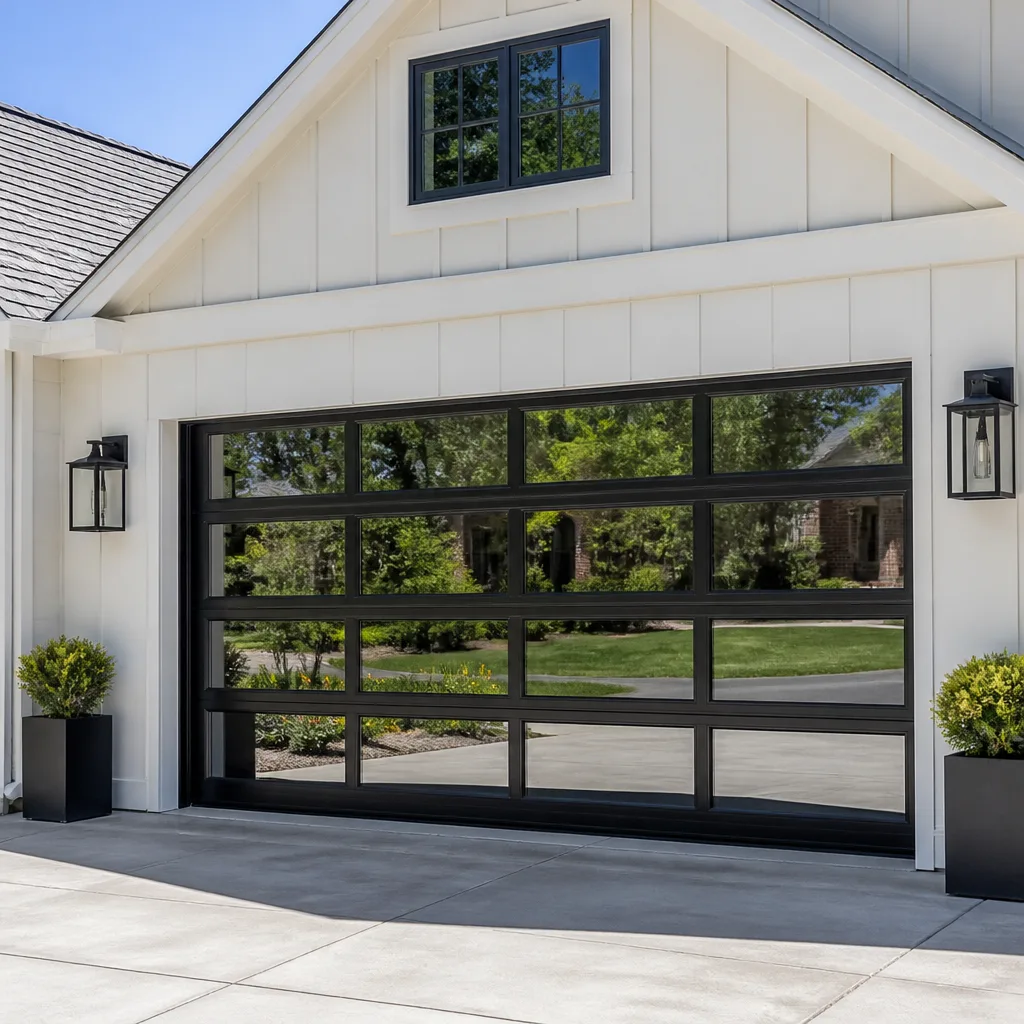 Full-view glass
 LiftMaster openers
 Chamberlain openers
Full 25-point door and opener safety check with every visit - springs, cables, rollers, tracks, and your LiftMaster or Chamberlain opener included
You get a price before we start. It does not change when the pro arrives.
Get your free estimateGarage Door Repair Troubleshooting in Euclid: Common Problems and How to Fix Them
A door that reverses before it touches the floor and a door that won’t budge at all look like two different failures, but they often trace back to the same small part: a misaligned safety sensor. It’s a low-cost fix that gets mistaken for a dead opener far more often than it should. Most garage door troubleshooting goes wrong for exactly this reason. Homeowners chase the symptom they can see or hear instead of the component that’s actually failing. In this guide, we’ll walk you through a component-first diagnosis for the problems we see most in Euclid, from freeze-thaw seal issues in January to a trolley carriage that’s quietly come loose. You’ll learn what you can safely check yourself, what to leave alone, and when to call.
Quick Answer
Most garage door problems in Euclid come down to four components: springs, cables and drums, the opener’s trolley or logic board, and the safety sensors at the floor. Match the symptom to the component before you call anyone, because a reversing door is usually a sensor issue while a door that sags on one side is almost always a cable or spring. Anything involving torsion springs, cables under tension, or opener wiring should go to a trained technician, not a toolbox.
Styles & brands we work with
- Raised-panel steel
- Carriage house
- Modern flush
- Full-view glass
- LiftMaster openers
- Chamberlain openers
Table of Contents
- Start With the Component, Not the Symptom
- Symptom-to-Component Map: What Each Failure Tells You
- Why Euclid Winters Confuse the “Door Won’t Close” Diagnosis
- Tests You Can Safely Run Yourself
- Signs You Should Stop and Call a Technician
- Reading Your Opener’s Blinking Light: LiftMaster and Chamberlain Codes
- How Brand Affects the Fix
- What Prevents Repeat Failures
Start With the Component, Not the Symptom
A garage door is a system, not a single appliance. It has a counterweight (the springs), a lifting mechanism (the opener and its rail), a guidance system (tracks and rollers), and a safety layer (sensors and reversing logic). When any one of those fails, the door behaves in a way that mimics a failure somewhere else. That’s why the same “door won’t close” complaint can lead to a sensor adjustment one day and a cable drum replacement the next.
Component-first diagnosis means you ask a simple question before anything else: is the door moving at all? If it moves but reverses, the opener is probably fine and the sensor circuit is the suspect. If it moves but drags or sags, you’re looking at springs, cables, or rollers. If it doesn’t move but the opener motor hums, the trolley or the release cord is the likely culprit. If nothing happens at all, the logic board or the power supply comes into play. Answering that one question narrows the diagnosis from a dozen possibilities to two or three, which is the whole point of troubleshooting rather than guessing.
In Euclid, we run into this constantly because homes here range from mid-century builds with original hardware to newer construction with modern openers. The age of the door matters as much as the brand. A Clopay door from the 1990s and a newer Amarr install can both fail to close, but the reasons rarely overlap. Once you know which component is involved, the fix tends to be straightforward. When you skip that step, you end up replacing a working opener to solve a sensor problem, or adjusting a sensor to fix a cable that’s about to snap. For anything you can’t safely diagnose yourself, a call to a professional for Garage Door Repair Euclid saves both time and money.
Symptom-to-Component Map: What Each Failure Tells You
Use this map to connect what you’re hearing or seeing to the part that’s most likely responsible. It won’t tell you how to replace anything, but it will tell you what kind of repair you’re facing and whether it’s urgent.
Grinding, Squealing, or Scraping
Grinding usually points to rollers, hinges, or the opener’s rail and gear. Squealing that starts and stops with door travel is often a dry roller or a worn bearing plate. A metallic scraping sound that gets louder as the door rises often traces back to the cable winding unevenly on the drum. None of these are emergencies on their own, but they get worse and more expensive the longer they go. Our technicians have up to 14 years of experience listening to these patterns and can usually identify the source in a few minutes.
Reversing Before the Door Hits the Floor
Nine times out of ten, this is the safety sensor circuit. Either the sensors are out of alignment, the lenses are dirty, or the wiring has a break. Rarely, it’s the logic board failing to read the sensor signal correctly. It looks like an opener problem because the opener is what reverses the door, but the opener is just following instructions.
Slow Travel or Uneven Movement
A door that moves slower than it used to, or moves at an angle rather than straight up, points to a balance issue. This is a spring or cable problem almost every time. If one side of the door lifts before the other, stop using the door. Continuing to run it can damage the opener and put stress on a cable that’s already compromised. This is where you call for garage door spring repair rather than continuing to cycle the door.
One-Side Gaps or a Door That Doesn’t Sit Flat
A gap on one side, or a door that closes but leaves daylight along the bottom edge unevenly, usually means a cable has jumped its drum or a spring has lost tension on one side. This is a mechanical issue, not a sensor issue. Adjusting the sensors won’t fix it. The door needs to be rebalanced.
Motor Hums But Nothing Moves
This is usually the trolley carriage, the part that rides along the opener rail and connects to the door. It can strip, disengage, or get stuck. Sometimes the manual release cord has been pulled and never re-engaged properly. Before calling anyone, check whether the release cord is hanging down or has been reattached. If it looks correct and the door still won’t move, the trolley or the gear inside the opener is the next suspect.
Why Euclid Winters Confuse the “Door Won’t Close” Diagnosis
Northeast Ohio’s freeze-thaw cycle does something to a garage door that warmer climates never see. The bottom seal, the rubber or vinyl strip along the bottom edge of the door, is designed to compress against the floor and create a weathertight seal. In winter, moisture from melting snow and ice collects at the threshold, then freezes overnight. The ice pushes up against the seal, the door hits resistance on its way down, and the opener’s safety logic reads that resistance as an obstruction. The door reverses. It looks like a sensor failure, but the sensor is fine. The threshold is the problem.
There’s a second, subtler version of this. The concrete slab at the garage threshold shifts and heaves slightly as the ground freezes and thaws. A slab that was perfectly level in October can develop a lip in January. The seal compresses unevenly against that lip, and the door stops short on one side. Homeowners call us convinced their opener needs replacement when what actually happened is a bottom seal that’s lost its flexibility in the cold and a threshold that’s heaved by a quarter inch.
What to check before you assume it’s the sensors:
- Look at the bottom seal. If it’s stiff, cracked, or visibly flattened, cold weather is making an existing problem worse.
- Check the threshold for ice buildup, especially after a daytime thaw followed by a hard freeze overnight.
- Watch where the door stops. If it reverses at the same point every time regardless of the sensors, resistance is the likely cause.
- Clear any snow or ice packed against the bottom of the door and try again once.
If the door closes cleanly after clearing ice, you’ve found the cause. If it still reverses, the sensor circuit or the opener’s force settings need a closer look. Force settings should always be adjusted by a technician, because setting them too high defeats the safety reverse feature. This is one of the most common winter calls we field in Euclid, and it’s why we recommend checking the bottom seal and threshold before the first hard freeze.
Tests You Can Safely Run Yourself
Some troubleshooting is safe for a homeowner with a little patience. Some absolutely is not. The line between the two comes down to tension. Anything you can check without touching a spring or a cable under load is fair game. Anything that requires reaching the springs, the drums, or the cables is not.
The Balance Test
- Close the door completely, then pull the manual release cord to disconnect the opener from the door.
- Lift the door about halfway by hand and let go.
- A balanced door stays where you leave it. If it drops or rises on its own, the springs are out of adjustment.
- Reconnect the opener by sliding the trolley back until it clicks or locks into the carriage.
This test tells you whether the springs are doing their job. It does not tell you how to adjust them, and you should not try. Torsion springs store enormous energy, and a spring that’s out of balance under the wrong hands can release violently. If the door fails the balance test, that’s your answer: call a technician.
Sensor Alignment Check
- Locate the two small sensor units at the bottom of the door tracks on each side.
- Look for a small indicator light on each unit. Most modern sensors have one.
- If one light is solid and the other is off or flickering, the sensors are misaligned or the lens is dirty.
- Wipe both lenses with a soft cloth and recheck. If the light stays off, gently adjust the unit by hand until the light comes on, then tighten the wing nut.
This is one of the safest fixes in the trade. It costs nothing to try, and it resolves a surprising number of “door won’t close” complaints.
Manual Release Test
Pulling the red manual release cord disconnects the opener from the door so you can move it by hand. If the door moves freely by hand but won’t move under opener power, the problem is in the opener, not the door. If the door is stiff and hard to move by hand, the problem is in the door’s mechanicals, not the opener. This is a quick way to divide the system in half. Just make sure you know how to re-engage the trolley afterward, and never leave the door disconnected and open, since a disconnected door can drop.
Signs You Should Stop and Call a Technician
Some symptoms mean you should stop troubleshooting and pick up the phone. Here are the ones that matter most:
- The door won’t lift and the springs look stretched or broken. A visible gap in a torsion spring or a visibly extended extension spring means the spring has failed. Do not try to lift the door by hand to see if it works. Do not pull the manual release. Call a technician.
- You can see a frayed or slack cable. Cables are under tension and can whip if they snap. Do not touch them.
- The door is hanging crooked or one side is off the track. A door off its track can fall. Keep people and vehicles clear and call for help.
- The opener hums but nothing moves, and the release cord looks normal. This usually means the trolley or gear is damaged. It’s not a safety hazard, but it won’t fix itself.
- You smell burning from the opener or see scorch marks. Stop using the opener and call. Electrical issues inside a motor unit aren’t a homeowner fix.
- The door reverses and you’ve already cleaned and aligned the sensors twice. That points to something in the opener’s logic or the door’s force settings. You need a technician with a meter and a manual.
When your garage door won’t open and your car is stuck inside, that’s exactly when to call us. Emergency calls are a core part of what we do, and a door stuck open with the house exposed is just as urgent. We work on all major brands, so there’s no guesswork when the technician arrives. Spring replacement is high-tension work, and we do it safely and to spec.
Reading Your Opener’s Blinking Light: LiftMaster and Chamberlain Codes
Modern openers blink their lights in patterns to tell you what’s wrong, and most homeowners never read them. That’s a shame, because the pattern narrows the diagnosis before anyone opens a toolbox. LiftMaster and Chamberlain openers share much of the same engineering and use similar blink patterns.
Common LiftMaster and Chamberlain Blink Patterns
- 1 blink, pause, repeat: Usually a sensor problem. Check alignment, lens cleanliness, and the wire run from sensor to opener.
- 2 blinks: Often a sensor-related fault or an obstruction in the door’s path. Recheck the sensor circuit first.
- 3 blinks: Often a safety reverse issue, or the opener detecting unexpected resistance during travel.
- 4 blinks: Often a door travel or limit-setting issue. The opener’s travel limits need to be reprogrammed or a mechanical problem is causing resistance.
- 5 blinks: Often a problem with the opener’s internal logic or wiring, and usually means a technician needs to look at it.
- Constant blink or no lights: Power or logic board issue. Confirm the outlet has power before assuming the opener is dead.
These patterns aren’t universal across every model, and they vary between generations of the same brand. But they’re a starting point. If you can tell a technician “it blinks three times,” you’ve cut diagnostic time significantly. Genie openers, including Aladdin Connect models, and older Craftsman units follow different patterns, which is why we work on all of them rather than specializing in one. Whether it’s a LiftMaster smart opener or a legacy Craftsman unit, we’ve worked on it. For any of these, garage door opener repair starts with reading the code.
How Brand Affects the Fix
Garage doors and openers aren’t interchangeable. The same symptom can require different parts and different procedures depending on what’s installed. We work on eight of the most widely installed brands, so there’s rarely a surprise when we open the door and see what’s actually there.
On the door side, Clopay and Amarr are common in Euclid, and both have specific panel and hinge profiles that require matching parts. A generic hinge won’t seat properly on a Clopay sectional door without the right profile, and it’s the kind of mistake that shows up six months later as a grinding sound. Wayne Dalton doors often use proprietary spring and track hardware that most generalists don’t keep on hand. On the opener side, LiftMaster and Chamberlain share a lot of architecture, which means diagnostics transfer between them, but Genie and Craftsman have their own logic and their own error patterns. Raynor doors and openers round out the list, and they tend to hold up well but need specific attention when something finally fails.
This matters for troubleshooting because it changes what’s safe to try. A sensor alignment check works the same on almost every brand. A force-setting adjustment varies by model and should be done by someone who knows the specific unit. If you’re not sure what’s installed, look for a label on the inside of the door panel or on the opener’s motor housing. Knowing the brand before you call speeds up the whole process. garage door repair on a brand-specific basis is what keeps a small problem from becoming a full replacement.
What Prevents Repeat Failures
Troubleshooting solves the current problem. Maintenance keeps it from coming back. The two biggest causes of repeat failures are dried-out moving parts and ignored early warning signs.
- Lubricate rollers, hinges, and the opener rail with a garage door lubricant, not WD-40 or general-purpose oil. A dry roller is the most common source of grinding and premature wear.
- Check the bottom seal before winter. In Euclid, a stiff or cracked seal is going to cause false “door won’t close” symptoms once the freeze-thaw cycle starts. Replacing it in the fall is easier than diagnosing it in January.
- Clear the threshold after a thaw. Ice that refreezes overnight packs against the door and stresses the opener’s safety reverse.
- Watch and listen. A new squeak, a slightly slower door, a small gap at the bottom, all of these are early signals. Addressing them early keeps the repair small.
- Test the safety reverse monthly. Place an object in the door’s path and confirm it reverses. This is a two-minute check that catches sensor problems before they strand you.
Maintenance isn’t glamorous, but it’s the difference between a door that lasts and a door that keeps calling you back to the same problem. The freeze-thaw pattern here in Euclid makes seasonal checks more important than they’d be in a milder climate, because the door is working against ice and shifting concrete for a good part of the year.
Common Mistakes to Avoid
- Replacing the opener when the sensors are the problem. It’s the most expensive way to solve a cheap problem. Always verify sensor alignment before assuming the motor unit has failed.
- Trying to adjust a torsion spring yourself. Torsion springs store enough energy to cause serious injury. There is no safe DIY version of this repair, no matter what a video suggests.
- Using WD-40 on rollers and hinges. It’s a solvent, not a lubricant, and it dries out the very parts you’re trying to protect. Use a proper garage door lubricant.
- Ignoring a one-side gap or a door that sits crooked. In Euclid, winter makes this worse, and a door running out of balance will wear out the opener faster than a door that’s aligned.
- Increasing the opener’s force settings to make a sticky door close. This defeats the safety reverse feature and masks the real problem, which is usually a seal, a threshold, or a spring.
- Leaving the door disconnected after a manual release. A disconnected door can drop without warning. Always re-engage the trolley or call for help if it won’t reconnect.
- Assuming a blinking light means a dead opener. The blink pattern is a diagnostic tool. Read it before you spend money.
See the difference
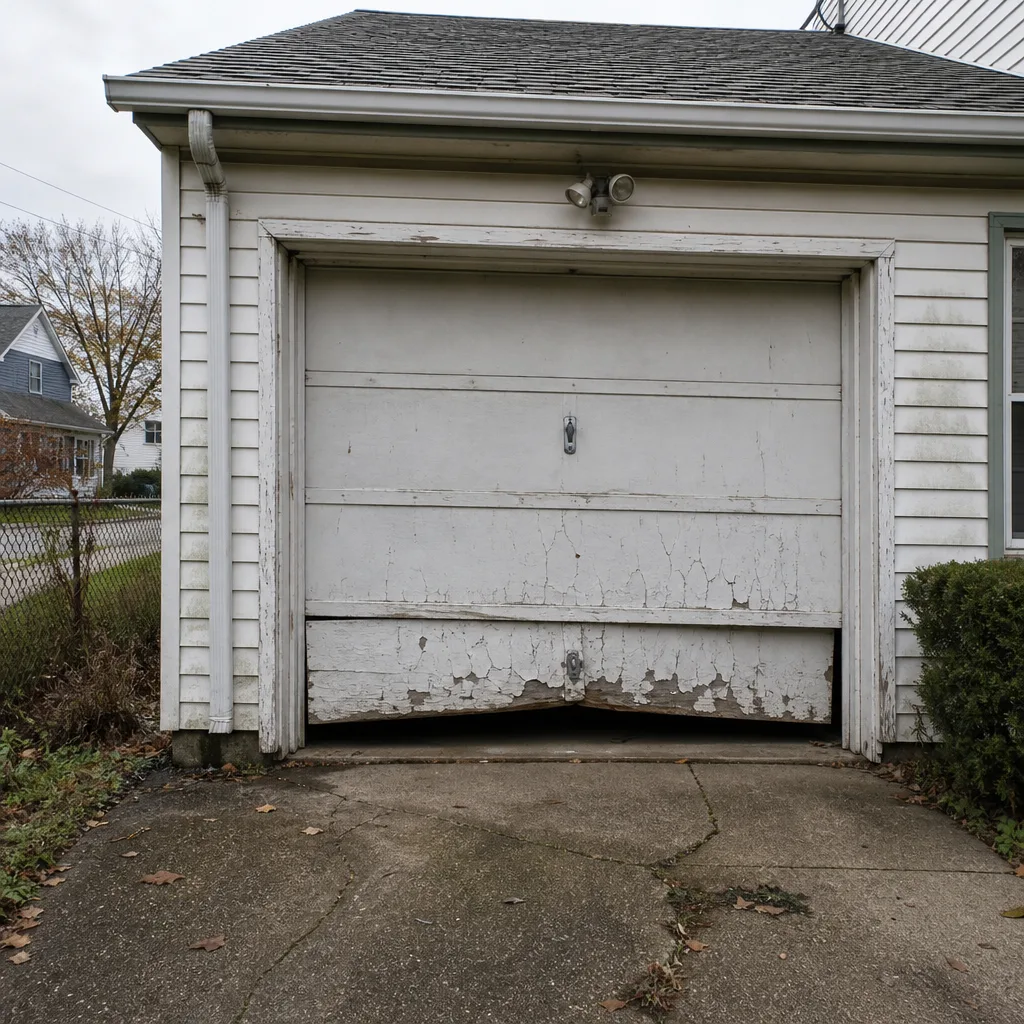 Before
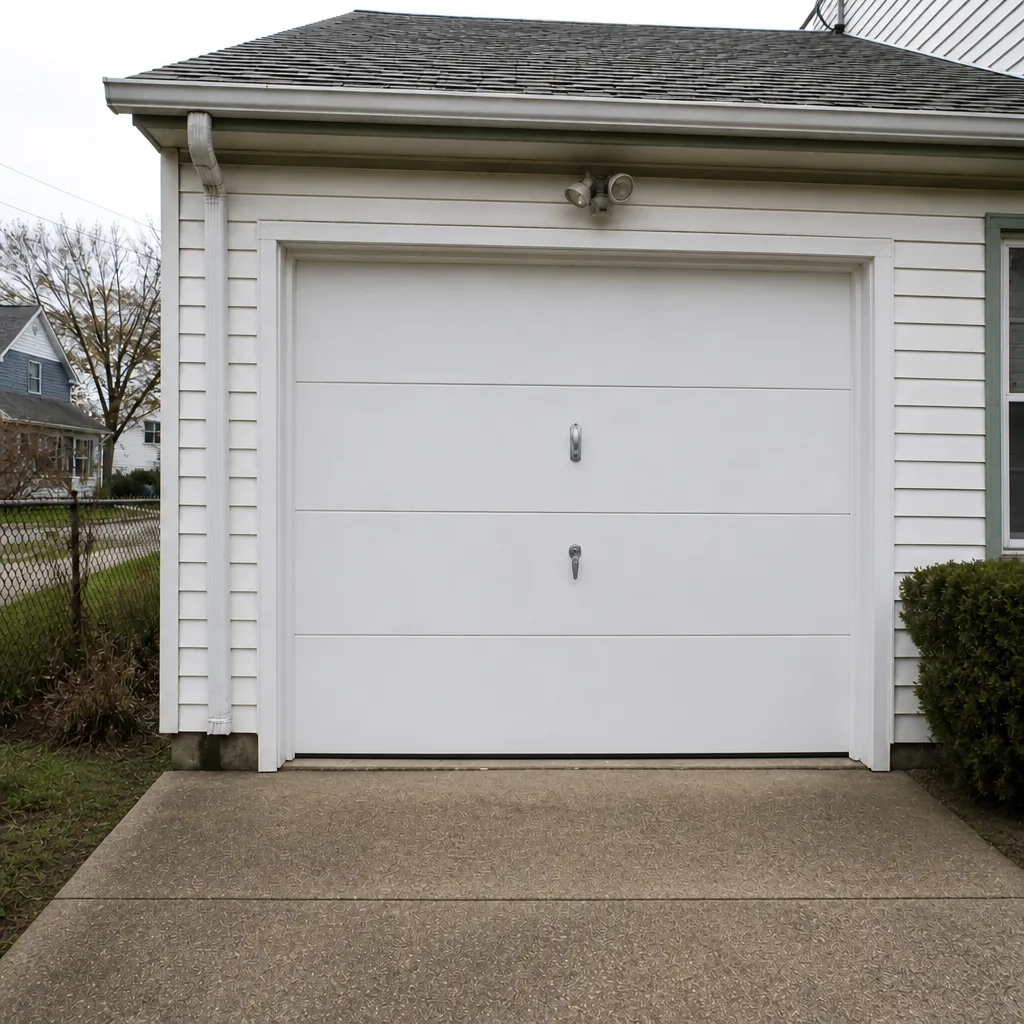 After
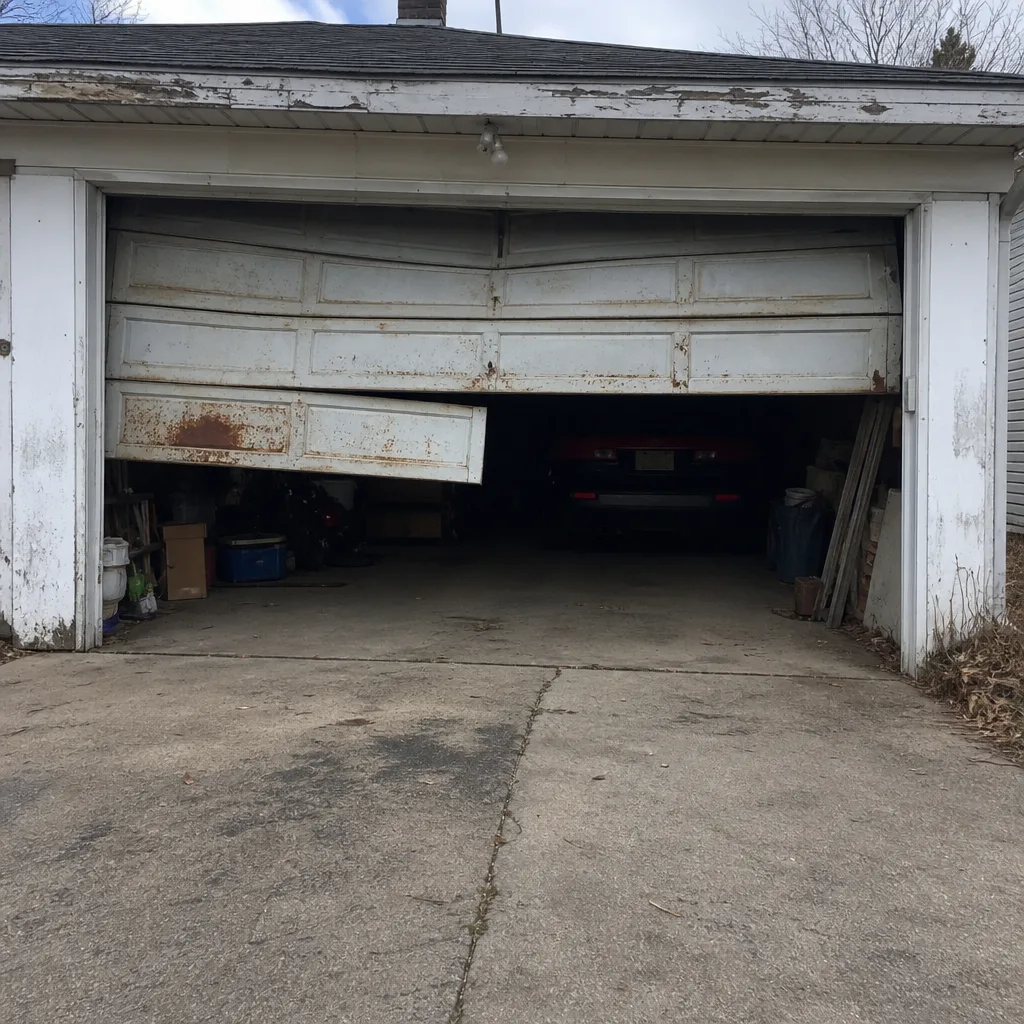 Before
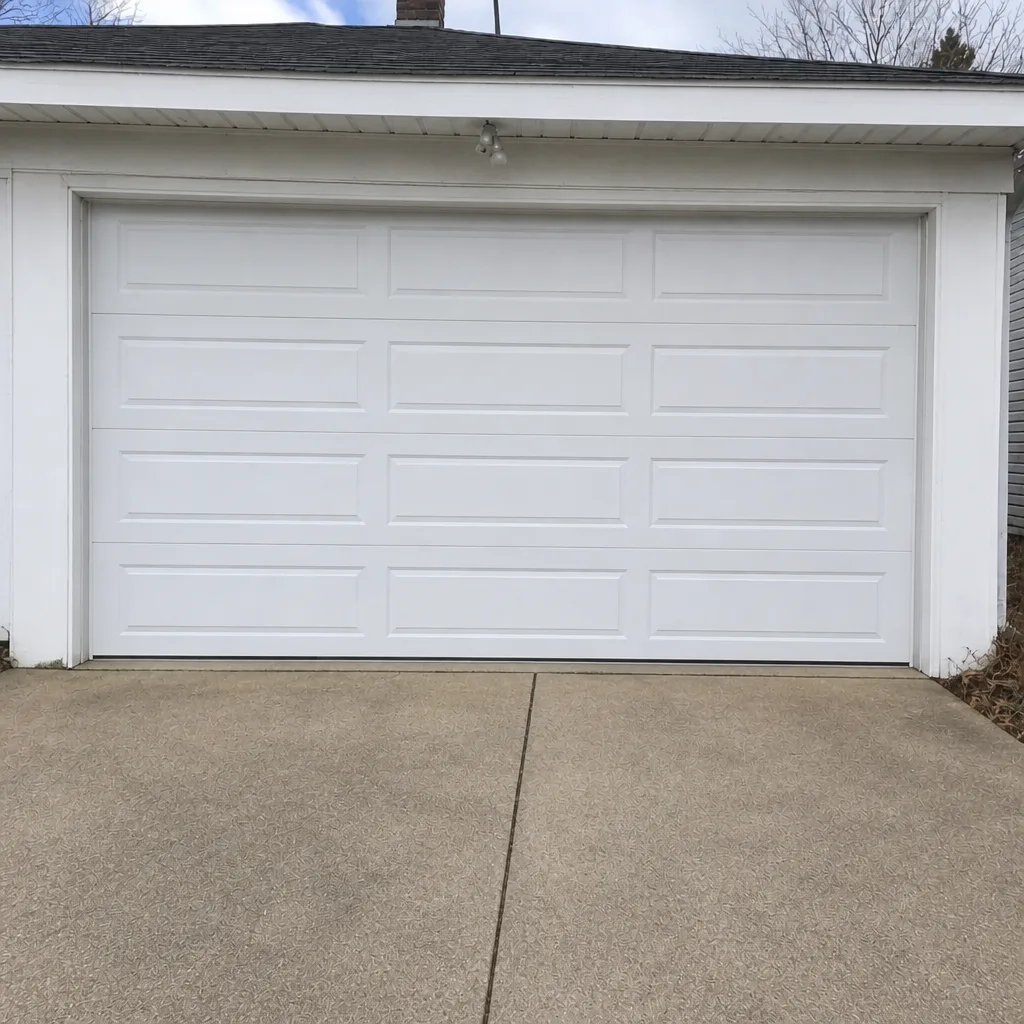 After
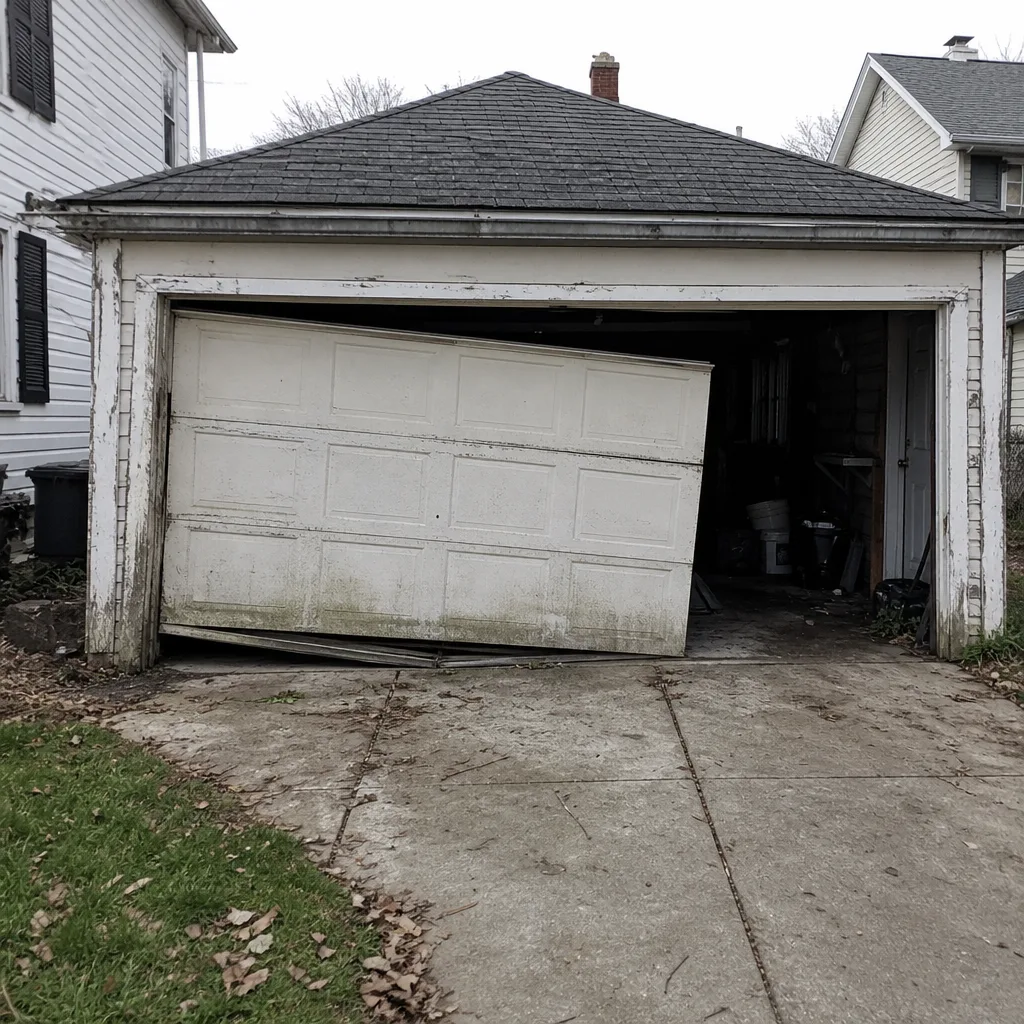 Before
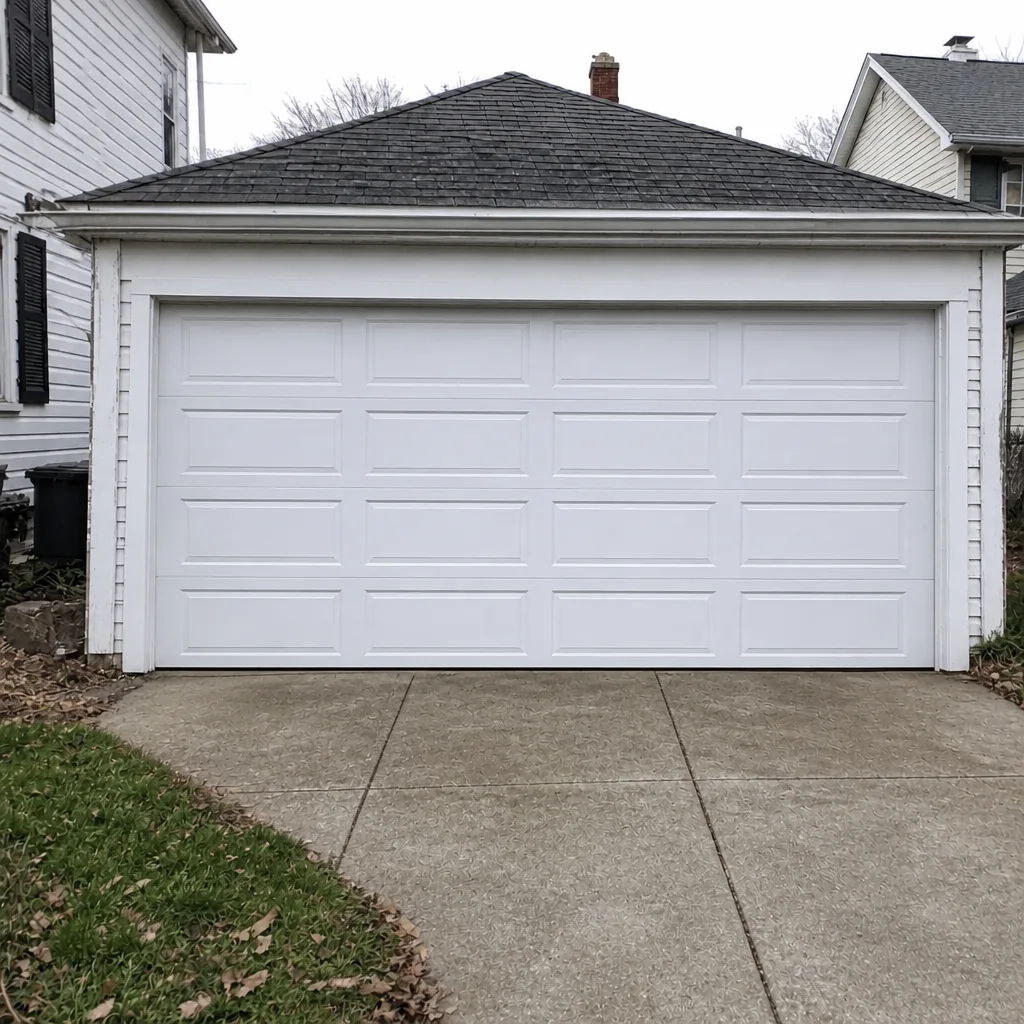 After
When to Call a Professional
Call a professional when the symptom involves a spring, a cable, an off-track door, or a logic board you can’t read. Call immediately if the door is stuck open and the house is exposed, or if the door won’t open and your car is trapped. Those are time-sensitive failures, and emergency service is exactly what it’s built for. You can also call when you’re simply not sure, because a quick diagnosis is cheaper than a wrong repair. Garage Door Repair Euclid offers free estimates in Euclid. Call (833) 726-1387, and we’ll tell you what’s actually wrong and what it takes to fix it.
Frequently Asked Questions
Your safety sensors are almost certainly out of alignment or dirty. Check the small indicator lights on both sensor units at the bottom of the tracks. If one is off, wipe the lens and adjust the unit until the light comes on, then retry. If both lights are on and the door still reverses, the opener’s force settings or a wiring issue is the next suspect. Call (833) 726-1387 if it keeps happening after two attempts.
No. Torsion and extension springs are under extreme tension, and a spring that releases unexpectedly can cause serious injury. There is no safe DIY method for spring replacement. Call (833) 726-1387 for professional spring repair.
No. A door that’s moving crooked is usually a cable or spring problem, and continuing to run it can damage the opener or cause the door to come off its track. Stop using it and keep people and vehicles clear. Call us for an evaluation.
We’re closed Saturday. We’re open Sunday through Friday, 7am to 7pm, and we’re happy to book you for Sunday if your door fails on a Saturday. Call (833) 726-1387 and we’ll get you on the schedule.
Most garage door repairs come in as a per-job estimate based on the component involved, and you’ll get a written price before any work starts. Sensor and alignment issues are at the low end, opener repairs in the middle, and spring or cable work higher because of the safety requirements. Call (833) 726-1387 for a free estimate specific to your door.
Three blinks on a LiftMaster or Chamberlain opener usually points to a safety reverse issue, or the opener detecting unexpected resistance during travel. Check for obstructions in the door’s path and recheck the sensor circuit first. If the pattern continues, a technician needs to check the door’s balance and the opener’s force settings. Call (833) 726-1387.
Not always. In Euclid, freeze-thaw cycles cause ice to build up at the threshold and bottom seal, which the opener reads as resistance. Clear any ice or snow packed against the door and check the seal for stiffness or cracking. If the door closes cleanly after clearing, the sensors were never the problem.
The Bottom Line
Most garage door failures in Euclid trace back to four components: springs, cables and drums, the trolley and opener, and the safety sensors. The fastest way to fix the right thing is to match the symptom to the component before you spend money. Safe homeowner checks are the balance test, sensor alignment, and the manual release. Springs, cables, off-track doors, and logic board faults go to a technician. And in winter, remember that ice at the threshold can mimic a sensor failure. If you’d rather skip the guesswork, we’ll diagnose it and quote a price before any work begins.
Written by the team at Garage Door Repair Euclid.