Last updated November 22, 2026
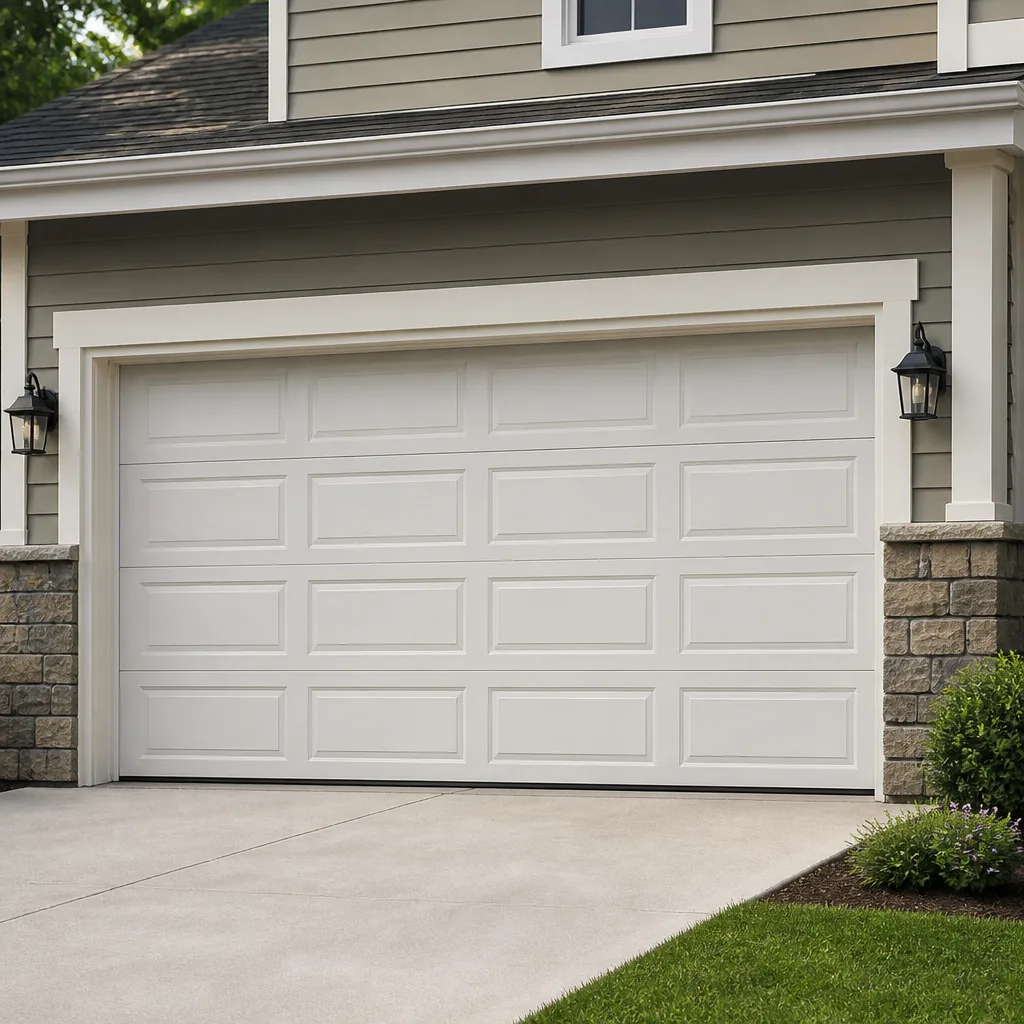 Raised-panel steel
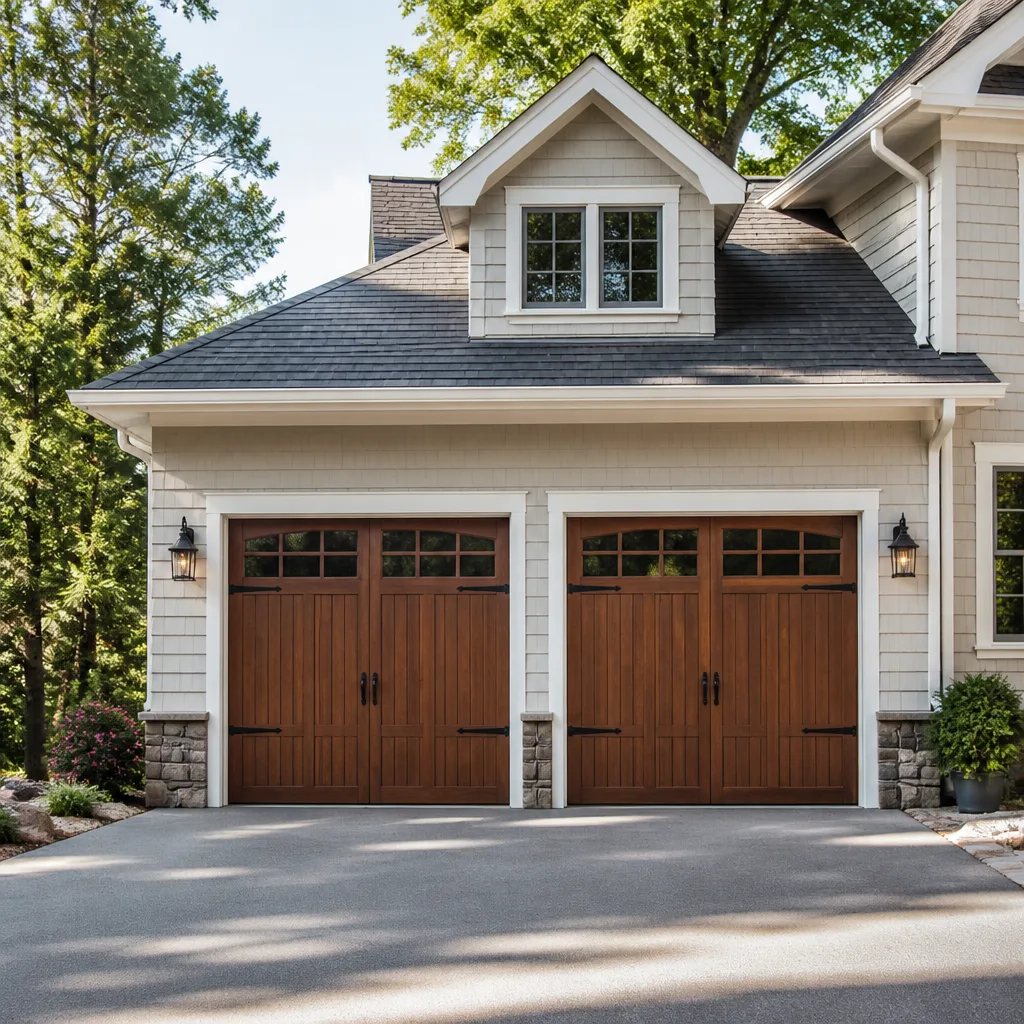 Carriage house
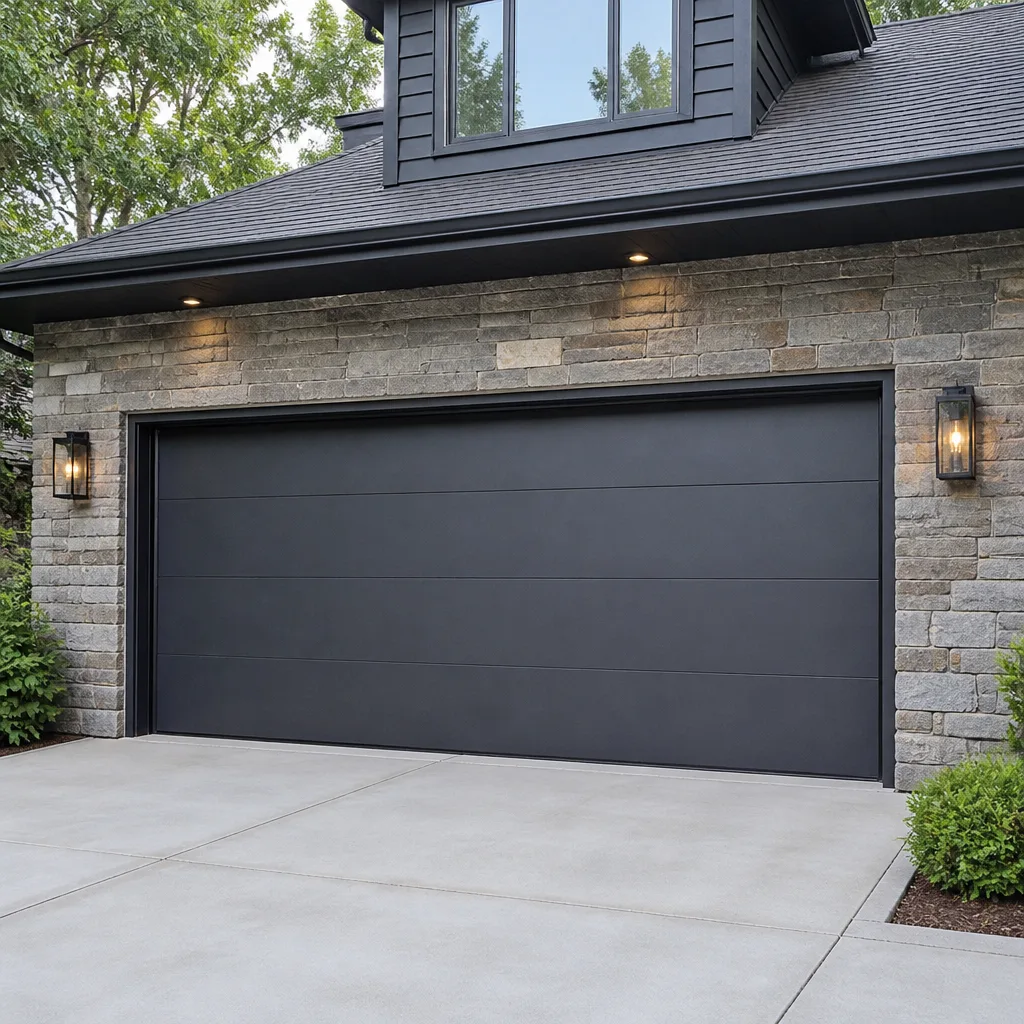 Modern flush
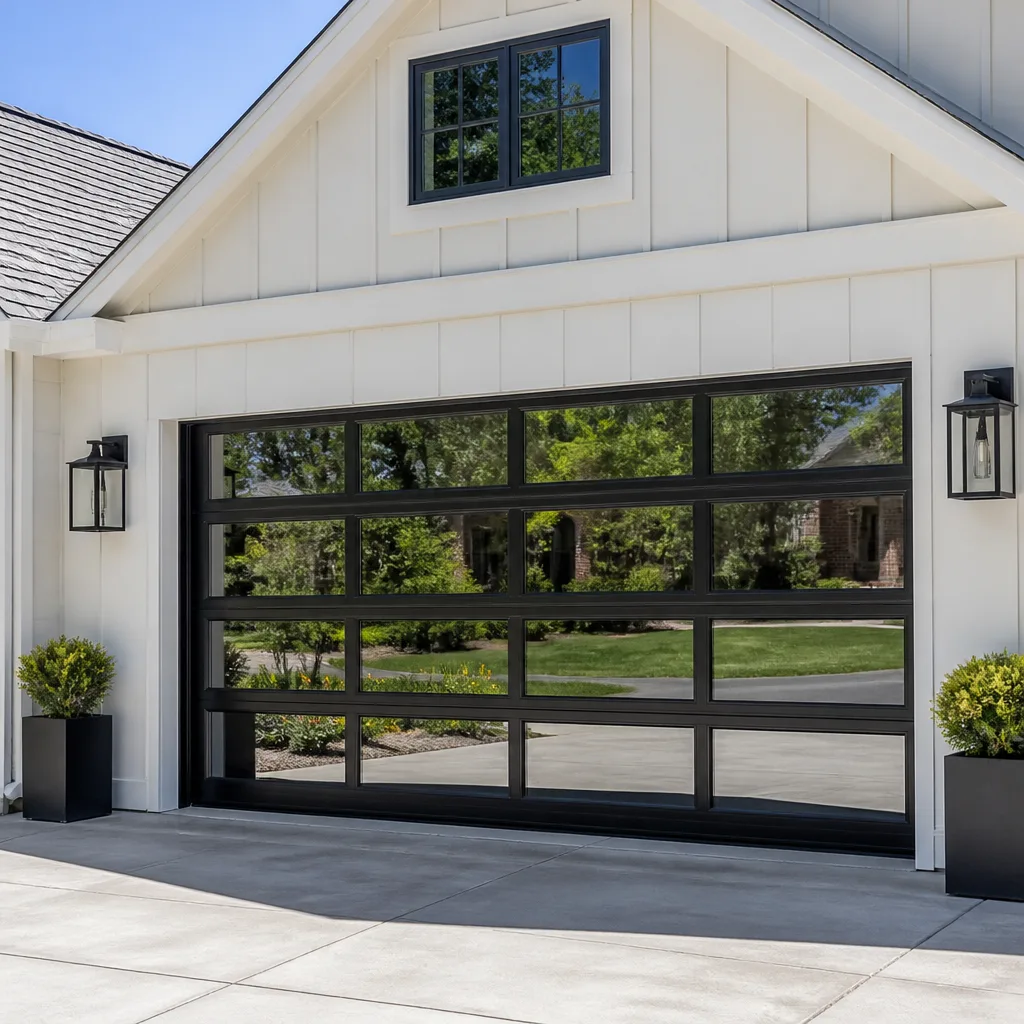 Full-view glass
 LiftMaster openers
 Chamberlain openers
Full 25-point door and opener safety check with every visit - springs, cables, rollers, tracks, and your LiftMaster or Chamberlain opener included
You get a price before we start. It does not change when the pro arrives.
Get your free estimateGarage Door Repair Maintenance Schedule: What to Do and When
Most homeowners never touch a single part of their garage door until it stops working. That’s understandable, but it’s also backwards. Torsion springs in Northeast Ohio don’t fail at random. They fail in February, when metal that’s been contracting through months of cold snaps finally reaches its cycle limit under maximum tension. The same door that opened fine in October can snap a spring on the coldest morning of the year, and the timing is not a coincidence. It’s predictable. That predictability is the whole point of a maintenance schedule. In this guide, we’ll walk through what to check and when, month by month, built around how Euclid’s weather actually treats your door.
Quick Answer
The best garage door maintenance schedule is seasonal: lubricate springs, hinges, and rollers every fall before the cold sets in, inspect cables and weatherstripping each spring after the freeze-thaw cycle, and check hinges and panel hardware in summer when humidity swells wood sections. Beyond those seasonal touchpoints, count your door cycles and plan for a spring replacement around the 10,000-cycle mark. Everything else is spot checks you can do in a few minutes a month.
Styles & brands we work with
- Raised-panel steel
- Carriage house
- Modern flush
- Full-view glass
- LiftMaster openers
- Chamberlain openers
Table of Contents
- Why a Maintenance Schedule Matters More Than You Think
- Fall: Pre-Winter Weatherstripping and Lubrication
- Spring: Post-Thaw Cable and Spring Inspection
- Summer: Humidity, Wood Doors, and Hardware
- The Right Lubricant for Every Component
- How Cycle Counts Predict Spring Failure
- What You Can Check Yourself and What You Can’t
- What Maintenance and Repairs Typically Cost
Why a Maintenance Schedule Matters More Than You Think
A standard sectional garage door has somewhere between 300 and 500 moving parts. Springs, cables, hinges, rollers, bearings, and tracks work together every single time the door moves, and most homeowners touch none of them between installation and the first breakdown. That’s the gap a maintenance schedule fills.
Here’s what makes it urgent in Euclid specifically. Doors here live through wide seasonal swings. Summer humidity swells wood panels and works bearings dry. Fall leaves and grit collect in tracks. Winter contraction tightens everything and stresses springs that are already near the end of their rated life. Then spring thaw brings moisture, and cables that were fine in January show rust or fraying.
None of this happens in isolation. A dry roller doesn’t just squeak. It drags, and drag accelerates wear on the track and puts extra strain on the opener motor. A hinge that’s never been lubricated seizes, binds, and can tear a panel. The whole assembly is connected, which is why a schedule beats reactive repairs every time.
What You’ll Learn in This Guide
- A month-by-month and season-by-season task calendar tailored to Euclid’s climate
- The right lubricant for each part, and what never to use
- How to calculate when your springs will fail before they do
- Which eight maintenance tasks are safe for you, and which two are always a pro’s job
- Why skipping a $20 lube job can lead to a $180 track replacement
Fall: Pre-Winter Weatherstripping and Lubrication
Fall is the most important maintenance window of the year in Euclid. Everything you do in October and November determines how your door survives December through March. Cold doesn’t just make metal brittle: it makes every moving part work harder. The goal in fall is to have everything lubricated, sealed, and running free before the first hard freeze.
Start with the weatherstripping. The rubber seal at the bottom of your door and the seals around the frame keep cold air, snow, and moisture out of the garage. Check them in October. If the bottom seal feels hard, cracked, or won’t flatten against the floor, it’s done. A stiff seal also lets snowmelt creep under the door, where it freezes and can stress the bottom panel. Replacing a bottom seal is one of the most affordable maintenance items you can do.
Fall Checklist
- Test the door’s balance by disconnecting the opener and lifting it halfway. A balanced door should hold its position. If it drifts down, springs are losing tension and should be checked by a professional.
- Inspect the bottom weatherstripping for cracking, flattening, or gaps at the corners. Replace worn seals before the cold sets in.
- Look at the door frame seals where the door meets the jamb. Any light showing through means heat is escaping and moisture is getting in.
- Lubricate springs, hinges, and bearing plates with white lithium grease. This is the single most valuable thing you can do before winter.
- Spray tracks and rollers with silicone, then wipe the tracks down with a rag to remove grit.
- Test the safety reverse feature by placing a block of wood on the floor under the door. The door should reverse when it touches it. If it doesn’t, that’s an opener adjustment for a technician.
If your door is a wood model, this is also the time to check for cracking or peeling along the bottom and sides, where moisture damage shows first. That leads naturally into service: if you spot panel damage while you’re up there, our garage door repair covers panels, hinges, and track work across the models we work on daily, including Clopay and Amarr systems.
Spring: Post-Thaw Cable and Spring Inspection
Spring is inspection season in Euclid. The freeze-thaw cycle that runs from roughly November to March is hard on cables, which shrink and stretch slightly with temperature and can corrode where moisture collects. Once the ground thaws and you’re opening the door more often, this is the window to catch problems before summer heat adds to them.
The first thing to look at is the cables. Those are the braided steel lines running down each side of the door from the drums to the bottom brackets. Look for fraying, kinks, or rust. Run your eyes along the full length without putting your hands near the springs or the bottom brackets. A cable with visible fraying strands should be replaced before it fails.
Then check the springs. With the door closed, look at both the torsion springs (the horizontal coils above the door) and extension springs (the coils running alongside the tracks on older doors). Any visible gap in a torsion spring, or a stretched-out extension spring, means it’s on its last legs. Do not try to test spring tension by hand. Spring work is high-tension, dangerous work, and it’s the one part of a maintenance check we’d rather you leave to us.
Spring Inspection Steps You Can Do Safely
- With the door closed, visually inspect both torsion springs for gaps, sagging, or rust. A single visible gap means the spring has failed or is failing.
- Check extension springs for overstretching. If a spring hangs noticeably longer than its partner, it’s due for replacement.
- Look at the safety cables running through extension springs. Those thin cables should be threaded through the spring and anchored. If your older door has no cables, that’s a safety upgrade worth scheduling.
- Inspect the cable drums at the top of each side for worn or wrapped cable. Loose wraps are a sign of a problem.
- Test the door’s balance again, now that it’s warmer. A door that balanced in fall but drifts in spring means something changed over the winter.
If any of that turns up a spring issue, our garage door spring repair replaces torsion and extension springs to spec, including the matched-pair replacement most doors need. Read that guide if you want the full picture on why springs are so often a spring problem in Euclid.
Summer: Humidity, Wood Doors, and Hardware
Summer in Euclid means humidity, and for wood doors that means movement. Wood sections and frames absorb moisture and swell, which can cause panels to bind, doors to stick, and hinges to work loose. Even steel and aluminum doors feel the effect through the bolts, screws, and roller axles that hold everything together.
The summer maintenance pass has two jobs: keep wood from locking up and keep hardware tight. Check every hinge screw on the door panels and re-tighten anything that’s backed off. Loose hinges will eventually pull out of the metal. Check the roller brackets too, and run your hand along each roller to see if it spins freely or has become stiff and noisy. Rollers are cheap and easy to replace, and one bad roller drags the whole door against the track.
Summer Checklist
- Re-tighten hinge screws and roller brackets. Check every one, not just the noisy ones.
- Check the bottom weatherseal again for moisture damage and mold, which can build up when humid garage air sits against the seal.
- Inspect wood door panels for peeling paint, cracking, or soft spots. Wood that feels soft to the touch needs refinishing before winter.
- Wipe the tracks clear of grit. Summer dust and grit combined with humidity makes a paste that grinds the rollers.
- Test the auto-reverse again. Heat can dull the sensitivity of older opener sensors.
- Check for daylight around the door edges. Any visible light is a gap that will cost you in winter.
Summer is also the right time to give the opener a look. If your opener is a LiftMaster, Chamberlain, Genie, Craftsman, or Raynor model, this is when most people first notice a grinding or stuttering motion. Brand-specific problems on openers are usually gear, belt, or sensor related, and one call to garage door opener repair gets it diagnosed and handled by someone who’s worked on your brand.
The Right Lubricant for Every Component
Lubrication is the single most important maintenance task you can do yourself, and it’s the one most people get partly wrong. The wrong product in the wrong place is almost as bad as no product at all. Here’s what actually works for each component.
- Springs and hinges: White lithium grease. Use it on torsion springs, extension springs, hinges, and bearing plates. Lithium grease is thick enough to stay put on vertical and high-tension surfaces instead of dripping off.
- Tracks and rollers: Silicone spray. Light, dry, and clean. Apply, then wipe the track down so grit doesn’t collect. Rollers should spin free without a heavy film.
- Lock mechanisms and moving hardware: A dry graphite or silicone spray. Anything that needs to move freely without attracting dirt.
What Never to Use
WD-40 is the classic mistake. It’s a penetrating oil, not a lubricant, and it evaporates off. On springs specifically it flashes off quickly and leaves the surface dry again within weeks, so you’ve done nothing. On rollers it attracts dirt, and dirt turns a slippery roller into a grinding one. Save the WD-40 for loosening a rusted bolt you plan to replace anyway.
Heavy motor oil is another one to skip. It runs, catches dust, and by mid-summer you’ve got oil-slicked tracks. And never use grease on the tracks. Tracks are supposed to be clean and dry; lubricant on a track just attracts grime and gums up the rollers.
How Cycle Counts Predict Spring Failure
Here’s the math that turns maintenance from guesswork into planning. Standard garage door torsion springs are rated for approximately 10,000 cycles. A cycle is one full open plus one full close. So a door rated at 10,000 cycles will last for roughly 10,000 open-and-close operations before the spring is expected to break.
Now do the Euclid math for a typical two-car household. A family with two cars typically opens and closes the door four to six times per day. That’s roughly 1,500 to 2,000 cycles a year. Divide 10,000 by that, and you get five to seven years of life on a standard spring. Some doors see more cycles because of kids coming and going, deliveries, or a door used as a main entry into the house. In those homes, five years can turn into four or even three.
The expected life is a spring’s rated number divided by your daily cycles. For most two-car families in Euclid, that puts the expected replacement window right around the seven- to ten-year mark from the last spring replacement. If you don’t know when the springs were last replaced, look for a sticker on the spring or ask your maintenance records. If you don’t have either, watch for the warning signs we covered in the spring section and plan for replacement proactively.
How to Estimate Your Door’s Cycle Count
- Count the number of times your door opens and closes on a normal weekday.
- Multiply by seven for a weekly count.
- Multiply by 52 for a rough annual count.
- Divide 10,000 by your annual count to estimate how many years your current spring has before it hits its rated cycles.
- Adjust down for doors used as the household’s main entry, which see significantly more cycles.
This is why a spring replacement is something to plan rather than wait for. Replacement before failure happens at a time that suits you; replacement after failure happens at the worst possible time, which is exactly how an emergency service call gets booked. If your door is approaching that window, our Garage Door Repair Euclid team can measure the spring and give you a written quote so you know what you’re facing before the door stops working.
What You Can Check Yourself and What You Can’t
Not every maintenance task is a homeowner’s job, and pretending otherwise is how people get hurt. Here’s the clear split we recommend. Eight tasks are safe for you to do yourself. Two are never homeowner jobs.
Safe for Homeowners
- Lubricate springs and hinges with white lithium grease, using a spray extension to reach high coils without touching them.
- Clean and silicone-spray the tracks and rollers.
- Re-tighten hinge screws and roller brackets.
- Inspect and replace bottom weatherstripping and frame seals.
- Test the safety reverse feature with a block of wood.
- Visually inspect cables for fraying or rust and call if you see any.
- Check the balance of the door by disconnecting the opener and lifting it halfway.
- Replace a noisy or stiff roller on a door with the spring relaxed, which is a job for a pro to set up for you if you’re not sure how.
Always a Professional Job
- Spring tension adjustment and replacement. Torsion springs are under extreme tension. A single wrong move can release stored energy that causes serious injury. We don’t recommend testing, adjusting, or replacing springs by hand under any circumstance. This is one of the most technically demanding services in the trade and one of the biggest reasons not to guess at a repair.
- Cable re-winding and replacement. The cables wind under spring tension onto the drums. If a cable comes loose while you’re handling it, it snaps back with enough force to cause serious injury. Leave cable work to a trained technician.
Those two categories are the whole reason we exist as a specialist rather than a generalist handyman service. When your door won’t open and your car is stuck inside, that’s exactly when to call us. For the eight safe tasks, our technicians are still glad to walk through your door with you at your visit so you know which ones to keep up with.
What Maintenance and Repairs Typically Cost
Here’s a general picture of what these maintenance items and the repairs they head off typically cost. These are estimates, and every job gets a written quote before any work starts, so the number you’re given is the number you’ll see.
| Item | Typical Estimated Range |
|---|---|
| Bottom weatherstripping / seal replacement | $80 – $180 |
| Bottom seal plus frame seals (full perimeter) | $150 – $300 |
| Hinge or roller replacement (per roller/hinge) | $20 – $60 |
| Full roller replacement (whole door) | $120 – $250 |
| Track repair or replacement (per side) | $150 – $350 |
| One torsion spring (spring only, installed) | $180 – $340 |
| Matched pair of torsion springs (both replaced together) | About double the single-spring range |
| Cable replacement (per side) | $120 – $250 |
| Opener repair or sensor adjustment | $100 – $250 |
| Full maintenance visit with lubrication and inspection | $100 – $200 |
A spring price is for one spring. Doors with two springs usually replace them as a matched pair, since a new spring paired with a worn one will simply break the older one sooner. A matched pair typically runs about twice the single-spring range, and we’ll always tell you which your door needs before you approve a price. If a technician needs to come out to see the door to give you an accurate range, that visit comes with no obligation to book the repair.
Common Mistakes to Avoid
- Using WD-40 on the springs. It evaporates and leaves you with the same dry spring within weeks. Use white lithium grease, and keep the WD-40 in your tool drawer.
- Greasing the tracks. Tracks should be clean and dry. Grease on a track attracts grit, and grit is what turns a $20 roller into an $180 track replacement.
- Skipping the fall lubricant pass. It’s the cheapest maintenance item in this guide and the one that protects the most expensive parts. Fall is the window in Euclid, because the cold months multiply the stress on dry parts.
- Waiting for a spring to break. A ten-year-old spring on its last cycles will break on the day it’s needed. Replace it on a planned visit instead of an emergency one.
- Trying to adjust spring tension yourself. This is not a caution; it’s a hard line. Spring and cable work causes serious injuries every year, and no amount of online instruction makes it safe.
- Ignoring a stiff or noisy roller. A noisy roller is a warning, not a personality trait. Replace it before it grinds the track.
- Patching up a wood door panel without sealing it. Wood panels sing in Euclid’s humidity. If a panel feels soft or the paint is peeling, refinish or replace it before winter freeze-thaw splits it.
See the difference
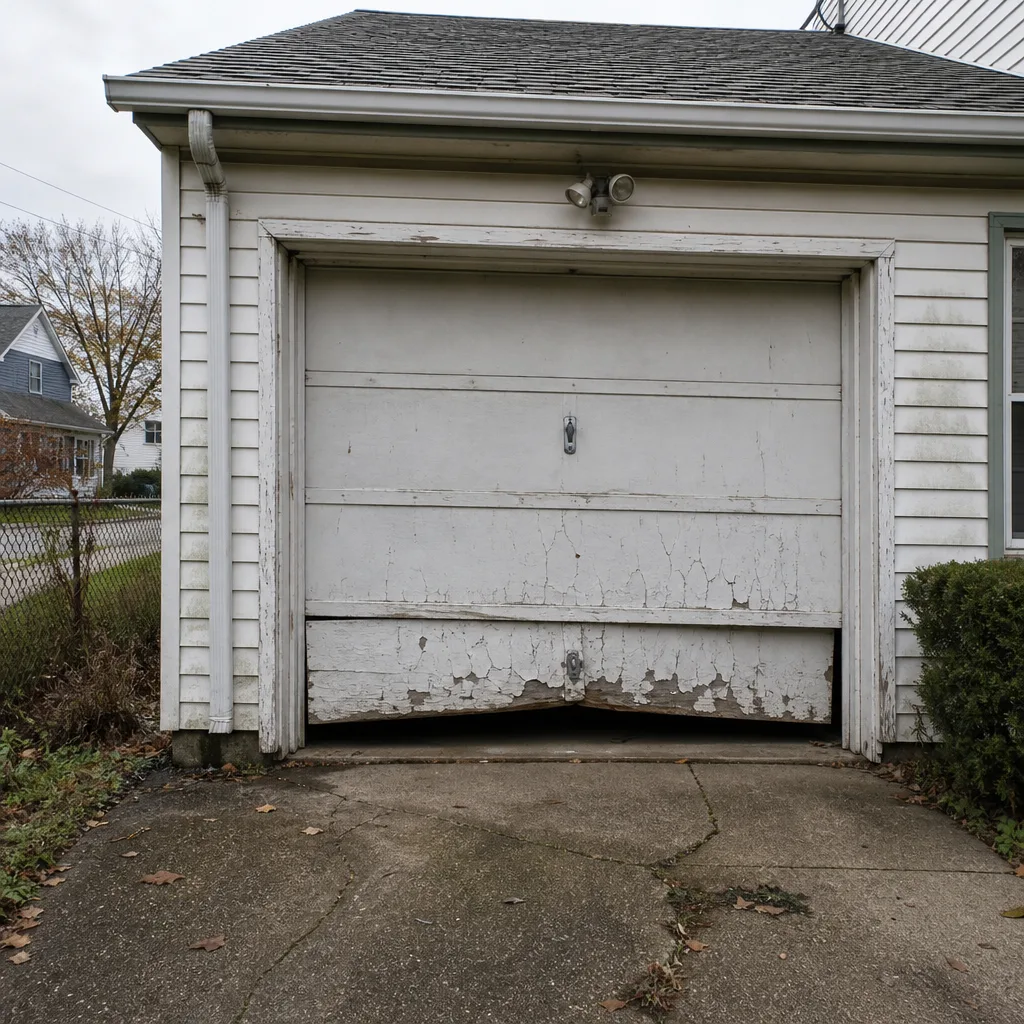 Before
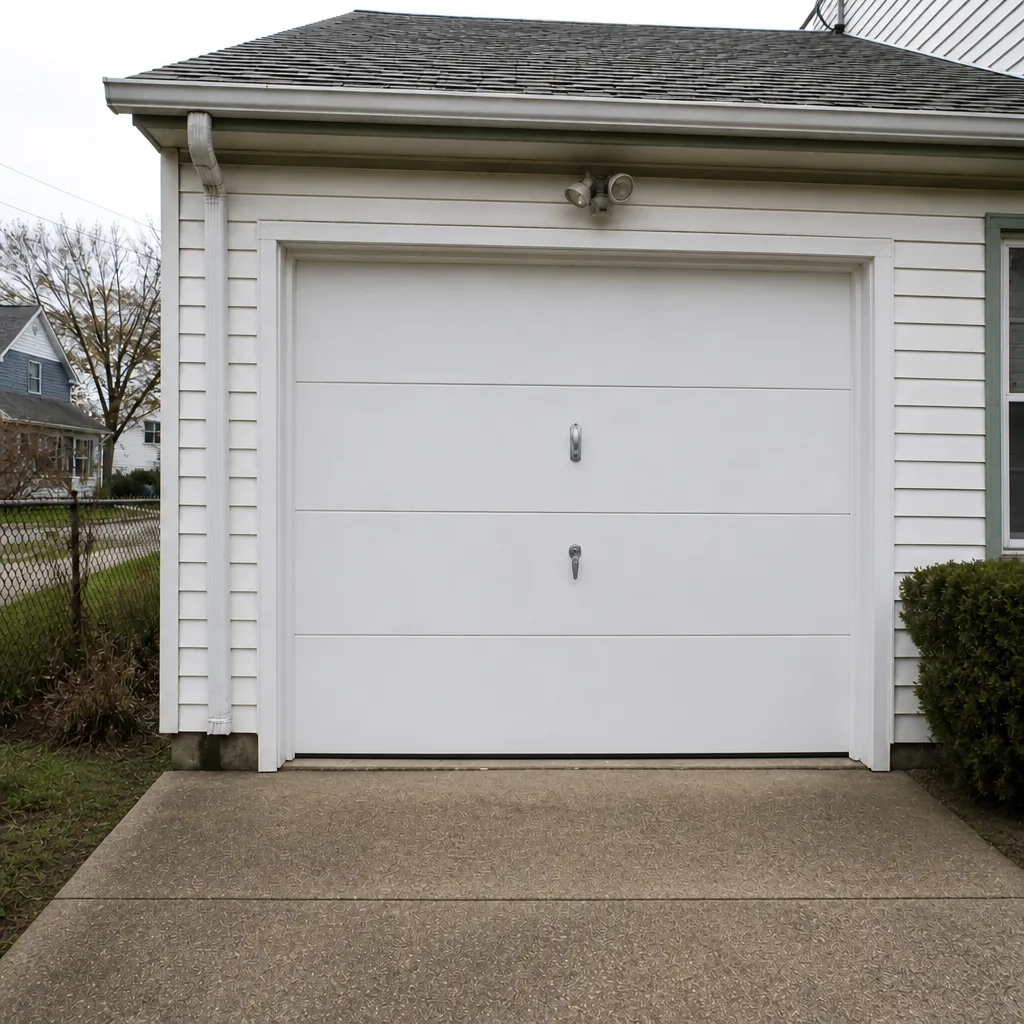 After
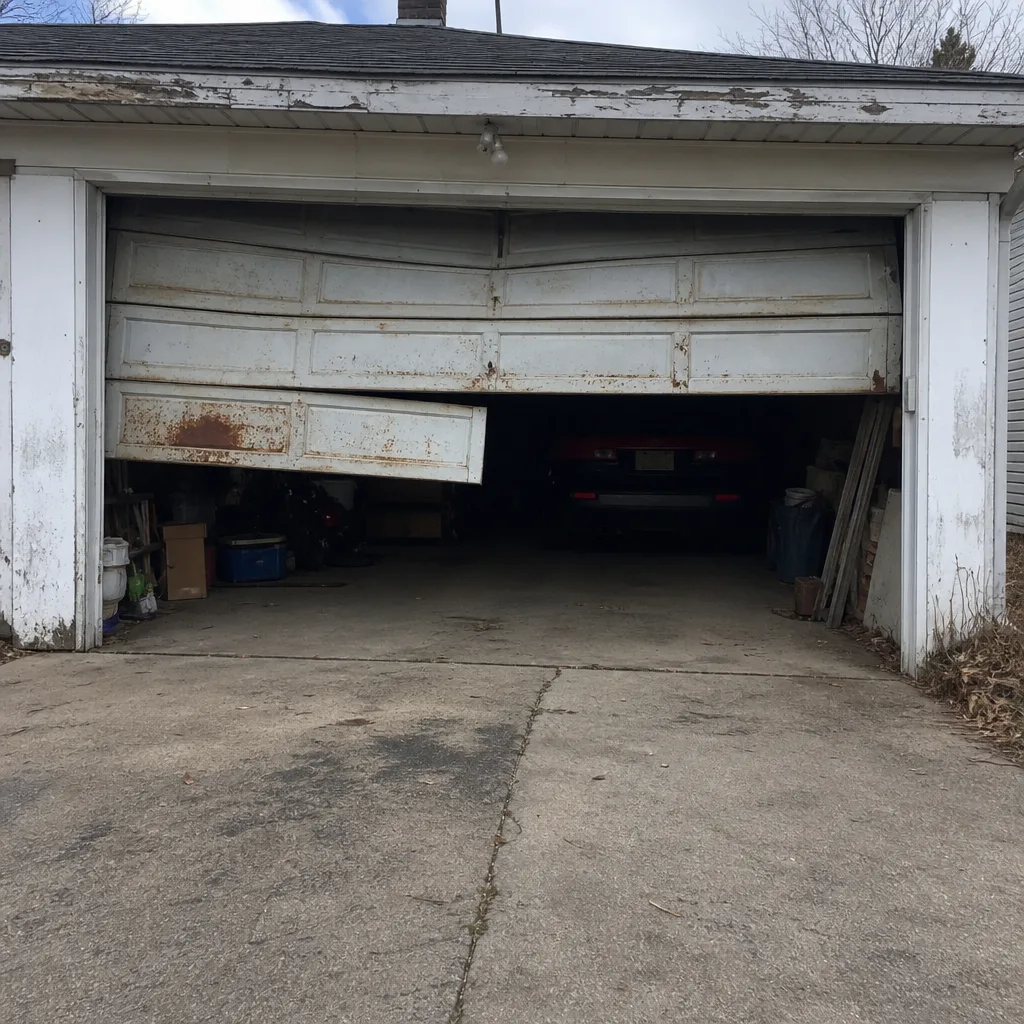 Before
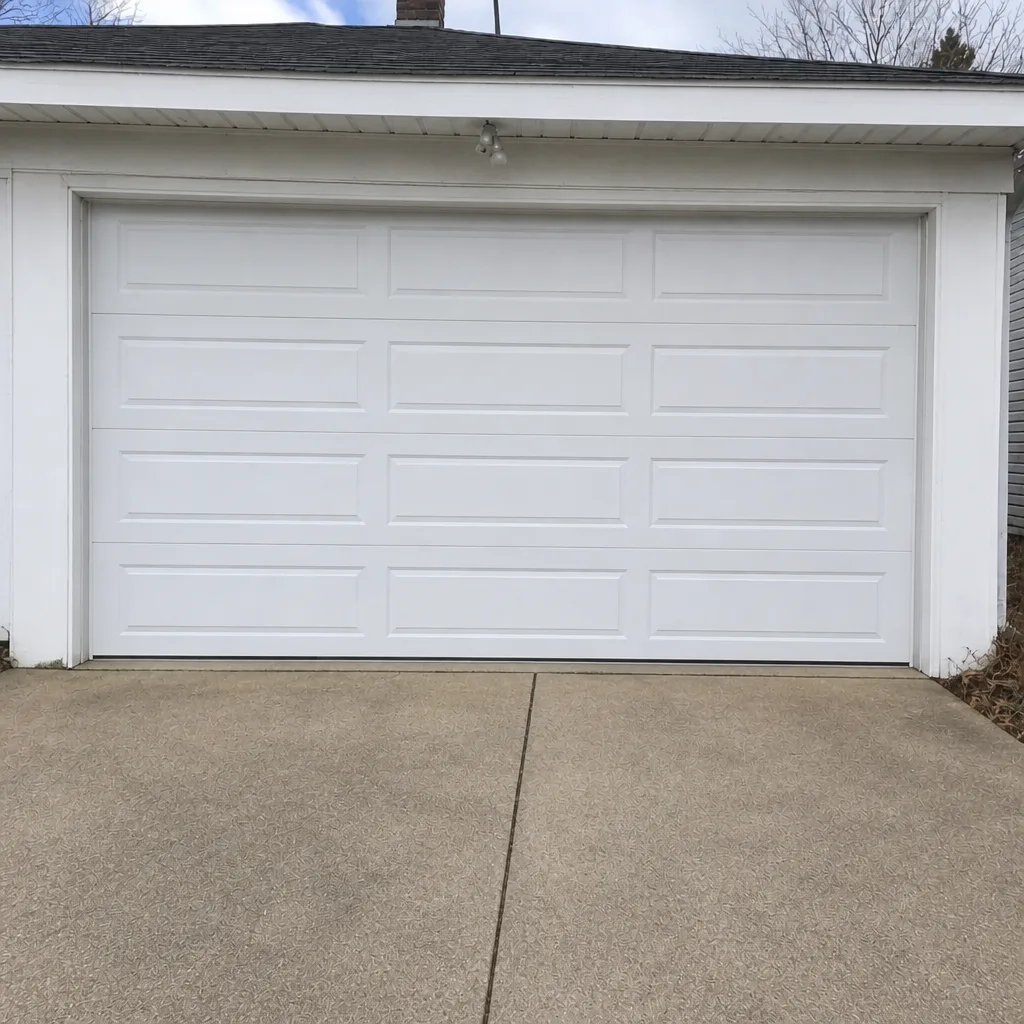 After
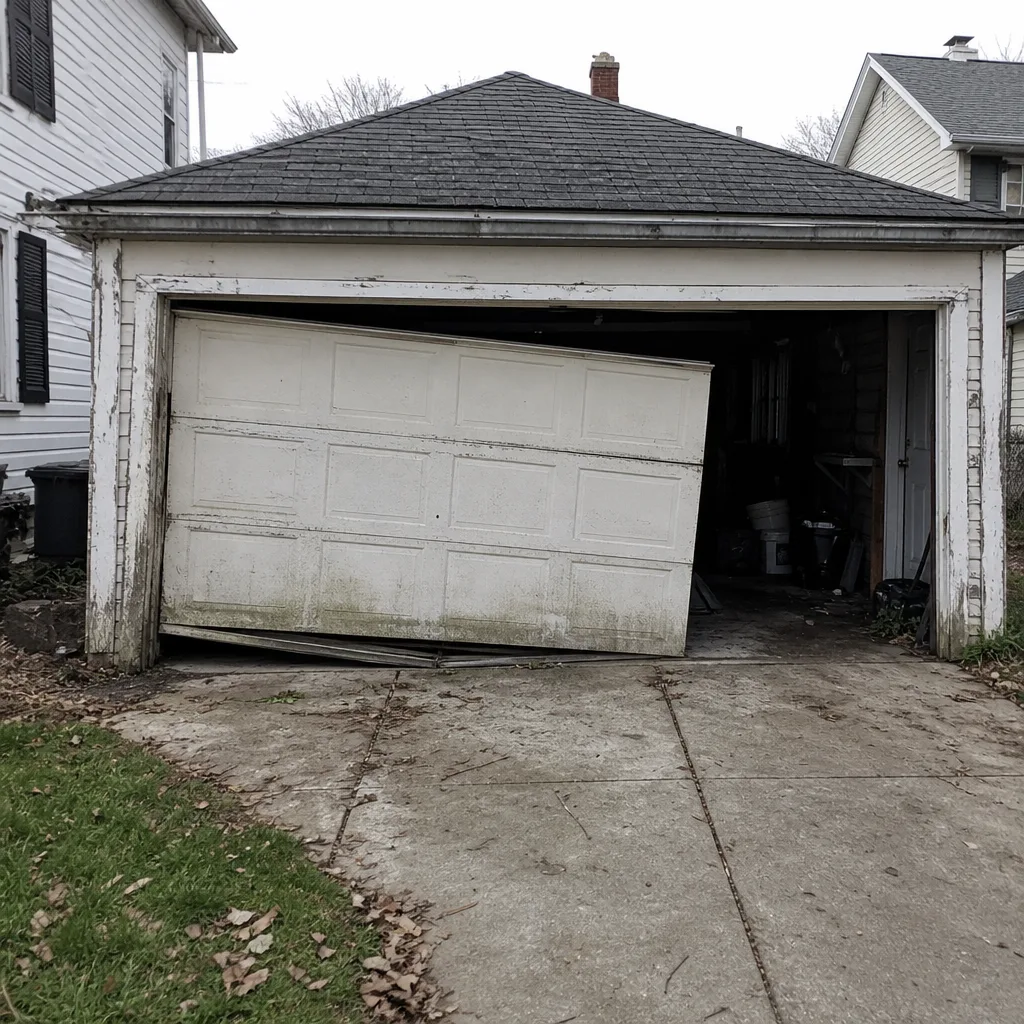 Before
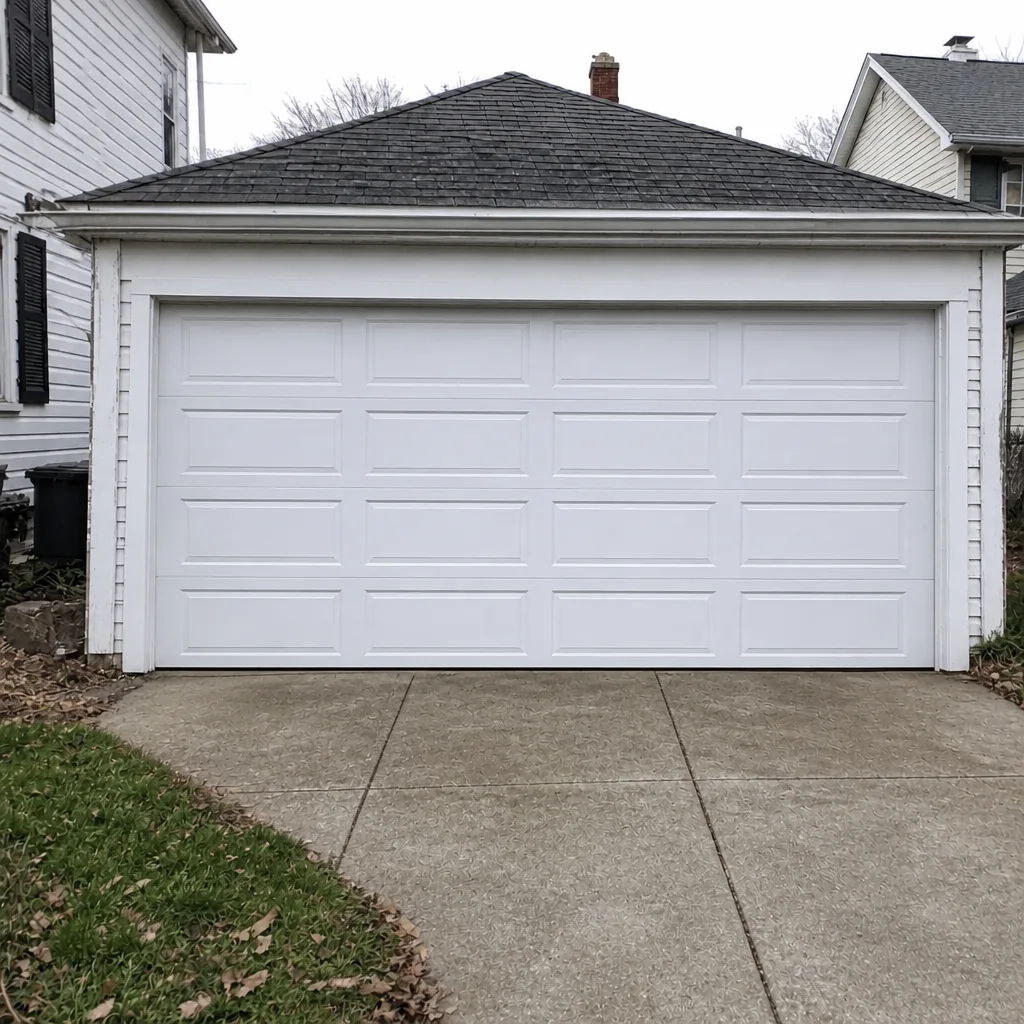 After
When to Call a Professional
Call a trained technician if you find a gap in a torsion spring, a frayed or rusted cable, a door that no longer balances after you disconnect the opener, a garage door that won’t move at all, or any issue on the two professional-only tasks above. Call us, too, if the door is at or near its expected spring life and you’d rather plan the replacement than gamble on it. If your opener is stuttering, grinding, or failing to reverse, it’s time for a look at the opener itself. Brand matters here: our technicians are experienced with LiftMaster, Chamberlain, Genie, Clopay, Amarr, Wayne Dalton, Craftsman, and Raynor systems, so there’s no guesswork on what you own, whether it’s a LiftMaster smart opener or an older Craftsman unit. Garage Door Repair Euclid offers free estimates in Euclid. Call (833) 726-1387.
Frequently Asked Questions
Twice a year is the right rhythm for most Euclid homes: a full lubrication-and-inspection pass in fall, before the cold, and a visual inspection in spring after the thaw. With those two visits and occasional spot checks, you’ll catch the wear patterns that lead to expensive repairs. Call (833) 726-1387 to book a maintenance visit.
Usually yes. Torsion springs on most doors are engineered to work as a matched pair and typically wear at the same rate, so replacing just the broken one leaves the older spring running under the strain of a new partner. A matched pair costs about twice the single-spring range, and it saves you a second service call. Call (833) 726-1387 for a written quote on your specific door.
No. WD-40 is a penetrating oil that evaporates off quickly, leaving the spring as dry as it was before you sprayed it. White lithium grease is the right choice for springs and hinges because it stays put on high-tension surfaces. For tracks and rollers, use silicone spray only. If your door is already squealing, call (833) 726-1387 to have it looked at.
Watch for a visible gap in a torsion spring, a stretched extension spring, a door that won’t balance when disconnected from the opener, or a door that feels much heavier than usual. Springs are rated around 10,000 cycles, which for a two-car family in Euclid works out to roughly seven to ten years, so age is a warning sign on its own. Call (833) 726-1387 if you’re seeing any of those signs.
Call us. A broken door during a cold stretch in Euclid is exactly the situation our emergency garage door service is set up for, especially if the door is stuck open and leaves the house unsecured or traps a car inside. We work on all the major brands, including Genie, Clopay, and Amarr, so we can identify the issue on arrival. Call (833) 726-1387.
Not if it’s done correctly, and in some cases brand warranties require periodic maintenance to stay valid. The bigger risk is DIY work on springs and cables, which most warranties don’t cover anyway. The safe plan is to do the eight safe maintenance tasks yourself and leave spring and cable work to a trained technician. Call (833) 726-1387 if your door hasn’t been serviced in a year or more.
The Bottom Line
A garage door isn’t a set-and-forget appliance. It’s a mechanical system with hundreds of moving parts under real load, and in a climate like Euclid’s, it moves through a full seasonal cycle of stress every year. The maintenance schedule that works is simple: a fall lubrication pass with weatherstripping checks, a spring inspection after the thaw, a summer hinge and hardware tightening, and a cycle count that tells you when your springs are due. Eight of those tasks you can do yourself. Two are always a technician’s job. Keep up with the first set and plan for the second, and you’ll spend far less time dealing with broken-door mornings.
Whether you need a pre-winter maintenance pass, a spring replacement planned ahead of failure, or help with a door that’s already down, call Garage Door Repair Euclid at (833) 726-1387 for a free estimate. We work on LiftMaster, Chamberlain, Genie, Clopay, Amarr, Wayne Dalton, Craftsman, and Raynor systems, from opener repair to full installation, and the price is quoted and agreed before any work starts.
Written by the team at Garage Door Repair Euclid.