Last updated November 22, 2026
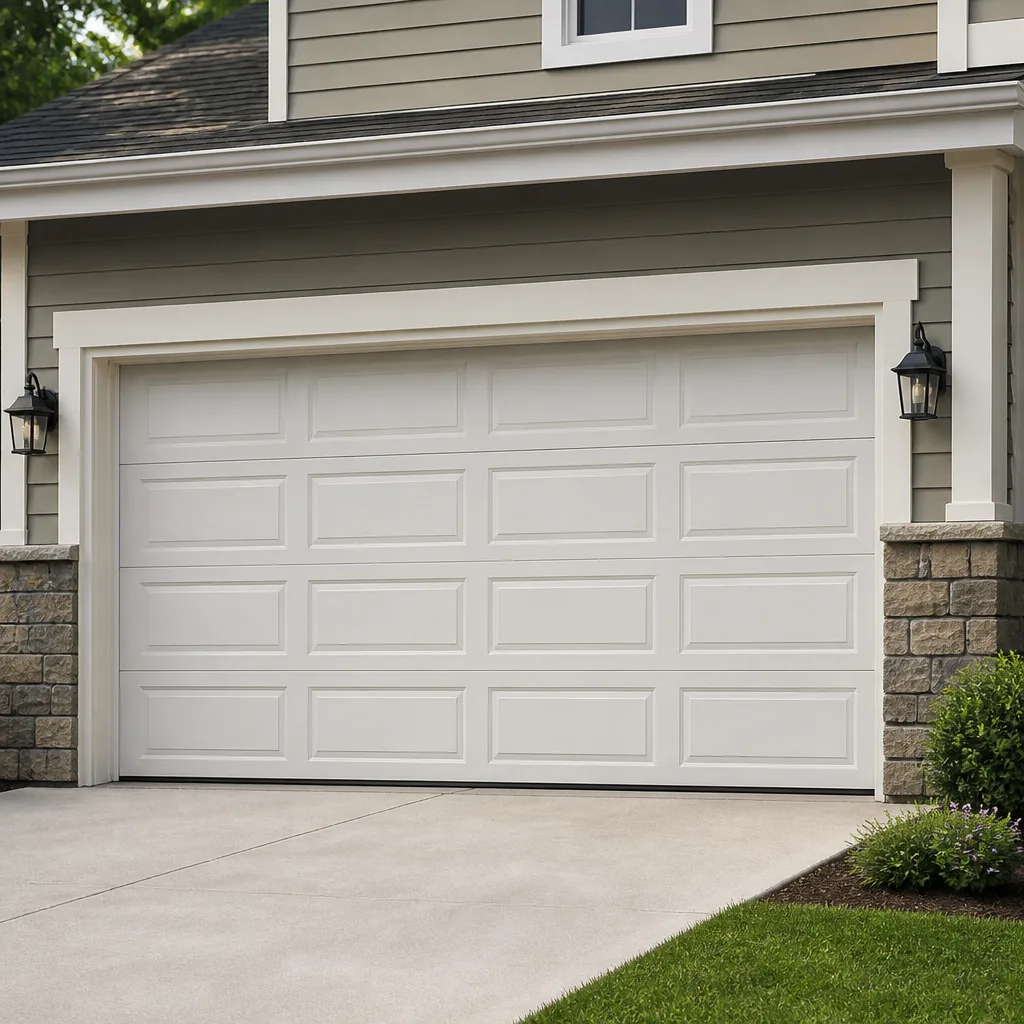 Raised-panel steel
 Carriage house
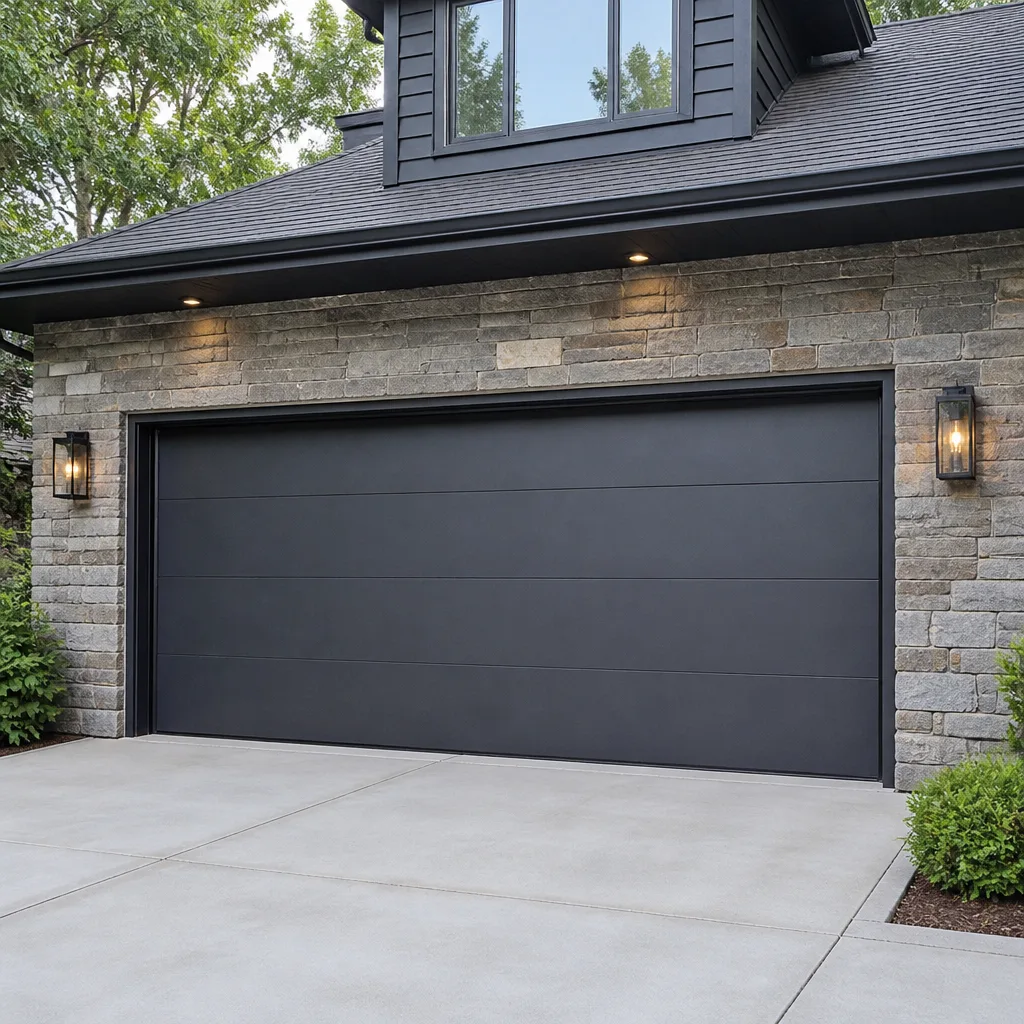 Modern flush
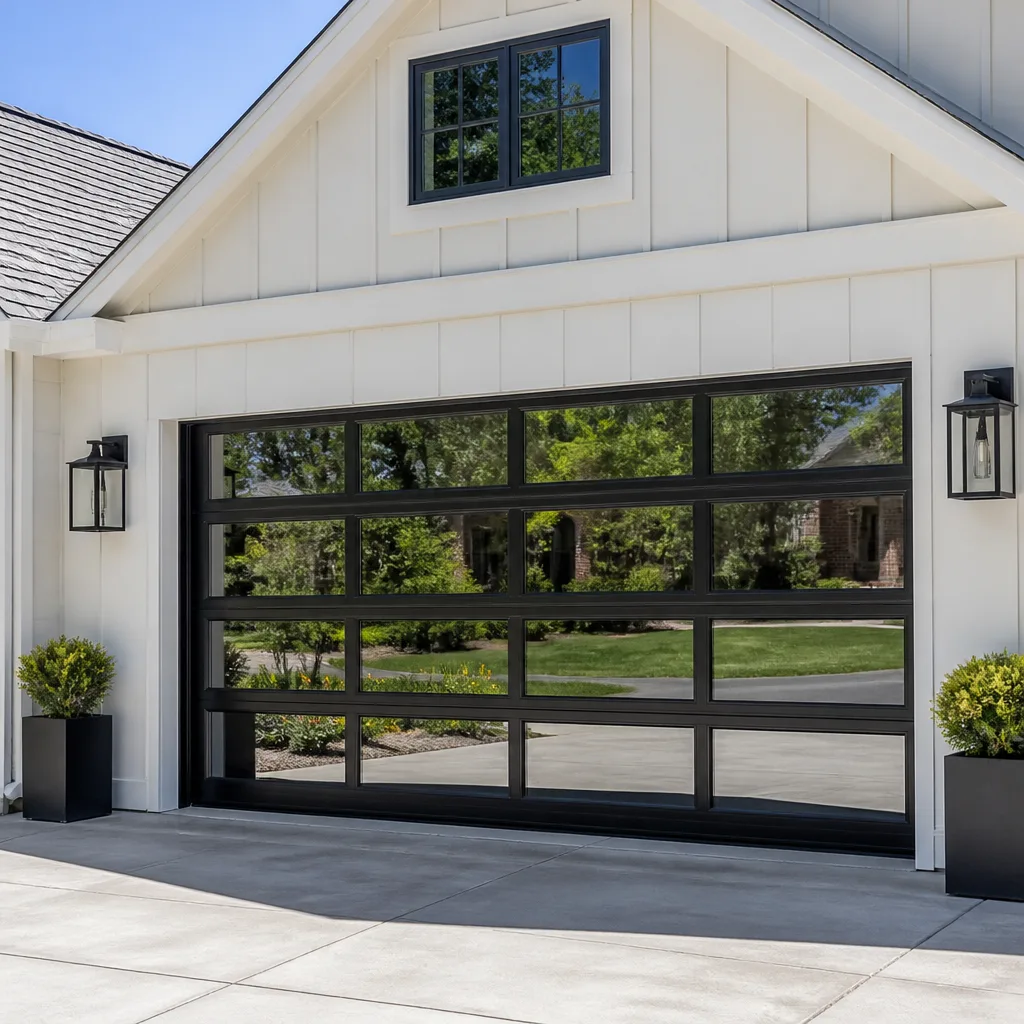 Full-view glass
 LiftMaster openers
 Chamberlain openers
Full 25-point door and opener safety check with every visit - springs, cables, rollers, tracks, and your LiftMaster or Chamberlain opener included
You get a price before we start. It does not change when the pro arrives.
Get your free estimateGarage Door Repair Maintenance Checklist for Euclid Homeowners
Most garage door advice tells you to lubricate everything twice a year and call it done. That misses the point. A door is a machine with four wear points that fail in a predictable order, and the checklist below is built to catch each one before it turns into an emergency. Here in Euclid, the seasonal swing inside a single garage matters more than any calendar rule: a heated garage above, a cold slab below, and a torsion spring that shrinks and tightens as the temperature drops. The single most common step homeowners skip is lubricating the torsion spring itself, and that’s exactly the piece most likely to snap in a Euclid January, when it’s already stressed from the cold. This guide walks you month by month through what to check, what to lubricate, and which findings mean “watch it” versus “stop using the door and call today.”
Quick Answer
A garage door maintenance checklist for Euclid homeowners covers three seasonal checks and one annual deep pass: test the balance, lubricate the torsion spring, hinges, and rollers, inspect cables and weatherstripping, and tighten all track and bracket hardware. Do the spring and balance check before winter, do the weatherstripping and threshold checks in spring, and do a full visual inspection of cables and rollers once a year. Any frayed cable, a door that won’t balance, or a spring with a visible gap means stop using the door and call a professional.
Styles & brands we work with
- Raised-panel steel
- Carriage house
- Modern flush
- Full-view glass
- LiftMaster openers
- Chamberlain openers
Table of Contents
- Why a Maintenance Checklist Matters More in Euclid Than You’d Think
- The Month-by-Month Euclid Maintenance Calendar
- How to Run a Balance Test (and What “Stays Put” Actually Means)
- Which Lubricant Goes Where: White Lithium vs. Silicone Spray
- The Ground-Level Visual Inspection Checklist
- Threshold Indicators: “Watch It” vs. “Call Today”
- Opener and Safety-Reverse Checks Most Homeowners Skip
- Common Mistakes to Avoid
- When to Call a Professional
- Frequently Asked Questions
Why a Maintenance Checklist Matters More in Euclid Than You’d Think
Euclid’s climate is a maintenance factor, not background scenery. The lake-effect snow and hard freezes that hit this part of northeast Ohio put real stress on the metal parts of a door system. Springs, cables, and hinges expand and contract through a temperature range that can swing from single digits in January to the upper 80s in July. That cycle works the steel harder than a milder climate would, and it’s the reason a door that felt fine in October can bind or snap a spring by February.
There’s a second local factor that has nothing to do with weather: the age of the housing stock. Euclid has a lot of older single-family homes with attached garages, and many of those garages still run on hardware installed decades ago, or on openers from a previous retrofit. If your door is a Wayne Dalton or a Raynor, or an older Craftsman chain drive, the parts are still serviceable but they need attention more often than a new system would. We work on those systems regularly, and the wear pattern on an older door tells you a lot if you know what to look for.
Maintenance is also a diagnostic tool. A door that suddenly needs more force to close, or one that reverses halfway down, is telling you something failed. If you catch it during a monthly check, you’re looking at a tune-up. If you catch it when the door won’t open and your car is trapped inside, you’re looking at an emergency call. The difference between those two outcomes is often one skipped step.
For homeowners who want a professional once-over rather than doing it themselves, our Garage Door Repair Euclid service covers the full inspection, and we’ll tell you straight what’s worn and what has years left.
The Month-by-Month Euclid Maintenance Calendar
A flat annual “lubricate twice a year” list doesn’t account for how a Euclid door actually ages. Here’s a schedule timed to the seasons, with the tasks that matter most in each window. You don’t need every tool on day one; a can of white lithium grease, a can of silicone spray, and a screwdriver cover most of it.
Late Fall (October – November): Pre-Winter Prep
- Run the balance test (covered below) and note the result. If the door feels heavy or drops, don’t wait for winter.
- Lubricate the torsion spring. This is the step most people skip, and it’s the one that helps most before a hard freeze.
- Lubricate hinges and rollers with white lithium grease.
- Check weatherstripping along the bottom and sides for cracks or gaps that will let cold air and meltwater in.
- Test the safety reverse with a solid object under the door.
Winter (December – February): Watch, Don’t Overwork
- Listen to the door on open and close. Grinding, squealing, or a popping sound is a signal, not normal noise.
- Check the springs visually from the ground for a gap or a coil that looks out of line.
- Clear snow and ice from the threshold so the door seats fully against the weatherstrip.
- If the door won’t close all the way, stop and call rather than forcing the opener.
Spring (March – April): Thaw and Reset
- Clean the tracks with a damp cloth and check for debris, grit, or bent sections.
- Re-lubricate moving parts now that the freeze cycle has passed.
- Replace cracked weatherstripping and check the bottom seal for a clean contact line.
- Re-run the balance test to see whether winter changed anything.
Summer (June – August): Full Inspection Window
- Do a complete ground-level cable, roller, and track alignment inspection.
- Check all bolts and brackets on the track and door panels for looseness.
- Test the opener force settings and photo-eye sensors.
- Lubricate again and note anything that has changed since spring.
This rhythm keeps the biggest stress points covered when they matter. It’s the same approach we use on garage door repair calls, and it’s adaptable to whatever brand and opener setup you have.
How to Run a Balance Test (and What “Stays Put” Actually Means)
The balance test tells you whether your springs are still doing their job. It’s simple to run and doesn’t require any tools, but the result needs interpreting correctly. A door that “stays put” at the halfway point isn’t automatically fine. What you’re really checking is whether the spring tension is matched to the door’s weight.
Here’s the procedure:
- Pull the manual release cord to disconnect the door from the opener. Do this with the door fully closed.
- Lift the door by hand about halfway and stop. Let go gently.
- A properly balanced door should stay roughly where you leave it. A door that sinks on its own tells you the springs aren’t lifting the weight anymore. A door that rises on its own tells you the springs are over-tensioned.
- Reconnect the opener and run the door up and down to confirm normal operation.
What “stays put” actually means: the spring tension balances the door’s weight at that point. If the door holds at halfway but slams down from the top, or stays up but drops from the bottom, the balance is off across the range even if one spot feels fine. That’s a spring problem, not a door problem.
A heavy-feeling door is often the first sign that torsion springs or extension springs are weakening, and it’s the most common reason homeowners wake up to a snapped spring. If the balance test shows the door is out of balance, that’s the moment to book a professional spring inspection. Our garage door spring repair service handles torsion and extension work, and it’s some of the most safety-critical work in this trade.
Which Lubricant Goes Where: White Lithium vs. Silicone Spray
White lithium grease and silicone spray are not interchangeable, and using the wrong one where it doesn’t belong causes problems. The short version: white lithium grease goes on metal that moves against metal, and silicone spray goes on rubber, plastic, and the tracks where you don’t want a sticky residue.
Use White Lithium Grease On:
- Hinges at the pivot points
- Roller bearings and the roller shafts
- The torsion spring (a light pass along the coils)
- Bearing plates and the stems where metal contacts metal
Use Silicone Spray On:
- Weatherstripping along the bottom and sides
- Rubber seals and any plastic components
- Tracks, applied lightly as a non-sticky film
Never Use:
- WD-40 or general household oil as a substitute for a proper lubricant. It attracts dust and gum up the rollers.
- Heavy grease on the tracks. It holds grit and the door will start to bind.
- Anything on the photo-eye sensors or their lenses.
Why the distinction matters: white lithium grease is thick enough to stay where it’s applied and protect metal-to-metal contact under load. Silicone spray dries to a dry film and doesn’t attract dirt, which is what rubber and plastic need. Put white lithium on weatherstripping and it will turn tacky and collect grit. Put silicone on a hinge bearing and it won’t protect against friction the way a proper grease will. The two products do two different jobs.
The torsion spring is the part people forget. It’s under constant tension, it’s the part that snaps first in cold weather, and a light coat of white lithium grease is one of the few things you can do from the ground that genuinely helps. Do that, and make sure you’re handling the spring only once a season, not repeatedly.
The Ground-Level Visual Inspection Checklist
Most of what you need to see is visible from the floor, and none of it requires climbing or reaching into the mechanism. Do this inspection once a year and after any long cold stretch. The goal is to catch the wear points that fail before they fail.
Cables
- Look at both cables on the sides of the door for fraying, kinks, or a bird-cage look where the wire has started to unwind.
- Check the drum at the top of each side for a cable that has jumped the groove or is sitting loose.
- Any fraying is a “call today.” A cable that fails under tension can snap and cause serious injury.
Rollers
- Look at each roller where it meets the track. A worn roller will have a flat spot, wobble, or a chipped edge.
- Nylon rollers should look smooth and round. Steel rollers should spin freely without a grinding feel.
- One or two worn rollers is a “watch it.” Several at once means replace the set.
Tracks
- Check that both tracks are straight and parallel. Look for bends, dents, or a section that has pulled away from the wall.
- Run the door up and down slowly and watch whether the rollers stay centered in the track or rub the edge.
- A track that is visibly bent or out of alignment is a “call today” – forcing the door will make it worse.
Hardware and Panels
- Check bolts and brackets along the track and at the panel hinges for anything loose.
- Look at the door panels for cracks, especially near the hinges and along the bottom section.
- Check the bottom seal for a clean line against the threshold.
If the visible findings look like more than you want to sort yourself, our team at garage door opener repair can also look at the opener side of things while they’re there, since most inspection visits cover the whole system.
Threshold Indicators: “Watch It” vs. “Call Today”
The most useful skill in this whole checklist is knowing the difference between a finding to note and a finding to act on. Here’s the split we use, based on what actually separates a maintenance call from an emergency call.
Watch It (Note It, Re-Check Next Month)
- Slight squeaking on open or close
- A single worn roller or two
- Minor weatherstripping cracks
- Loose bolts you can tighten with a screwdriver
- A door that needs slightly more force than it used to
- A small amount of play in the door panel
Call Today (Stop Using the Door)
- Any frayed cable, kink, or cable that has jumped the drum
- A broken or gap-visible torsion spring
- A door that falls or free-falls when you let go of it
- A visibly bent or misaligned track
- A door that won’t close all the way or reverses on its own
- A grinding or popping noise that wasn’t there before
- An opener that runs but the door doesn’t move
The distinction is about the consequence of failure. A squeak is noise. A frayed cable is a snapped cable, and a snapped cable under tension can whip and injure someone standing nearby. A spring that’s lost tension is a door that’s being held up by the opener motor instead of the spring, and that’s the failure mode that snaps a door down hard. Treat the “call today” list as a stop-use signal. Call (833) 726-1387, and we’ll get a technician out to take a look before something worse happens.
Opener and Safety-Reverse Checks Most Homeowners Skip
The opener is the most overlooked part of a maintenance checklist because it’s the part that didn’t break. But the opener has its own wear points, and the safety-reverse feature is the one that has to work every time. Test it monthly.
Safety-Reverse Test
- Open the door fully, then start it closing.
- Place a solid object (a 2×4 or a brick) in the path of the door near the floor.
- The door should reverse on contact with the object. If it doesn’t, the force settings or sensors need adjustment.
- Also check the photo-eye sensors: wave an object in front of each lens while the door is closing, and it should stop and reverse.
Force Settings
Most openers have a force adjustment on the motor housing, and the correct setting is the lowest one that still moves the door smoothly. If you’ve had to raise the force to get the door to close, that’s a sign the door itself is binding, and the fix is on the door, not the opener.
Noise and Speed
A chain drive will have some mechanical noise, but a grind or a pop is not normal for a Wayne Dalton opener or a LiftMaster. If your opener is a LiftMaster with myQ or a Genie with Aladdin Connect, check that the app still shows the door opening and closing normally, and that you’re not getting a repeated “door obstructed” flag. Those smart features are useful early-warning signals.
When the opener itself is the problem, a professional can diagnose whether it’s a logic board, a capacitor, a gear, or a limit switch. Our opener service covers LiftMaster, Chamberlain, Genie, and Craftsman systems, including smart-home-compatible models and older units. If you’re not sure whether your opener is failing or your door is binding, that’s a good reason to book an inspection and let a technician sort it out rather than guessing.
Common Mistakes to Avoid
- Skipping the torsion spring when lubricating. This is the single most common omission we see, and it’s the part that’s most likely to fail in a Euclid cold snap. A light coat of white lithium grease on the spring is the highest-value minute you’ll spend.
- Using WD-40 on rollers and hinges. It’s a penetrating oil, not a lubricant, and it attracts dust that turns into grit. Use white lithium grease on metal-to-metal and silicone spray on rubber.
- Climbing up to adjust the springs yourself. Torsion and extension springs are under extreme tension. A mistake can cause serious injury, and there’s no safe way to work on them from a ladder. Leave this to a trained technician.
- Forcing a door that won’t close. When the door reverses or won’t seat, the problem is usually a track, spring, or sensor issue. Forcing it with the opener or by hand wears the mechanism and can turn a maintenance visit into an emergency.
- Ignoring a door that’s getting heavier. It’s the earliest sign of spring fatigue, and it’s exactly when a tune-up is cheap. Wait and it becomes a broken spring.
- Letting weatherstripping degrade through winter. A cracked bottom seal lets in meltwater and cold air, and it puts a frost line against the threshold. Replace it in fall, not spring.
- Assuming a new door needs no maintenance. New doors still need lubrication and balance checks, especially through their first winter, while the hardware settles.
When to Call a Professional
Call a professional when the finding is on the “call today” list: a frayed cable, a snapped or gap-visible spring, a door that won’t close or reverses on its own, a bent track, or an opener that runs without lifting the door. Also call if you’re not sure what you’re seeing. A technician can tell you in a few minutes whether it’s a maintenance item or a repair, and that’s a safer bet than a homeowner guessing at a spring’s condition from the floor.
Some jobs are best left to a professional even when the door is working. A balance test that shows the door out of balance, an opener that needs force adjustments beyond the normal range, or any work on the torsion spring itself should be handled by a trained technician. Garage Door Repair Euclid offers free estimates in Euclid, and our technicians have up to 14 years of experience with LiftMaster, Chamberlain, Genie, Clopay, Amarr, Wayne Dalton, Craftsman, and Raynor systems. Call (833) 726-1387 for an estimate, and we’ll look at the whole door, not just the part you called about.
Frequently Asked Questions
Twice a year is the standard answer, but in Euclid it makes sense to lubricate moving parts in late fall before the freeze and again in spring after the thaw, and to put a light coat of white lithium grease on the torsion spring once a season. That gets you three spring passes a year, which is the part most likely to fail in cold weather. Call (833) 726-1387 if you’d rather have a technician do it and check the rest of the system at the same time – estimates are free.
It means the spring tension is uneven or weakening across the door’s range, even though one position feels balanced. The door holding at halfway is normal, but a door that slams from the top is a spring problem – the springs aren’t counterbalancing the door’s weight through the full travel. Stop using the door and have a professional look at it, since that’s the condition that snaps a cable or a spring. Call (833) 726-1387 for an evaluation.
No. WD-40 is a penetrating oil, not a proper lubricant, and it attracts dust that turns into grit on the rollers. Use white lithium grease on the roller bearings and hinge pivots, and silicone spray on the weatherstripping and tracks. If the rollers already feel gritty, they may need cleaning or replacing before lubrication will help.
That pattern usually points to a binding track, a failing opener force setting, or a door that’s out of balance and too heavy for the opener to lift. It’s not something to keep testing – each cycle adds wear. Book a service call and let a technician diagnose whether it’s the opener, the spring, or the track. Call (833) 726-1387 and we’ll take a look.
Not necessarily. Bottom seals and side weatherstripping are one of the few garage door items a homeowner can replace from the floor with a screwdriver and the right-size seal. What you should not touch is any part that’s under tension – cables, springs, and the drums – and any track adjustment that requires reaching above head height. If the job involves any of those, call a professional.
The most visible sign is a gap in the coil, a spring that looks out of line, or a door that suddenly feels much heavier than it did. A popping or snapping sound is another warning. Torsion springs don’t have a visible wear indicator the way a tire does, so the balance test is your best early signal. If the door is out of balance or the spring looks wrong, stop using the door and call (833) 726-1387 – spring replacement is safety-critical work and not a DIY job.
The Bottom Line
A garage door maintenance checklist is a failure-prediction tool, not a chore list. The steps that matter most in Euclid are the ones that catch spring fatigue before it snaps in a cold snap, the ones that spot a frayed cable before it fails under tension, and the ones that keep the opener’s safety reverse working every time. Lubricate the torsion spring each season, run the balance test before winter, do a full ground-level cable and roller inspection once a year, and use white lithium grease and silicone spray where each one belongs. Any finding on the “call today” list is a stop-use signal. For everything else, keep an eye on it and re-check next month.
If you’d rather have a professional do the full pass, call (833) 726-1387 for a free estimate. We’ll inspect the door, the springs, the cables, and the opener, and tell you what needs attention now and what can wait.
Written by the team at Garage Door Repair Euclid.
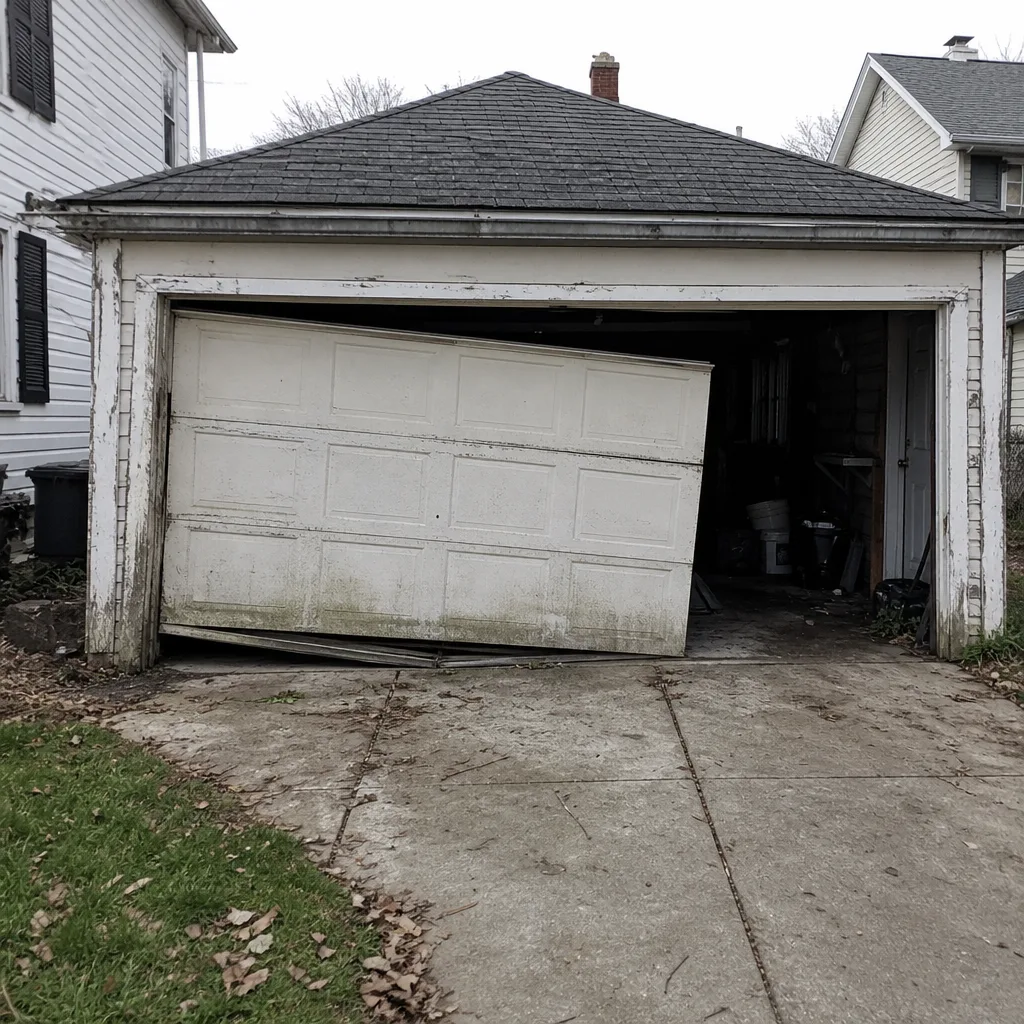
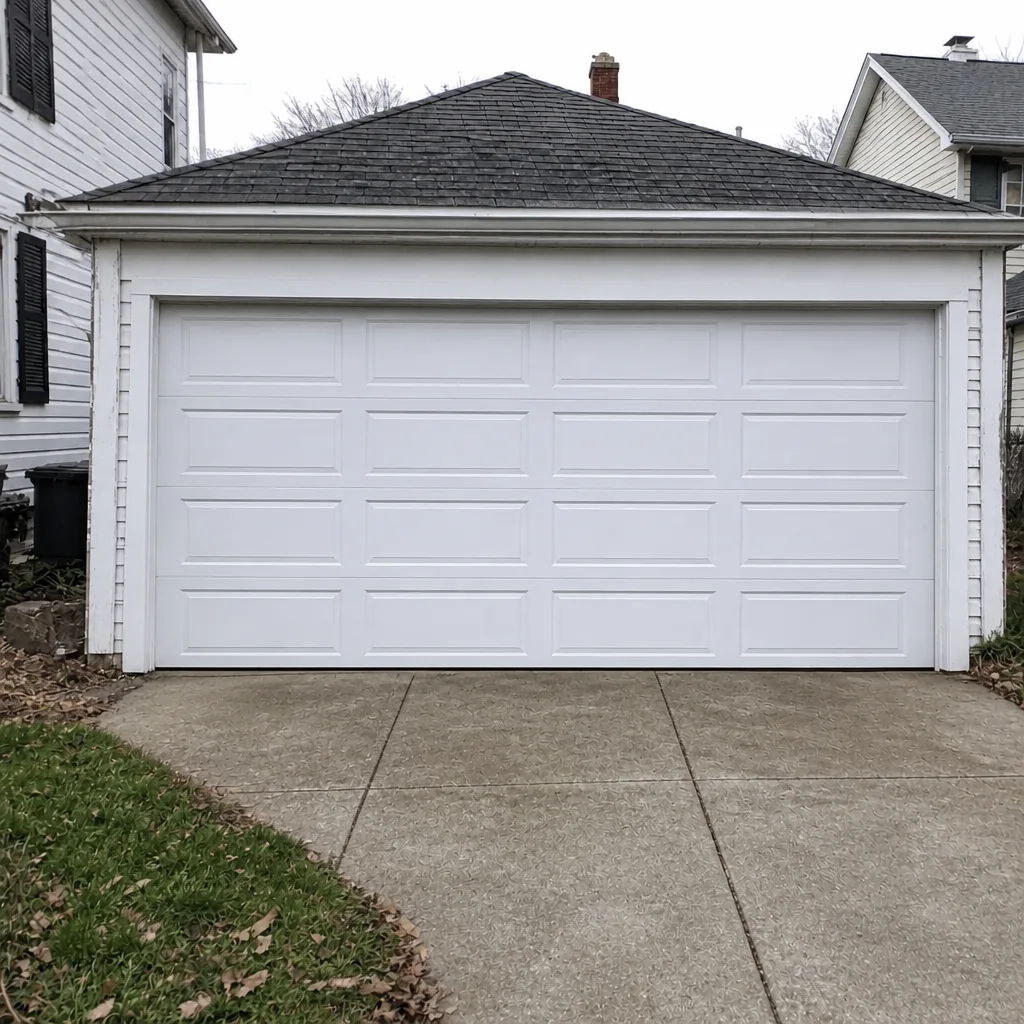
See the difference
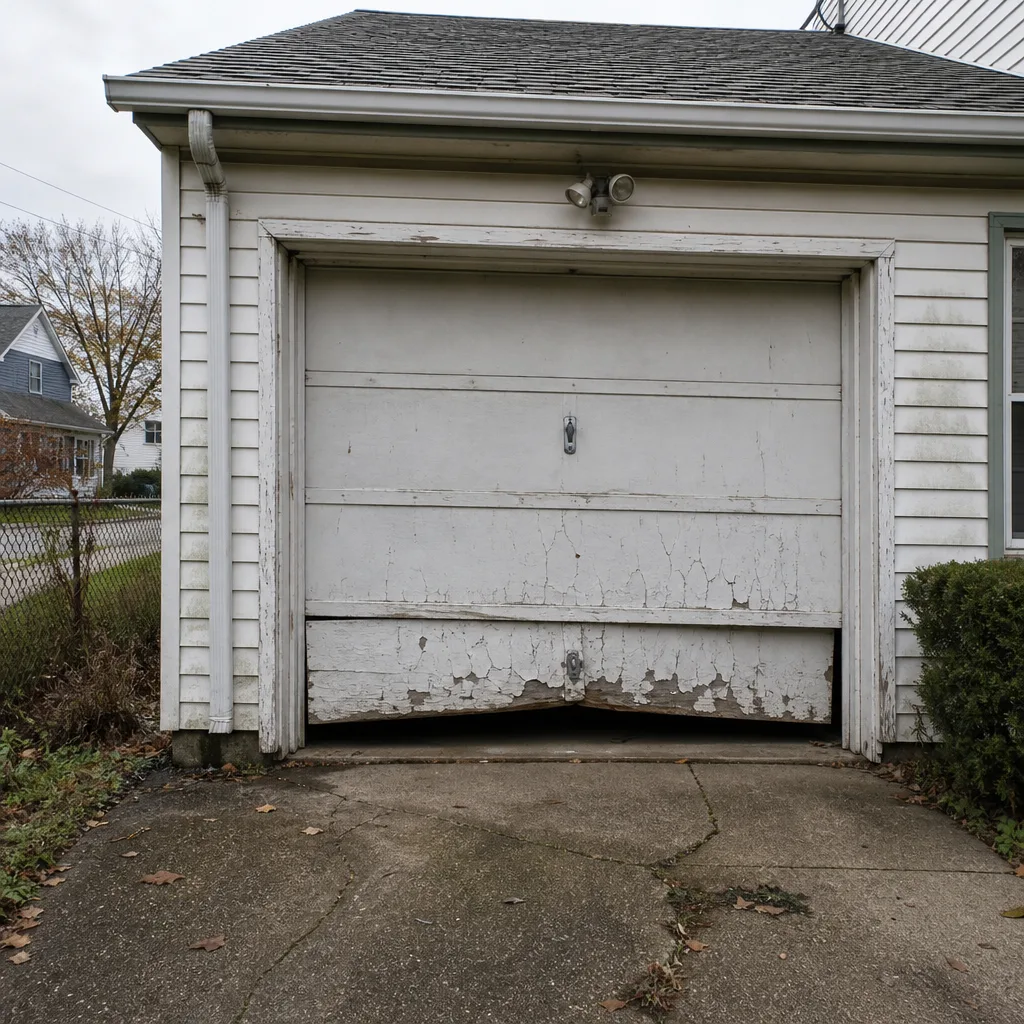 Before
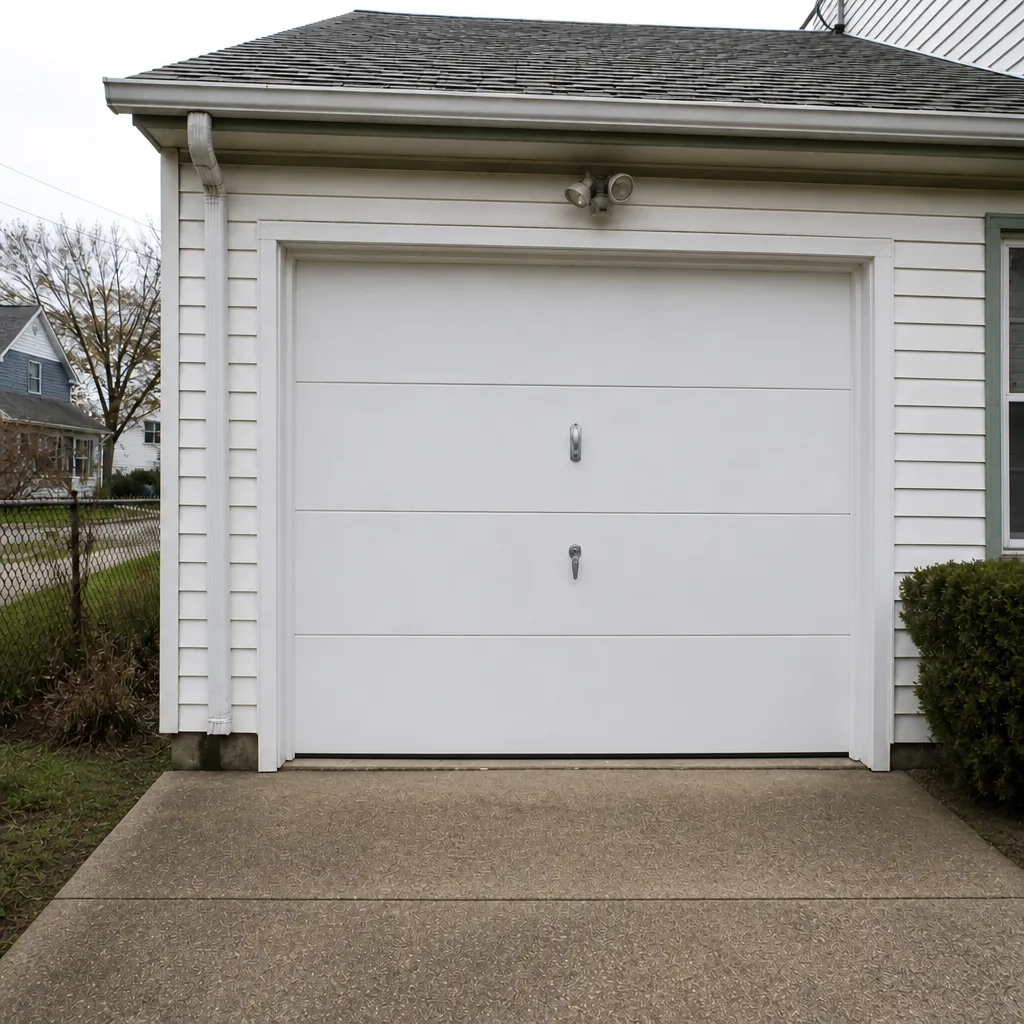 After
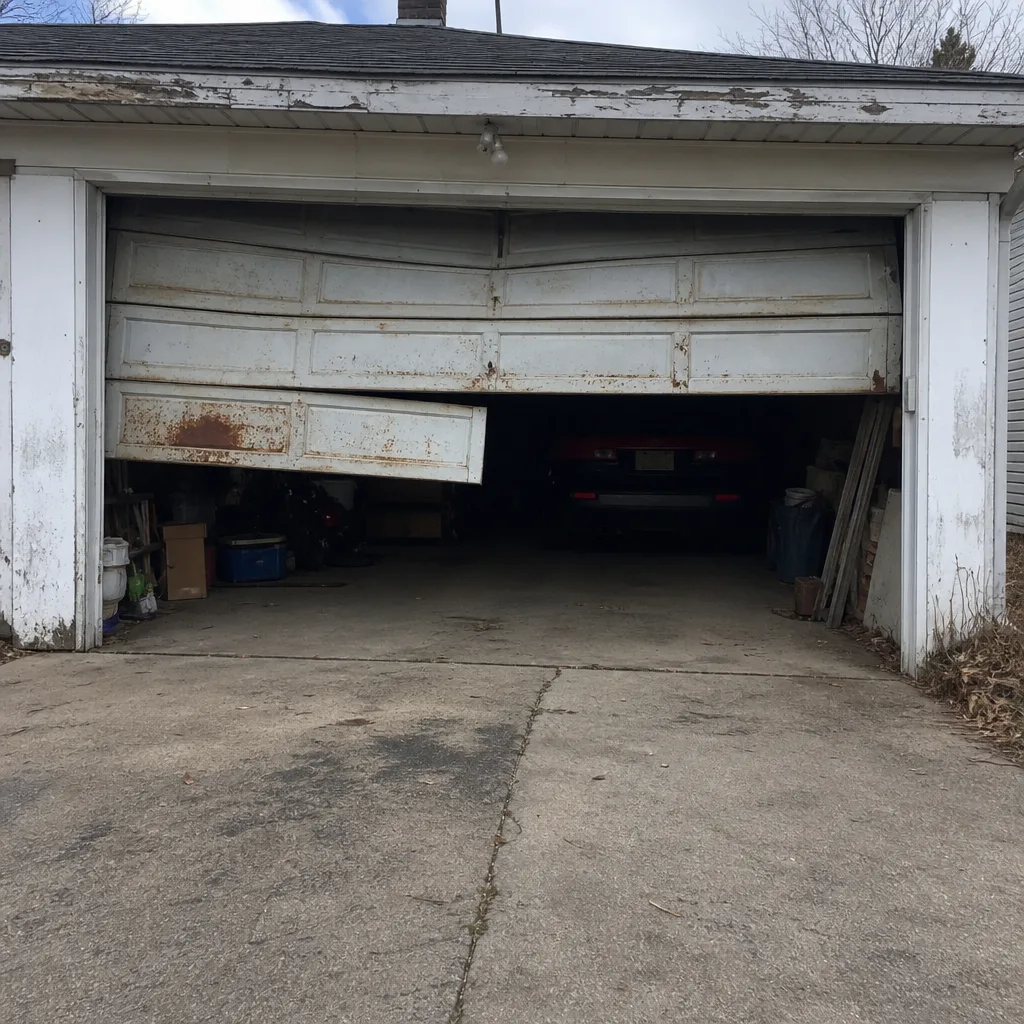 Before
 After
 Before
 After