Last updated November 22, 2026
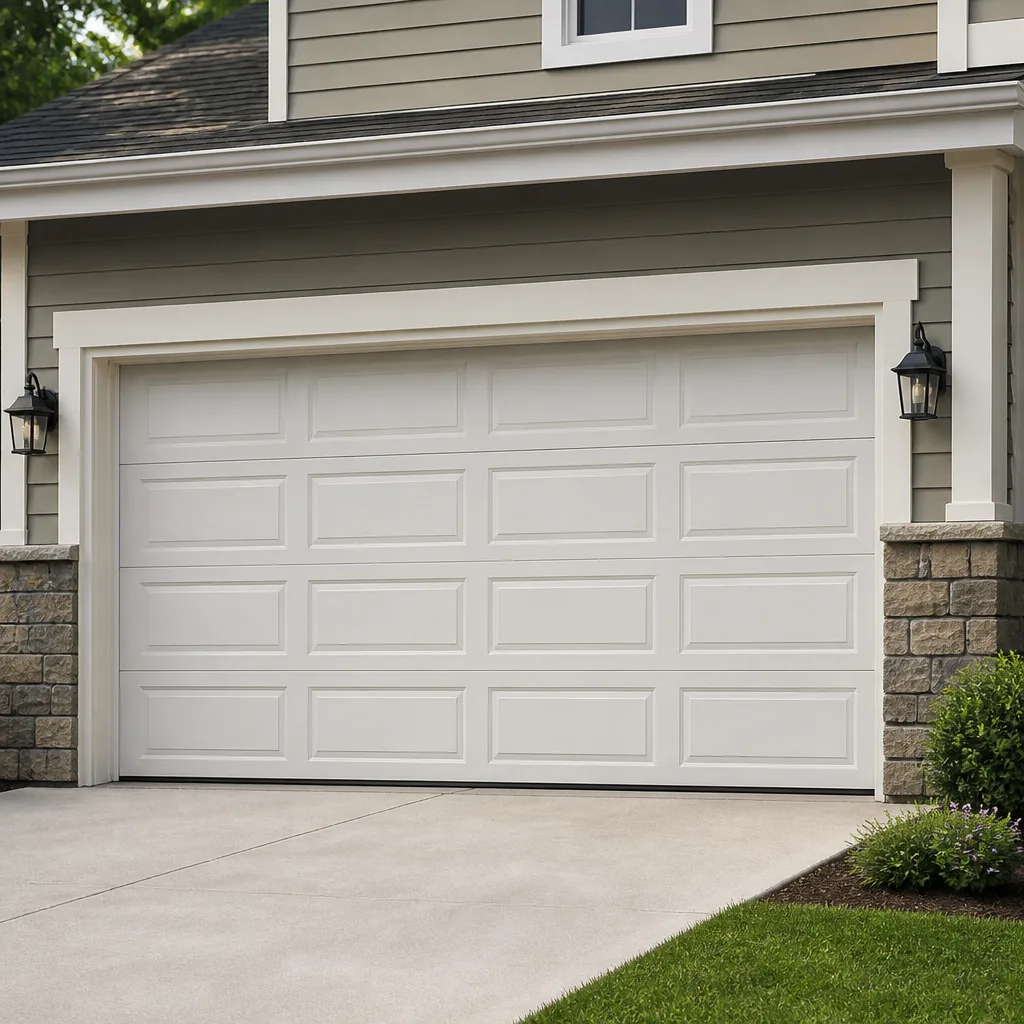 Raised-panel steel
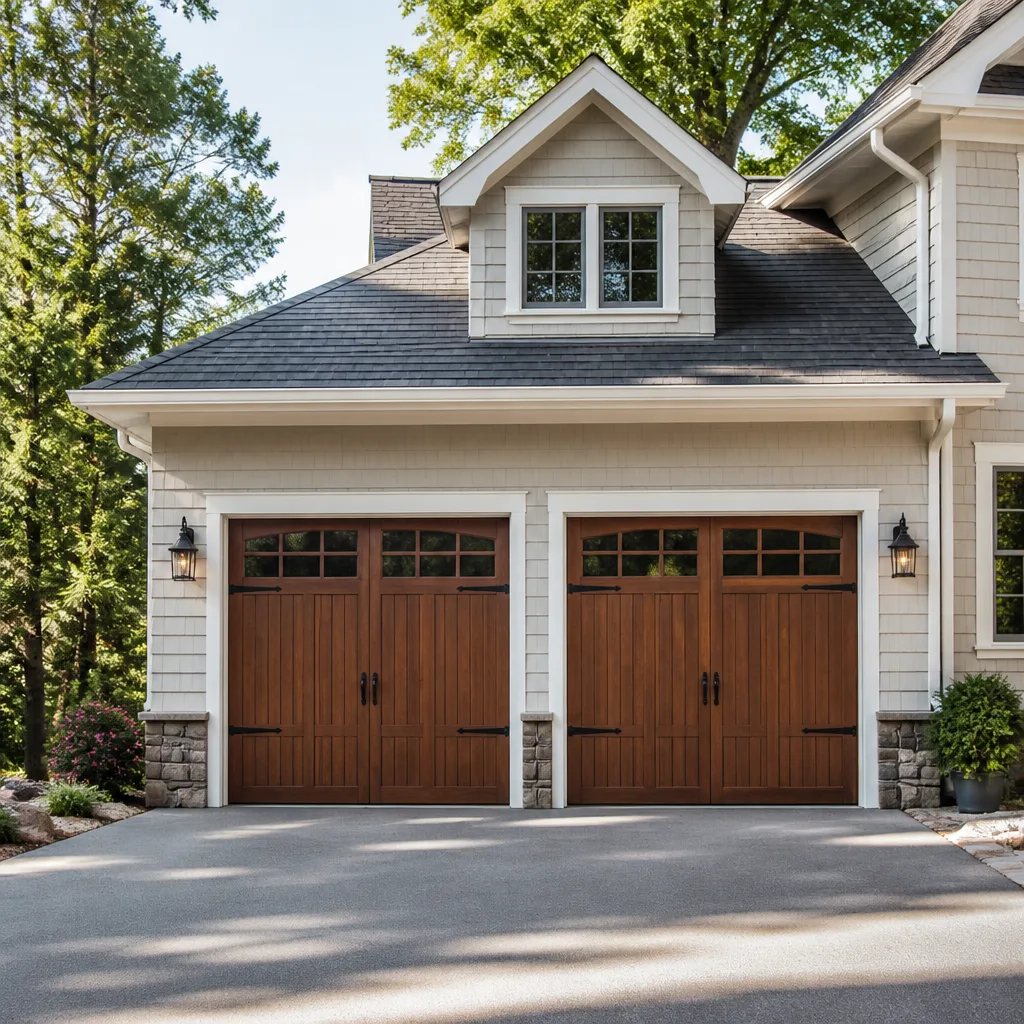 Carriage house
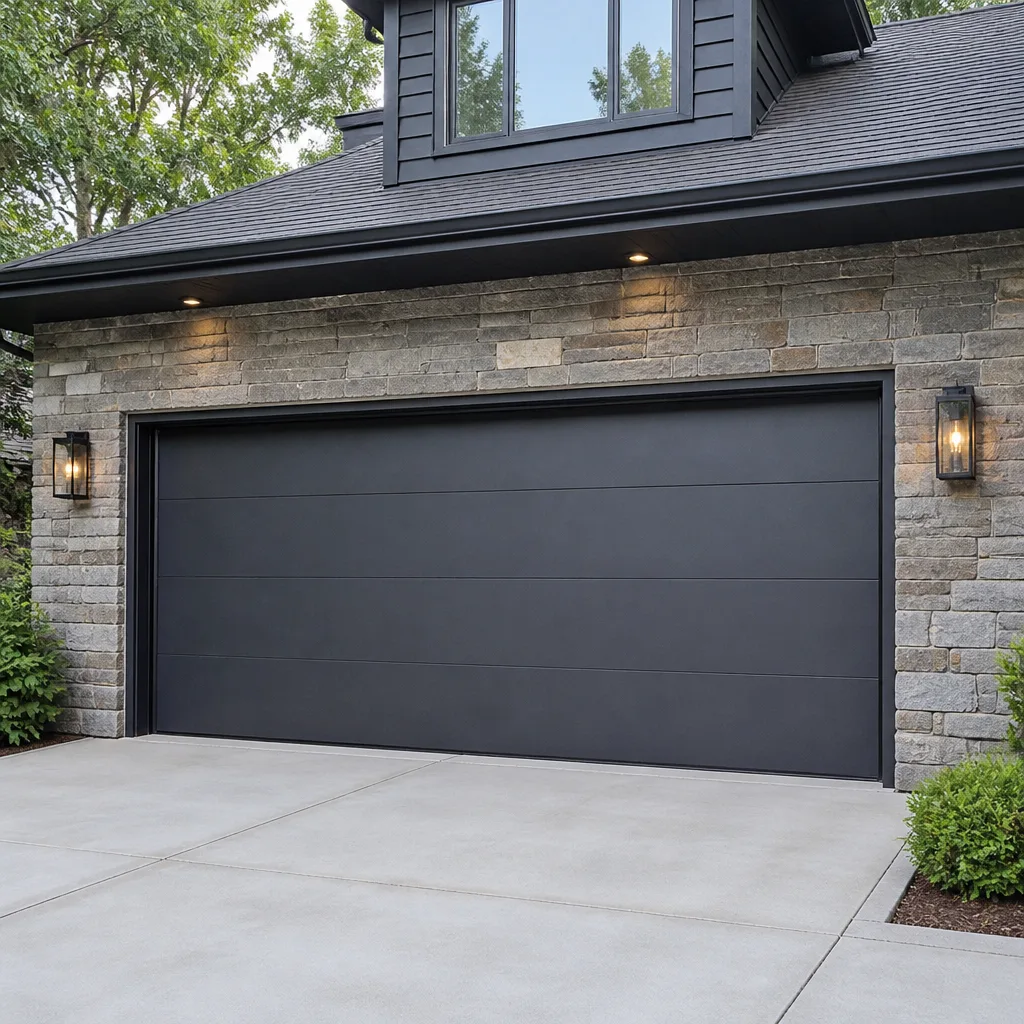 Modern flush
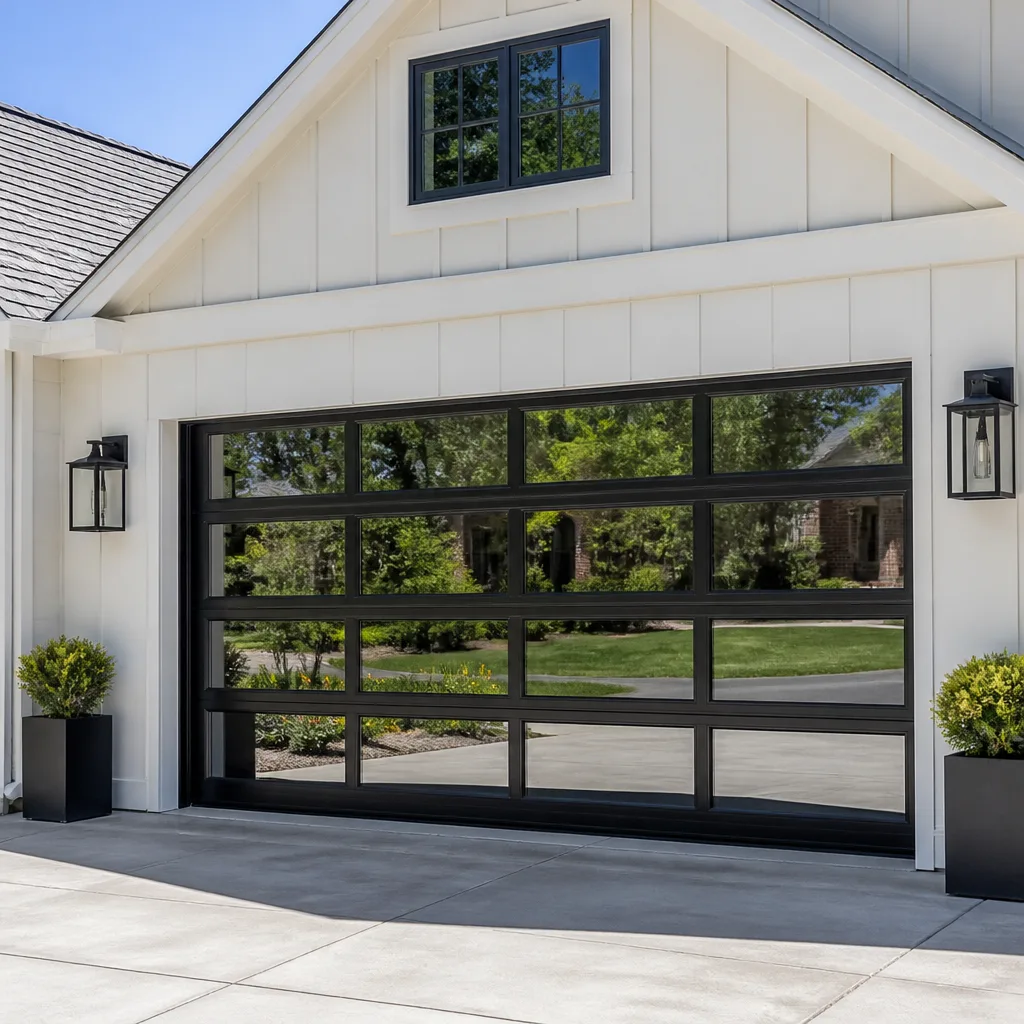 Full-view glass
 LiftMaster openers
 Chamberlain openers
Full 25-point door and opener safety check with every visit - springs, cables, rollers, tracks, and your LiftMaster or Chamberlain opener included
You get a price before we start. It does not change when the pro arrives.
Get your free estimateGarage Door Permits, Codes & Inspections in Euclid, OH: What You Need to Know
Most homeowners assume a permit is only for big structural projects. A garage door replacement feels like a swap, not construction, so the paperwork never crosses anyone’s mind. That assumption can cost you years later. If you replaced a door without the right permit and a buyer’s inspector flags it during closing, you’re looking at a retroactive inspection, delays, or a renegotiated sale price on a job that cost about $900 to begin with. In this guide, we’ll walk through exactly when Ohio Residential Code and Euclid city ordinance require a permit, how the process actually works in Euclid, what inspectors look for, and the code point most homeowners have never heard of: fire-rated doors between an attached garage and the living space.
Quick Answer
In Euclid, OH, a full garage door replacement, any change to the opening, and most structural or electrical modifications require a permit and an inspection, while routine repairs like spring swaps or opener replacement generally do not. The permit comes from the City of Euclid’s building department, and the inspection confirms the door, track and safety features meet Ohio Residential Code. Pulling the permit before the job protects you at resale; skipping it can surface during a title search or a buyer’s inspection.
Styles & brands we work with
- Raised-panel steel
- Carriage house
- Modern flush
- Full-view glass
- LiftMaster openers
- Chamberlain openers
Table of Contents
- When does a garage door project need a permit in Euclid?
- How do you pull a garage door permit in Euclid?
- What inspectors actually check in Cuyahoga County
- Fire-rated doors between the garage and your home
- How unpermitted work shows up at resale
- Repair vs. replacement: where the line falls
- Choosing a contractor who handles the paperwork
When does a garage door project need a permit in Euclid?
A permit is required when you replace the whole door or change the opening itself; a permit is usually not required for a same-size repair or an opener swap. That’s the short version. The longer version matters because Euclid’s housing stock is varied, and the rules apply to each situation a little differently.
Here’s how we break it down for Euclid homeowners:
- Full door replacement: A new door, whether it’s a Clopay steel model or an Amarr carriage-style door, counts as replacing a building component and typically requires a permit. The inspector will want to see that the new door meets wind-load and safety requirements for the opening.
- Changing the opening size: Widening or heightening a garage door opening is structural work. It always requires a permit and often an engineered drawing that shows the header and framing are adequate for the new span.
- Adding a new garage door where there wasn’t one: This is new construction and requires a permit plus a full inspection sequence.
- Torsion or extension spring replacement: A straight spring-for-spring swap is a repair, not a structural change, and typically doesn’t need a permit. It’s still safety-critical high-tension work, so it’s the kind of job we handle with proper tools and technique rather than treating it as a quick fix.
- Opener replacement or repair: Replacing a LiftMaster, Chamberlain, Genie or Craftsman opener in the same location and on the same circuit is generally a repair and doesn’t require a permit. Running a new dedicated circuit to the opener does, because that’s electrical work.
- Track, roller, cable and panel repairs: Routine repairs that keep the existing door in place don’t require a permit.
The dividing line is whether the work changes the building envelope, the structure, or the electrical system. Repairs restore what’s there. Replacements and alterations change it. When in doubt, the safest move is to call Euclid’s building department and describe the exact scope. A two-minute phone call saves weeks of complications later, and we’d rather you ask than guess.
For homeowners wondering whether their issue is even in permit territory, the answer usually starts with a diagnosis. Our Garage Door Repair Euclid page covers the common failure types so you can tell the difference between a repair and a replacement before you call anyone.
How do you pull a garage door permit in Euclid?
You pull a garage door permit in Euclid by submitting an application to the City of Euclid’s building department, paying the required fee, and scheduling the inspection before the job is closed out. The contractor usually handles this on the homeowner’s behalf, but as the property owner you’re the one who ultimately owns the permit record, so it’s worth understanding the steps.
Here’s the typical sequence:
- Confirm the scope in writing. Get a written scope from your contractor that lists the door model, size, materials and any electrical work. Inspectors want to see exactly what’s being installed.
- Submit the permit application. The application goes to the City of Euclid building department. It asks for the property address, the scope of work, the contractor’s information, and sometimes the manufacturer’s specifications for the door.
- Pay the fee. Permit fees vary by scope and by municipality, so ask the building department for the current fee schedule before you submit. We don’t quote a number on your behalf because the city sets it and updates it.
- Schedule the inspection. Once the permit is issued, the work can proceed. The inspection is typically scheduled after the door is hung and the opener and safety features are installed. Some projects require a rough-in inspection and a final inspection; a straightforward replacement usually needs just the final.
- Keep the paperwork. Store the approved permit and the inspection sign-off with your home records. This is the document a future buyer’s title company will look for.
The typical timeline from application to final inspection depends on the department’s workload and whether any corrections come back. For a standard replacement, the process usually moves faster than a structural or new-construction permit. Ask the clerk for a realistic window when you call, and plan the installation around it rather than booking the job first and hoping the permit catches up.
One practical note: Euclid’s older housing stock sometimes has nonstandard openings, detached garages, or previous additions that complicate the picture. If your situation is unusual, the building department can tell you whether a site plan or engineered drawing is needed. We’d rather see you ask up front than have an inspector stop a job halfway through.
What inspectors actually check in Cuyahoga County
An inspector isn’t looking for a pretty door; they’re checking that the installation is safe and meets code. Most of what they look at falls into a handful of categories, and knowing them helps you spot a sloppy installation before the inspector does.
- Structural attachment and anchorage. The tracks and header brackets need to be fastened into framing, not just drywall or a hollow opening. In Euclid’s older garages, we sometimes find a door originally hung on inadequate backing, and that gets flagged.
- Wind-load and door specification. Ohio Residential Code sets requirements for the door’s rated wind resistance based on the opening and location. The installed door and its label need to match what’s on the permit.
- Safety features. Any automatic opener must have functioning safety reversing features. The photoelectric eye system and the reverse-on-contact behavior are checked.
- Clearances and operation. The door must travel cleanly, the tracks must be plumb and level, and there should be no binding, sagging or exposed sharp hardware.
- Fire separation between garage and house. This is the one most people miss, and we’ll cover it in detail below. An attached garage needs a rated separation from the living space, and the door and its framing are part of that separation.
- Electrical work. If a new circuit or outlet was added for the opener, the inspector checks that the electrical work matches the permit and was done to code.
What they don’t check is your paint color, your trim detail, or how nice the door looks. Those are aesthetic choices. The inspection is about safety and code compliance. But an inspection that fails on attachment or safety features usually means the installation itself was rushed, and that’s the same installation that will need adjustment a year from now.
We’ve seen installations where a door hung fine on day one and failed the safety reversing check during inspection because the opener was misprogrammed. That’s easy to prevent. When we’re involved, we test every safety feature before we call for the inspection, so the door you get is the door that passes.
Fire-rated doors between the garage and your home
The door between an attached garage and the living space is a fire-rated separation, meaning it’s built to slow the spread of fire and fumes for a set amount of time; if you replace that door, the replacement needs to carry a matching fire rating. Many homeowners have never heard this, and it applies even though most people think of garage door codes as being about the big overhead door.
Here’s why it matters. An attached garage is a fire hazard zone: stored fuel, tools, chemicals, and a vehicle. Ohio Residential Code treats the wall and door between the garage and the house as a separation assembly. The overhead door isn’t usually the fire-rated component in that assembly; the door from the garage into the house and the wall it sits in are. But if a replacement project touches that assembly, or if an inspector is already reviewing your garage, they may look at the whole separation.
What that means for you in practical terms:
- If you’re replacing the pass-through door between an attached garage and your kitchen or hallway, specify a fire-rated door rather than a standard interior door.
- Self-closing hardware is part of the separation on many assemblies; check with the building department about what your home needs.
- Penetrations through the separation wall, like a new outlet for a smart opener, should be sealed appropriately.
- If your Euclid home has an attached garage and you’ve never looked at the pass-through door, this is worth checking before you sell.
None of this is something to improvise. The building department can tell you what the current code requires for your specific home, and an inspector will confirm it during the review. The reason we flag it here is simple: when a homeowner calls us for a door replacement, most have never considered the fire separation, and it’s better to sort it out during the project than during a buyer’s inspection.
How unpermitted work shows up at resale
Unpermitted garage door work usually surfaces at the worst possible time: during a title search or a buyer’s home inspection, right as you’re trying to close. It doesn’t necessarily block the sale, but it can delay it, force a retroactive inspection, or give the buyer leverage to renegotiate.
Here’s how it usually plays out:
- The title search. Most closings involve a title company that looks at municipal records. If the records show a door replacement without a corresponding permit, some title companies will flag it as an open item.
- The buyer’s inspection. A good home inspector will notice a new door and may ask for documentation. If you don’t have a permit record, the inspector can’t verify the work was inspected.
- The retroactive permit. Many municipalities, including Euclid, allow a homeowner to apply for a permit after the fact, but it usually involves a higher fee, a full inspection, and sometimes an order to correct work that doesn’t meet current code.
- The negotiation. Even if everything is fine, the uncertainty gives the buyer room to ask for a price reduction or a repair credit. You’re negotiating from a weaker position than if you simply had the paperwork.
The frustrating part is that the original job was probably fine. A door that was installed correctly but never permitted can look exactly like a door that was installed correctly and permitted, until the paperwork comes out. That’s the gap. For a replacement job, the permit is small relative to the cost of a delayed closing or a renegotiated sale price.
If you’re planning a replacement and intend to sell at some point, keep the permit and the inspection sign-off with your other home documents. That record is the difference between a clean closing and an unpleasant surprise. When we handle a garage door repair, we also tell you whether the job is the sort of work that needs a permit so you never end up on the wrong side of this at resale.
Repair vs. replacement: where the line falls
The permit requirement almost always comes down to one question: is this a repair or a replacement? A repair restores the existing door’s function. A replacement puts in a new door or changes the opening. That distinction decides whether you need to involve the city at all.
Here’s the split as it applies to typical jobs:
- Repairs that generally don’t require a permit: replacing a torsion or extension spring, swapping rollers or hinges, replacing a cable, straightening a track, resetting a panel, repairing an opener, replacing a remote or a wall button, or programming a new opener.
- Repairs that may require a permit: replacing the header bracket’s mounting location, cutting into framing, or adding a new electrical circuit for an opener.
- Replacements that require a permit: a full new door, an opening size change, a new opener on a new circuit, and any work that changes the building’s structure or envelope.
In our experience, Euclid homeowners often assume a full replacement doesn’t need a permit because it feels like swapping one door for another. It’s the opposite. The larger the project, the more likely it is on the permit side of the line. Repairs are usually the smaller, faster jobs, and that’s where the no-permit expectation usually belongs.
There’s also a safety angle here. High-tension springs and cables are the most dangerous part of any garage door system. A snapped spring can hurt someone badly if it’s handled without the right tools and technique. That work is a repair, not a permit issue, but it’s exactly the kind of job we’d never recommend as a DIY project. When you call for something like garage door spring repair, we’ll tell you whether the job is a repair or a replacement and whether the city needs to be involved before we start.
Choosing a contractor who handles the paperwork
The best contractor for a permitted job is one who pulls the permit for you and knows the local inspection sequence, not just one who can hang a door. That matters because the paperwork is the difference between a clean job and a problem that follows the house for years.
Here’s what to look for when you’re hiring in Euclid:
- Ask who pulls the permit. A contractor who routinely handles Euclid permits knows the application, the fee schedule and the inspection sequence. Someone who does it once in a while will slow the job down.
- Get the scope in writing. The written scope should name the door model, size, materials and any electrical work. That’s what the permit application and the inspection are checked against.
- Ask about brand familiarity. If the door you want is a Clopay, an Amarr, a Wayne Dalton or a Raynor, you want a contractor who works on those systems regularly, not one who treats all doors as interchangeable.
- Confirm the inspection plan. Ask who schedules the inspection and who meets the inspector. A contractor who handles the final walkthrough saves you a day off work.
- Keep your paperwork. When the job is done, ask for the approved permit and the inspection sign-off, and keep them with your home records.
We handle the paperwork for permitted jobs because it’s part of doing the job properly. We also handle the unglamorous work that doesn’t need a permit, like a garage door opener repair on a LiftMaster or Chamberlain unit that’s stopped responding. Whether the job is large or small, we tell you up front what’s required and what isn’t. Our technicians have up to 14 years of experience, and they’ve seen how a missed permit plays out at closing.
Common Mistakes to Avoid
- Assuming a replacement doesn’t need a permit. A new door is a building component replacement. Treat it like one and call the building department before you book the job.
- Pulling the permit after the work is done. A retroactive permit usually costs more and invites a full inspection of work that’s already complete. Pull it first.
- Skipping the fire-rated door between garage and house. Most homeowners have never heard of the fire separation requirement, and it’s the code point most likely to surface in an inspection years later.
- Hiring a contractor who doesn’t handle Euclid permits. The permit process is local. Someone unfamiliar with the city’s requirements will slow you down or do it wrong.
- Throwing away the inspection sign-off. The approved permit and sign-off are your proof at resale. Keep them with your home records the same way you’d keep a roof warranty.
- Confusing a repair with a replacement. A spring swap, a roller replacement or an opener repair is usually a repair. A new door or an opening change is not. The permit question follows from that distinction.
- Treating spring and cable work as DIY. High-tension springs are the most dangerous part of the system. That’s not a permit issue, but it’s a safety issue, and it’s where a professional matters most.
See the difference
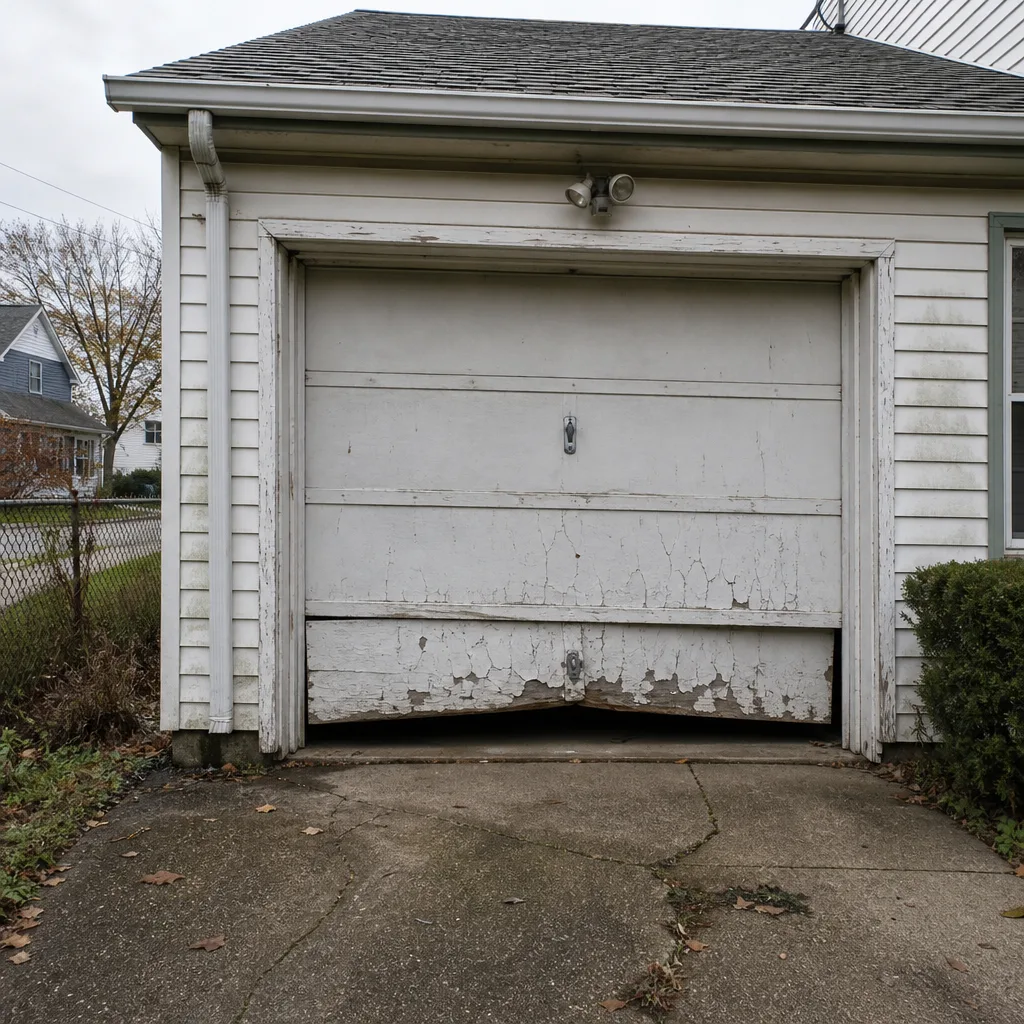 Before
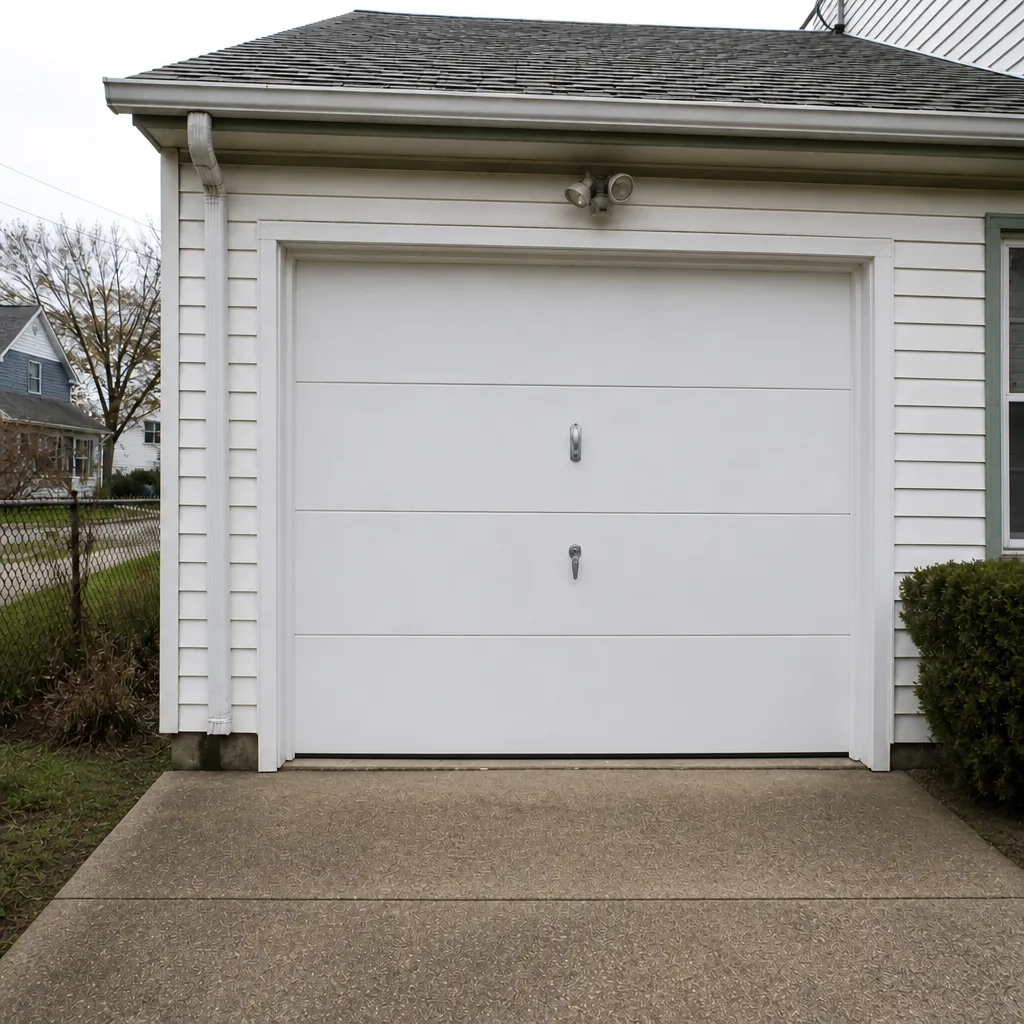 After
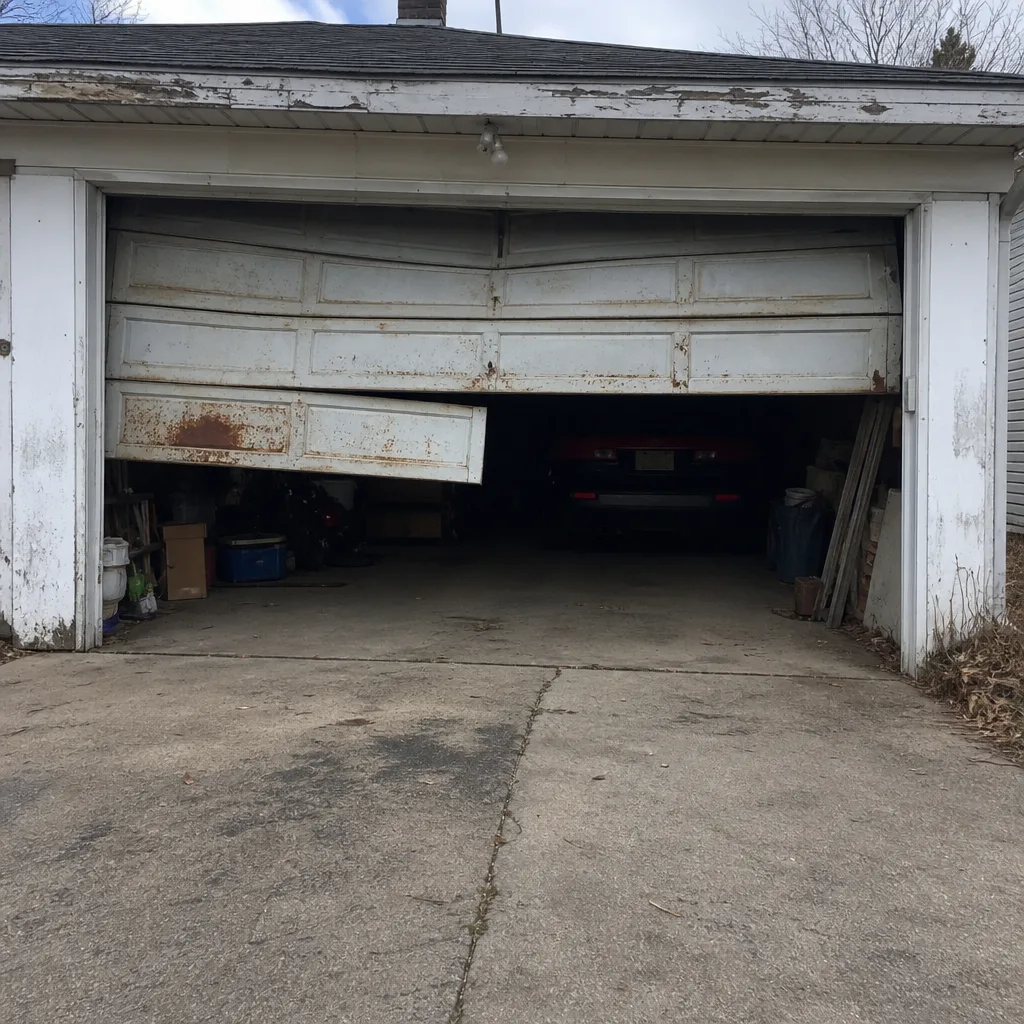 Before
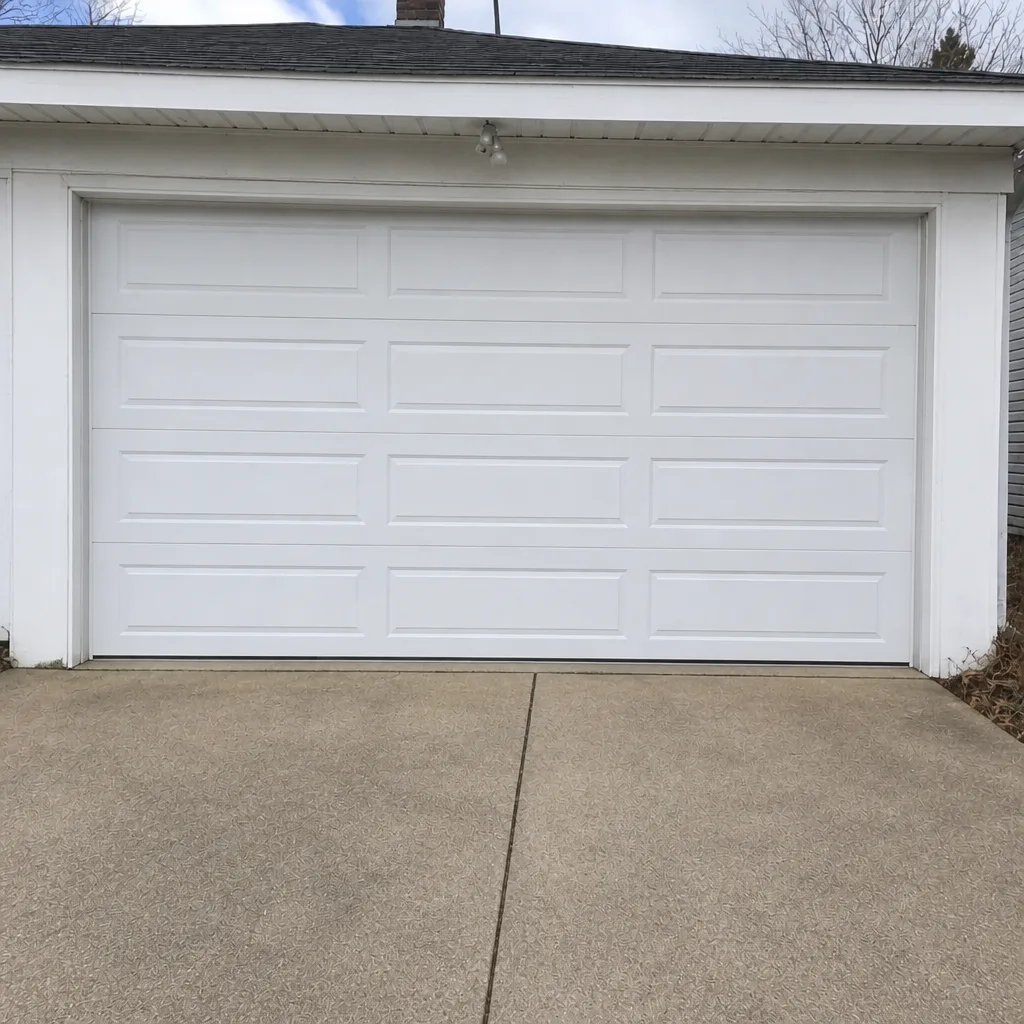 After
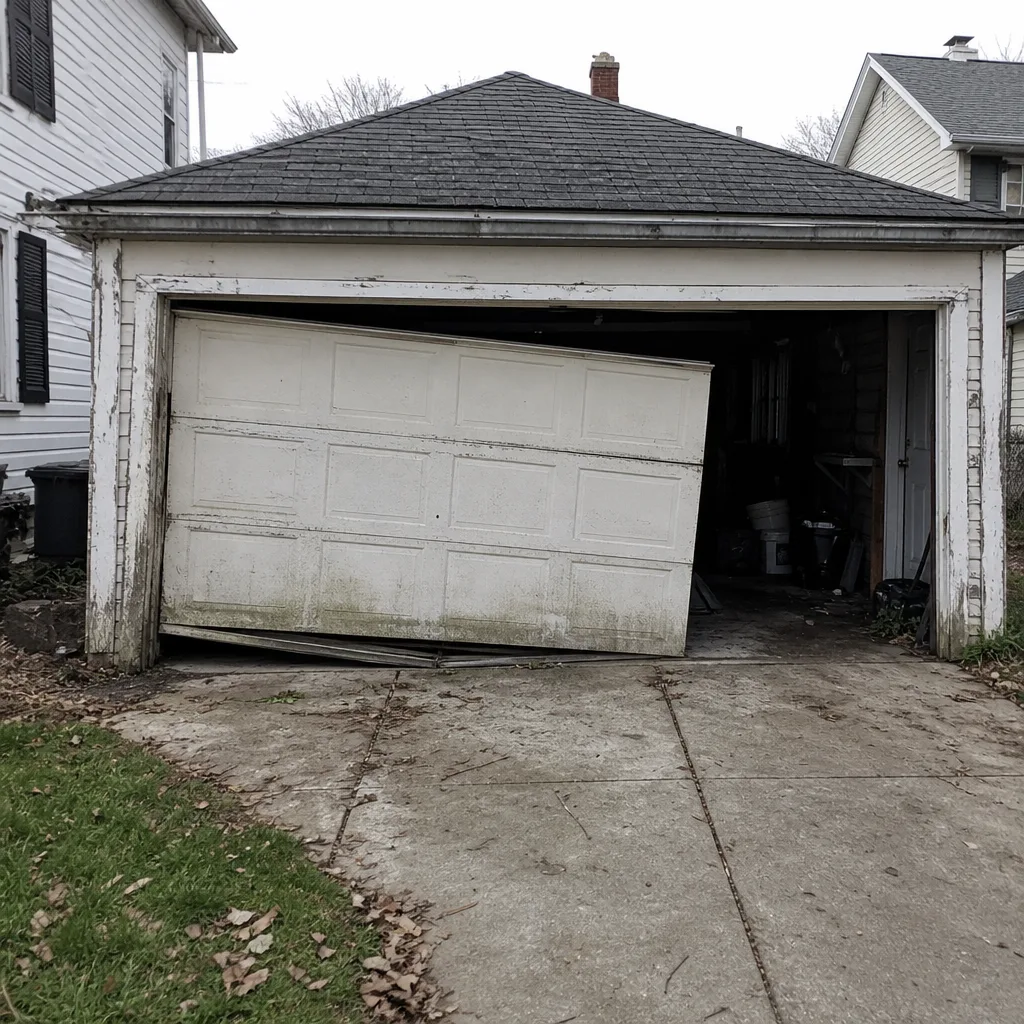 Before
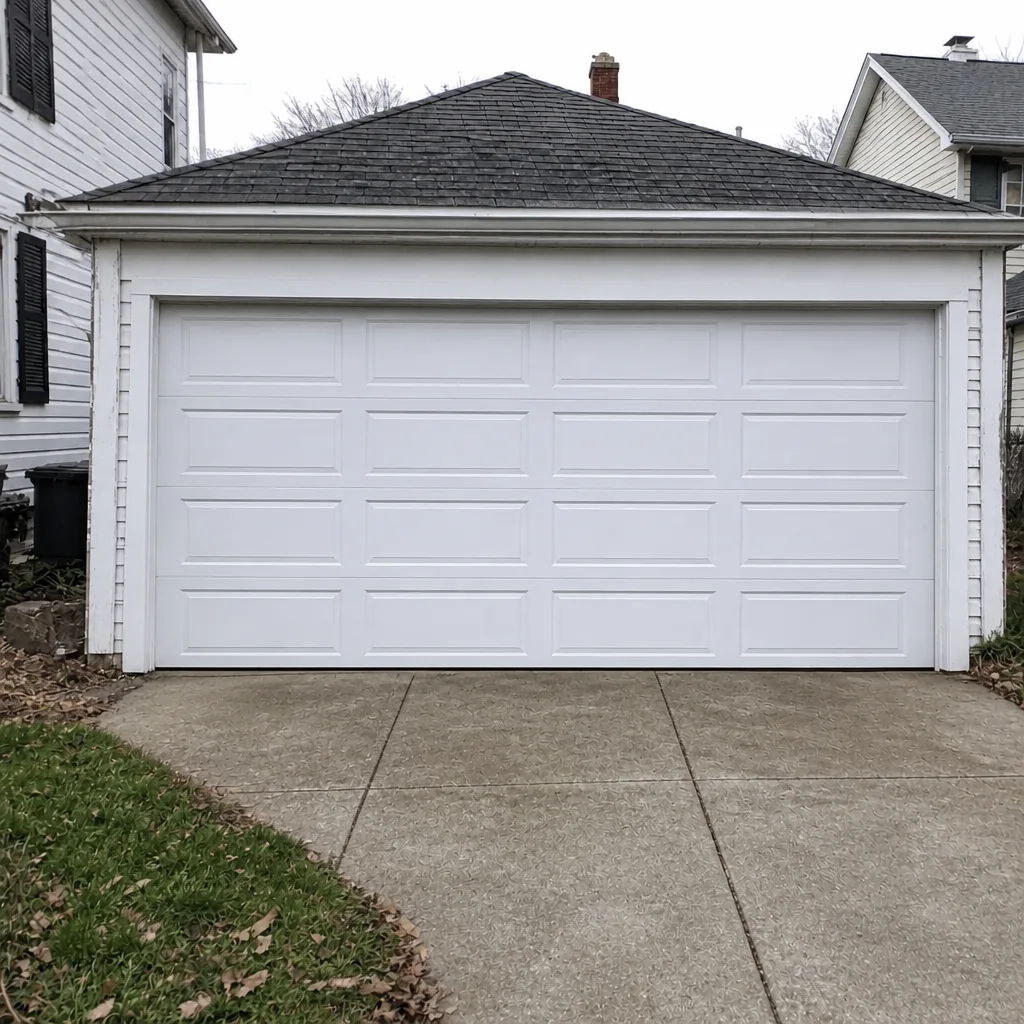 After
When to Call a Professional
Call a professional when the door is a replacement rather than a repair, when the opening itself is changing, when a new electrical circuit is needed for an opener, or when you’re not sure which category your job falls into. Call immediately if a spring has snapped, a cable has come loose, or the door is stuck in a position that traps a car or leaves the home open. Those are safety and security problems, not paperwork problems, and they can’t wait for a permit review. We can also help you sort out whether a replacement needs city sign-off before you commit to a schedule. Garage Door Repair Euclid offers free estimates in Euclid, and estimates are free. Call (833) 726-1387.
Frequently Asked Questions
Yes, in most cases a full garage door replacement in Euclid requires a permit from the City of Euclid building department. Replacing a door is a building component replacement, and the permit application covers the door specification and allows an inspection to confirm the installation is safe and code-compliant. Call (833) 726-1387 and we’ll walk you through whether your specific project needs a permit before you commit to anything.
Replacing an opener in the same location and on the same existing circuit is generally not a permit-required job because it’s a repair, not an electrical or structural change. Adding a new dedicated circuit for the opener does require a permit because that’s electrical work. For a LiftMaster, Chamberlain or Genie unit in the same spot, the answer is usually no permit, but the safety features still get tested. Call (833) 726-1387 if you’re unsure.
An inspector checks structural attachment, wind-load specification, the opener’s safety reversing features, clearances and operation, and the fire separation between an attached garage and the living space. They’re verifying the installed door matches what’s on the permit and that the safety features function correctly. Call (833) 726-1387 and we’ll tell you exactly what your project’s inspection will cover.
Unpermitted work can surface during a title search or a buyer’s home inspection, and it can delay a closing or give the buyer leverage to renegotiate. You may be able to apply for a retroactive permit, but it usually costs more and involves a full inspection. The safest path is to pull the permit before the job starts. Call (833) 726-1387 and we’ll help you sort out the paperwork side.
Yes. Ohio Residential Code treats the wall and door between an attached garage and the living space as a fire separation, and the pass-through door carries a fire rating as part of that assembly. Most homeowners have never heard of this, but it matters if you replace that door or if an inspector reviews the separation during a project. Ask the Euclid building department what your specific home requires. Call (833) 726-1387 if you need a door replaced and want to get it right.
The timeline depends on the building department’s workload and the scope of the project, but a standard replacement usually moves faster than a structural or new-construction permit. Plan for a few business days to a couple of weeks, and ask the clerk for a realistic window when you call. Call (833) 726-1387 and we’ll help you plan the installation around the permit timeline.
The Bottom Line
A garage door replacement is a permitted building project in Euclid, not a simple swap, and the paperwork is worth more than it looks. Pull the permit from the City of Euclid building department before the work starts, keep the approved permit and inspection sign-off with your home records, and don’t overlook the fire-rated door between an attached garage and the living space. If you’re repairing rather than replacing, most jobs don’t need a permit, but high-tension spring and cable work still belongs in a professional’s hands. The cost of getting the permit right is small. The cost of skipping it can follow the house for years.
Written by the team at Garage Door Repair Euclid.